



Antique Bronze Tray
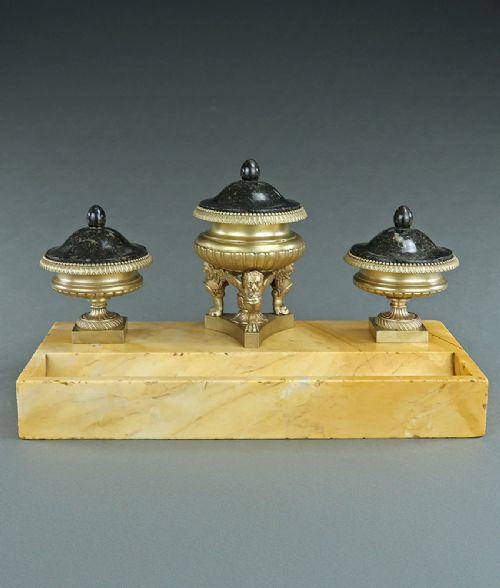
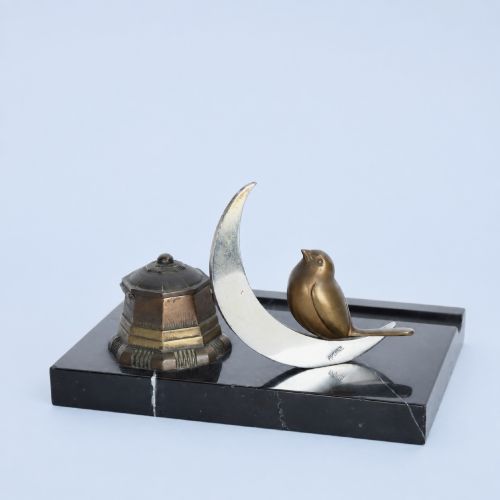
An antique bronze tray brings weight and character to a desk or surface, holding inkwells, pens, and small dishes with a quiet presence.
Antique Bronze Tray
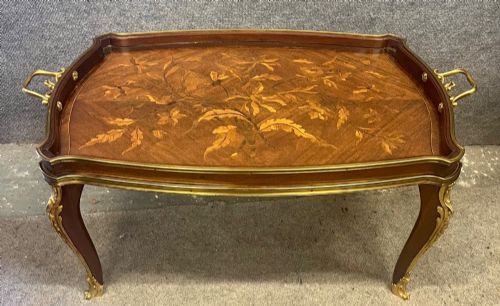
When searching for an antique bronze tray, collectors encounter a varied group of objects ranging from small desk tidies and pen trays to large decorative centrepieces, platters, and vide poche dishes. These metal pieces often serve dual purposes as functional desk accessories and decorative accents for a room.
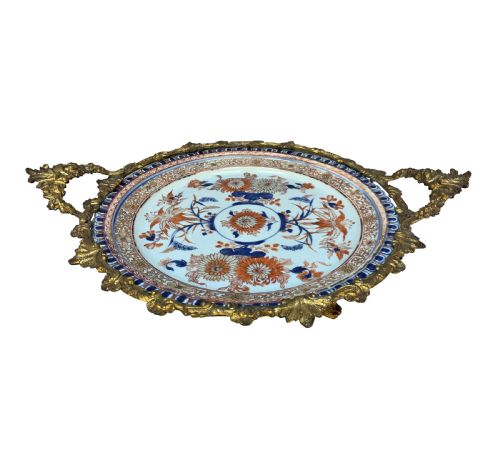
The selections span several periods, with 19th-century French ormolu examples and Victorian pieces appearing frequently alongside Art Nouveau and Art Deco designs. Many items combine bronze with materials like marble, onyx, porcelain, and enamel to create striking desk sets and display dishes.
Origins stretch from English workshops to French makers and Austrian foundries, incorporating decorative styles from Neoclassical and Louis XVI to Japanese Meiji period influences. Buyers find everything from simple cast bronze dishes to elaborate mounted platters set with semi-precious stones.
How they were made
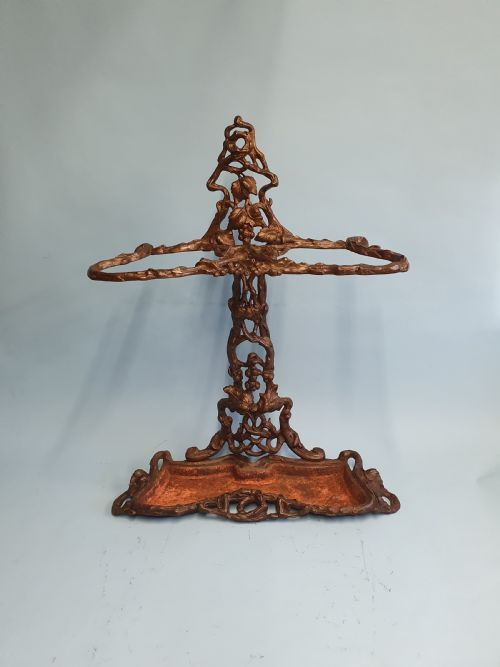
Makers utilised casting techniques to shape the primary bronze and brass structures, often finishing surfaces through cold painting, gilding, or patination to achieve depth of colour. Ormolu mounts and gilt bronze details required meticulous metalwork, while cast iron versions employed industrial foundry methods common in the Victorian era.
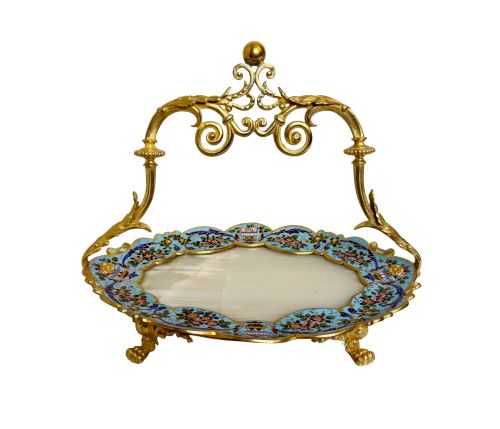
Many items incorporate decorative inlays and surface treatments such as champlevé enamel, cloisonné, and mixed-metal overlays. Skilled artisans combined these metals with polished stone bases like onyx and marble, or integrated porcelain plates and glass inserts into the metal framework.
Desk tidies occasionally feature sculptural mice nibbling on ears of corn or playful kittens batting at ink wells.
What varies in quality
The distinction between standard production items and finer examples rests on the crispness of the cast and the depth of the chasing work on the metal surface. Superior pieces exhibit hand-finished details in feathers, foliage, and figures that remain sharp and well-defined.
Quality also shows in the integration of secondary materials, where finely fitted enamel work, unblemished marble or onyx plinths, and robust mounting distinguish masterwork desk sets from simpler utilitarian wares.
A. Kenrick & Sons·Falkirk Foundry·Asprey Of London·A. Marionnet
The Antique Bronze Tray Glossary
- Ormolu
- Gilt bronze, where a finely ground high-carat gold mercury amalgam is applied to a bronze base. This French technique produces a rich golden finish seen on 19th-century mounts and decorative hardware.
- Champlevé
- An enamelling technique where troughs or cells are hollowed out of the metal surface and filled with vitreous enamel powder before firing. It creates colourful patterned borders on bronze trays and inkstands.
- Vide poche
- French for empty pocket, this small dish or tray sits in a hallway or on a desk to hold coins, keys, or pocket items. They appear frequently in gilt bronze from the late 19th century.
- Patinated bronze
- Metal treated with chemical solutions to create a deliberate surface colouration, ranging from dark brown to green tones. It highlights the modelled details of figures and animals.
- Desk tidy
- A compartmentalised tray or stand designed to hold pens, inkwells, and stamps in an orderly fashion. These items often feature sculptural animal or figural bronze elements.
Antique Bronze Tray: Frequently Asked Questions
How do I clean an antique bronze tray?
Cleaning requires only a soft, dry cloth to remove dust from the crevices of the cast metal. Avoid harsh commercial metal polishes that strip away the aged patination.
If the piece incorporates marble or onyx sections, wipe those areas gently with a damp cloth and dry immediately to protect the stone surface.
What is the difference between ormolu and bronze?
Bronze is an alloy of copper and tin, while ormolu specifically refers to bronze that has been gilded with a gold-mercury mixture. This gives ormolu its bright golden appearance.
Standard bronze relies on its natural patination or applied chemical finishes for colour, whereas ormolu maintains a metallic gold lustre.
Where were these trays placed historically?
These pieces found homes on large partners' desks, library tables, and dressing furniture in fine houses. They held writing equipment or served as display dishes.
In public rooms, larger centrepieces rested on central tables to hold visiting cards or decorative items, reflecting the formal interior styles of the period.