


Antique British Horology
Antique British horology encompasses timepieces marking centuries of domestic and railway timekeeping.
Antique British Horology
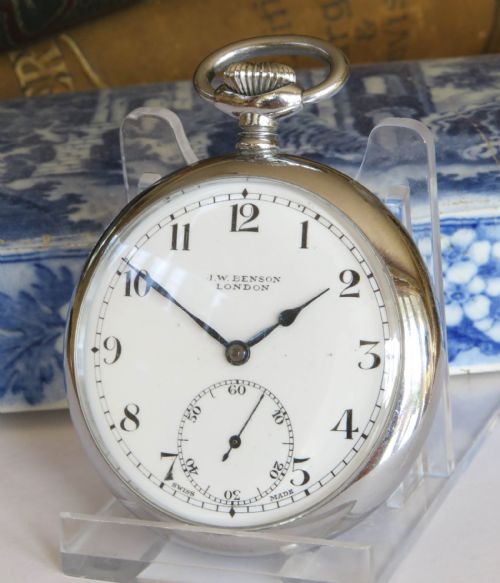
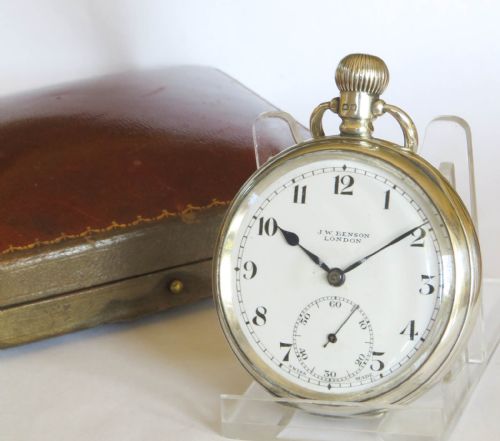
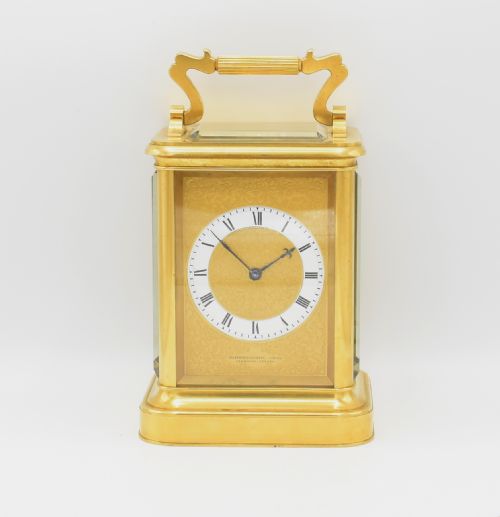
When buyers search for antique british horology, they encounter a range of timepieces including pocket watches, wall clocks, and mantel clocks originating from the nineteenth and twentieth centuries. These objects reflect domestic use, railway operation, and fine craftsmanship.
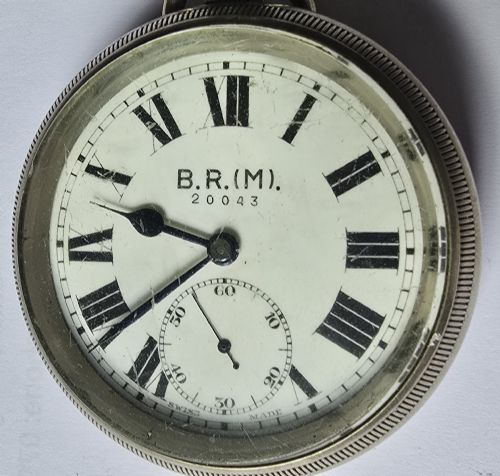
The pieces most frequently met on this page span the Victorian era through the mid-twentieth century, featuring utilitarian railway timepieces alongside domestic models in mahogany and metal. Such items demonstrate the practical history of British timekeeping across various social settings.
How these timepieces were constructed
Constructed using traditional materials, these timepieces incorporate brass movements, glass dials, and metal cases suited to daily utility or formal display. Woodwork ranges from Cuban mahogany to simpler housings.
Decorative elements involve enamel dials and pewter mounts, while specific railway and military issues prioritise robust metal construction and clear numbering for functional reliability.
One listed signal box tool clock carries the charming nickname pork pie due to its distinctive stout case profile.
What determines quality in these objects
Quality varies according to the precision of the movement, such as fusee mechanisms, and the fineness of the case materials like solid mahogany or precious metals. Maker reputation also distinguishes standard utilitarian items from specialised productions.
The integrity of the original components, dial legibility, and secondary details like enamel work or subsidiary markings separate straightforward production pieces from finer examples.
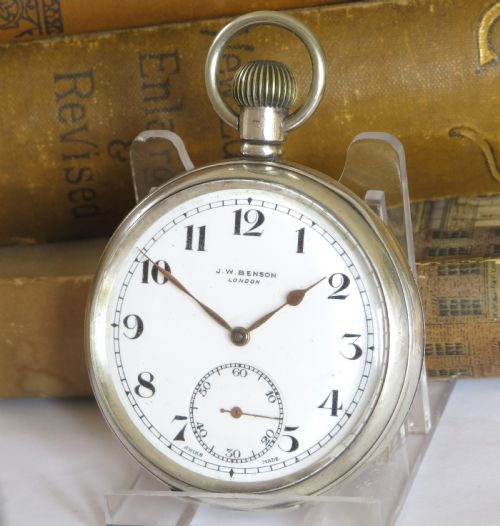
J W Benson·Goldsmiths Alliance Ltd·John Walker·Liberty And Co·Fatton Eleve De Breguet
The Antique British Horology Glossary
- Fusee
- A conical pulley used on the mainspring of a clock or watch to maintain even power as the spring unwinds. This mechanism improves timekeeping accuracy across the power reserve.
- Enamel
- A glassy substance fused to a metal dial surface by firing. It provides a durable, smooth face with painted numerals.
- Quarter striking
- A clock mechanism that chimes every fifteen minutes in addition to sounding the full hours. This complication requires extra gear trains within the movement.
- Pewter
- A malleable metal alloy historically used for decorative vessels and clock housings. It often appears in Arts and Crafts designs.
- Cartouche
- A framed panel on a dial or case bearing maker details or inscriptions. It highlights the origin of the piece.
Antique British Horology: Frequently Asked Questions
How do railway clocks differ from domestic clocks?
Railway clocks are built for extreme legibility and rugged durability to serve station masters and signal boxes.
Domestic clocks focus more on cabinet timbers and decorative dial work for the parlour or mantelpiece.
What is a fusee movement?
A fusee movement uses a conical drum to equalise the declining pull of the mainspring.
This traditional British system ensures consistent torque is delivered to the gear train for steady timekeeping.
How should I clean a mahogany clock case?
Clean wooden cases gently using a dry, soft cloth to remove dust without disturbing the polished finish.
Avoid liquid cleaners or abrasive polishes that can damage old wood surfaces and patination.
Can I wear an antique pocket watch daily?
Many vintage pocket watches remain functional for regular use if handled with care and wound properly.
They require gentle treatment and regular mechanical servicing to protect their historical gear trains.