

Antique Brass Table
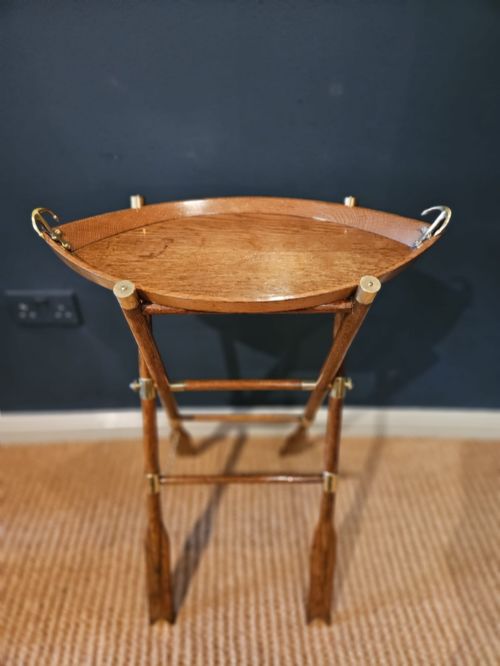
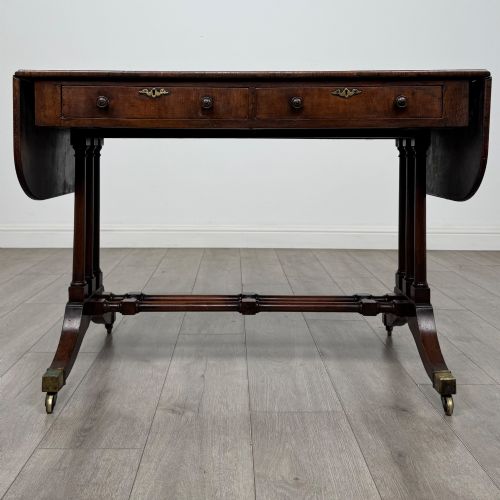
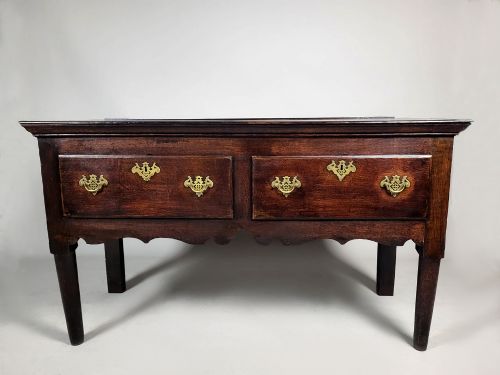
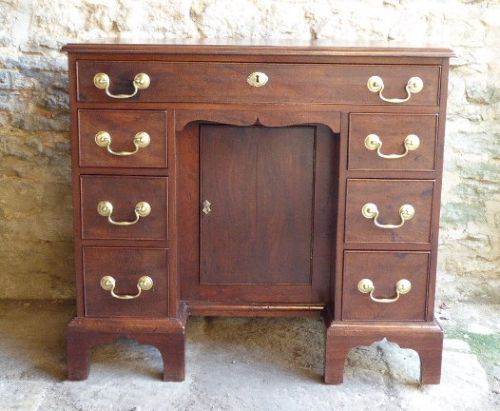
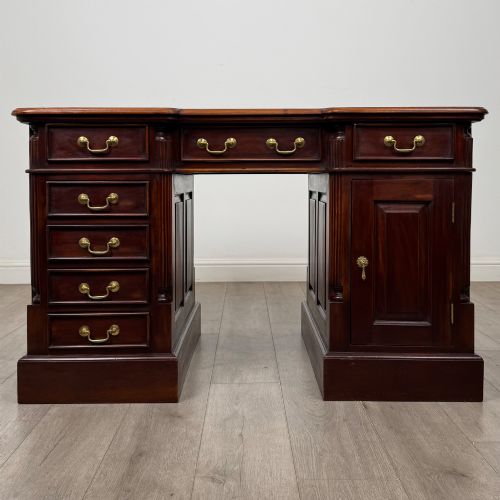
When you examine an antique brass table, you encounter pieces where gleaming metalwork meets rich timbers like mahogany or marble.
Antique Brass Table
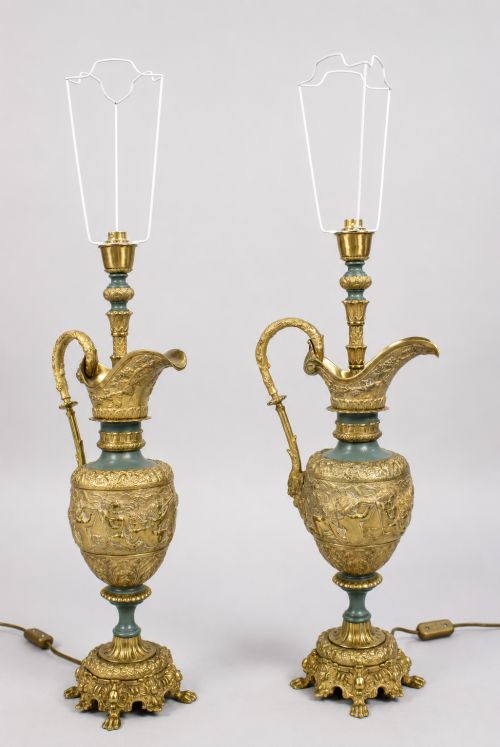
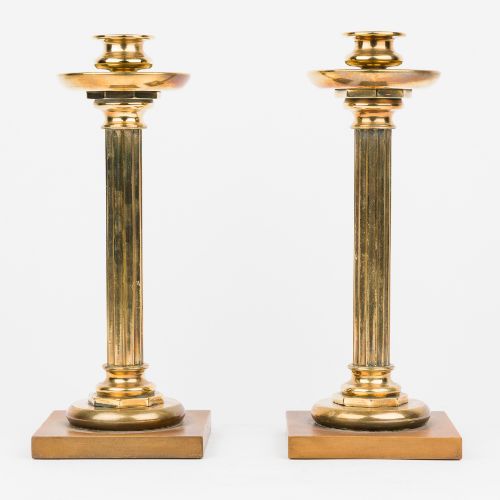
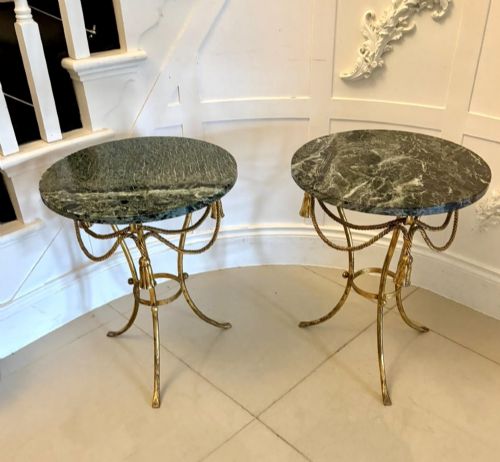
An antique brass table encompasses occasional furniture, coffee tables, and side pieces that integrate brass components, mounts, or entire surfaces into their construction.
The selections span from the Regency and Victorian eras through to the Edwardian period and the early twentieth century, showing a shift from structural brass inlay to decorative mounts.
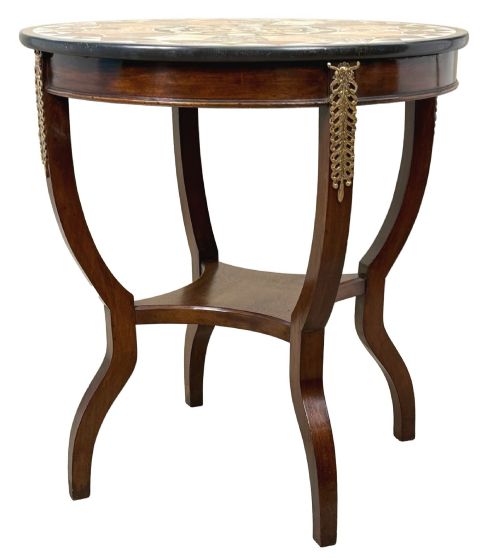
You will regularly encounter pieces featuring mahogany, rosewood, and oak accented with brass feet, castors, handles, or delicate stringing.
How They Were Made
Cabinetmakers utilised dense timbers like mahogany and rosewood as a foundation, incorporating cast brass, ormolu, or gilt bronze mounts fixed with precision.
Inlay techniques required craftsmen to channel timber surfaces meticulously to receive thin brass stringing or intricate brass scrollwork before polishing.
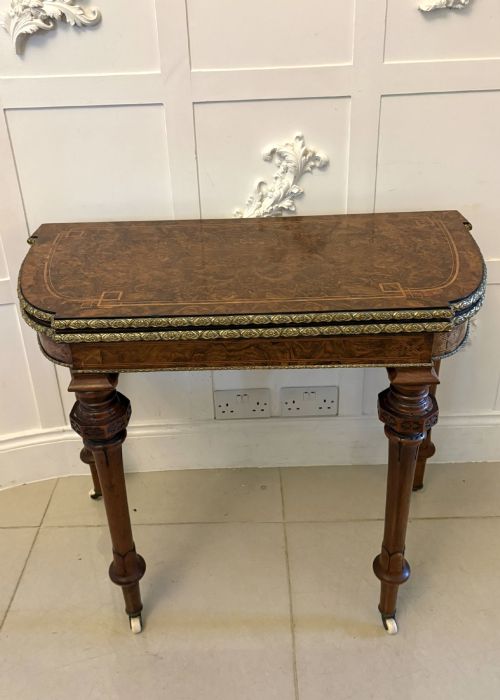
Some tables double as card and games surfaces, ready for an impromptu Victorian wager.
What Varies In Quality
The distinction rests in the crispness of the brass casting and the depth of the hand-chasing on mounts, alongside the selection of finely figured timber veneers.
Superior examples display integrated construction where brass inlays remain flush with the surrounding wood, whereas lesser items show gaps or superficial application.
George Bullock·Gillows of Lancaster·James Shoolbred·Faraday and Sons
The Antique Brass Table Glossary
- Ormolu
- Gilded bronze used widely for decorative mounts on furniture during the eighteenth and nineteenth centuries. This technique involved applying a mercury and gold amalgam to bronze before heating.
- Castor
- A small wheel fitted to furniture legs to enable easy movement across floors. These devices often incorporated brass housings and wheels.
- Stringing
- A narrow strip of contrasting wood or metal inlaid into the surface of a piece of furniture. It created delicate linear borders around panels and drawer fronts.
- Console Table
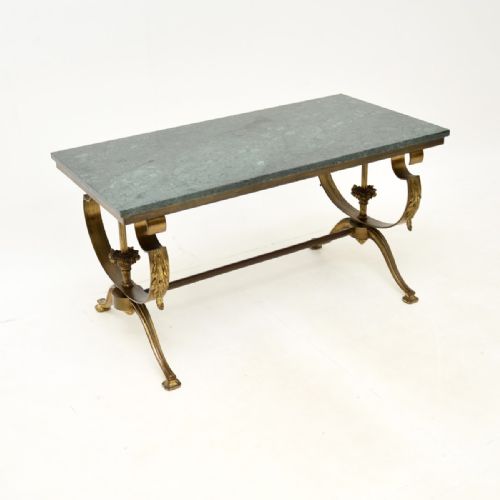
- A side table designed to stand against a wall, frequently secured with brackets. These forms often featured elaborate brass mounts or marble tops.
Antique Brass Table: Frequently Asked Questions
How do I clean antique brass?
Clean brass components gently using a soft, dry cloth to remove accumulated dust without disturbing the aged patina.
Avoid abrasive metal polishes that strip historical surface character and risk damaging adjacent wood or marble.
Where were these tables used?
These tables served primarily in formal drawing rooms, libraries, and parlours as display surfaces or occasional writing desks.
Their placement depended on the specific form, ranging from central console positions to bedside settings.
How do I identify a Regency table?
Regency tables typically display classical architectural proportions, dark mahogany or rosewood timbers, and restrained brass inlay.
Look for geometric brass stringing and turned pedestal bases featuring brass paw castors.
Are marble top tables original?
Many nineteenth-century tables, particularly those of French origin, were constructed specifically to carry heavy marble slabs.
Examine the supporting framework underneath to confirm the timber housing aligns with the weight of the stone.