
Brass Wine Table
When you search for a brass wine table, you are looking at small, portable stands designed for drinks and leisure across the Georgian, Victorian, and Edwardian periods.
Brass Wine Table
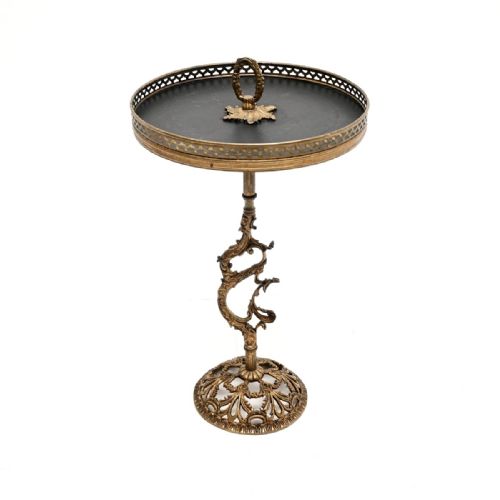
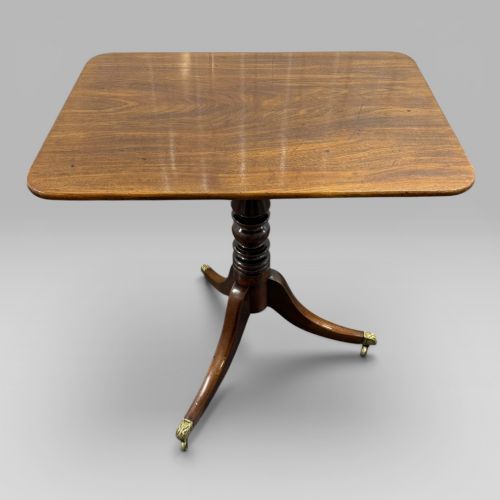
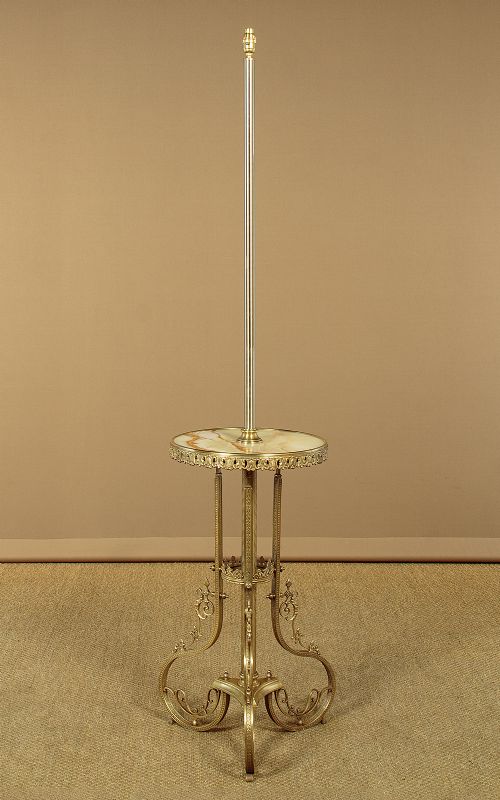
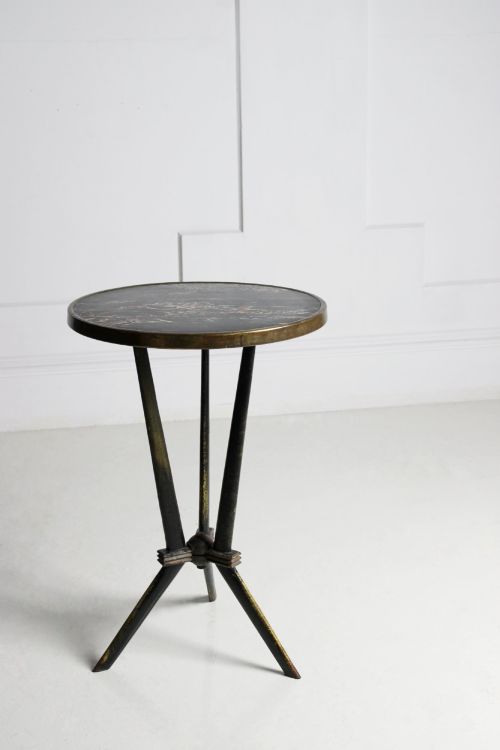
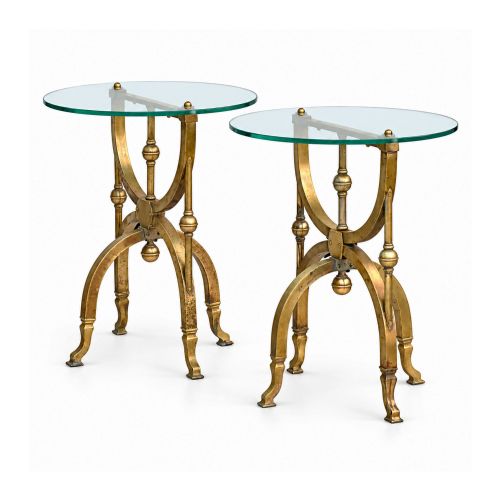
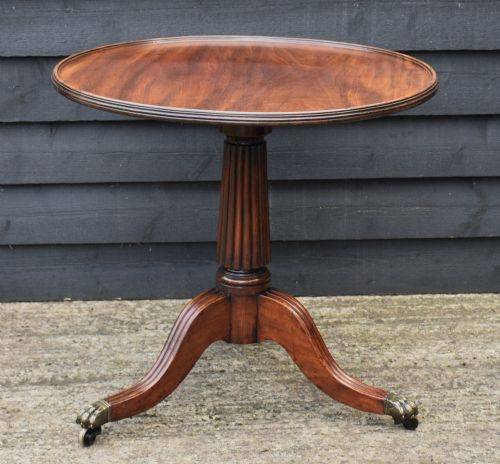
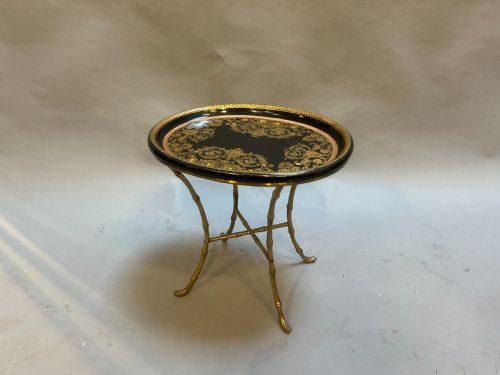
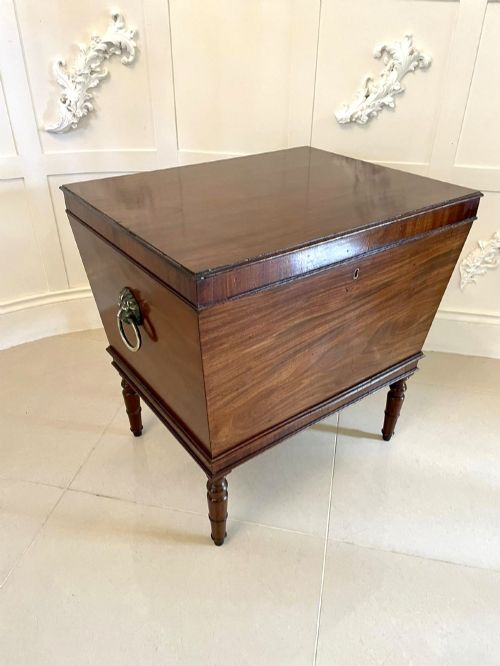
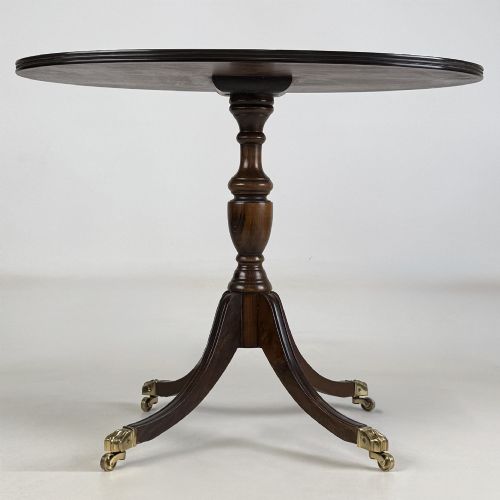
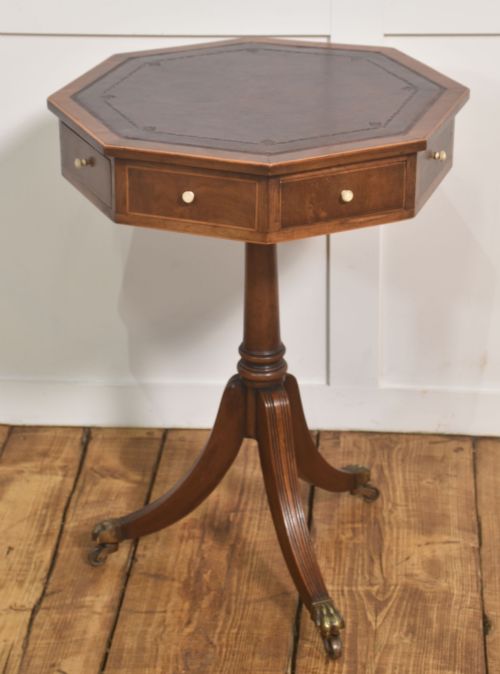
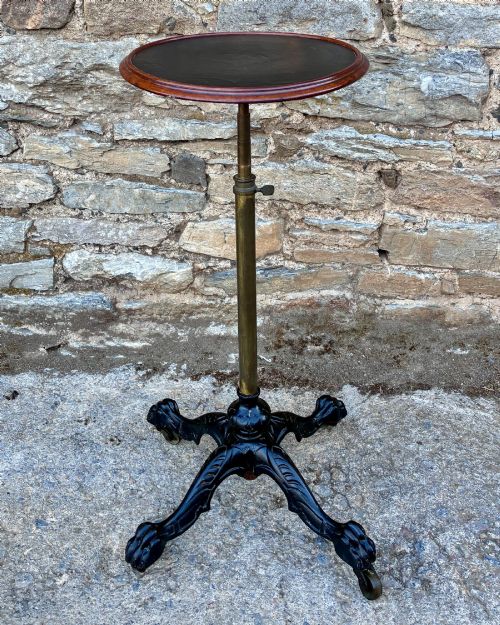
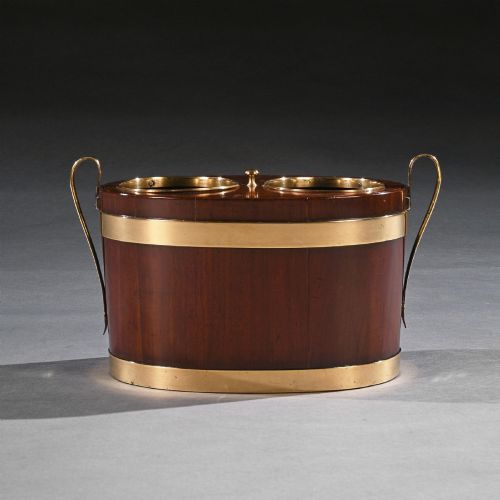
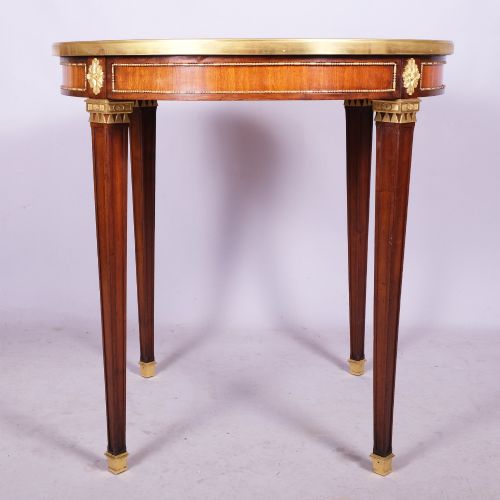
A brass wine table functions as a compact surface for serving drinks, holding lamps, or displaying small objects. The pieces appearing under this search phrase include occasional tables, tripod tea tables, gueridons, and dedicated wine coolers or cellarettes.
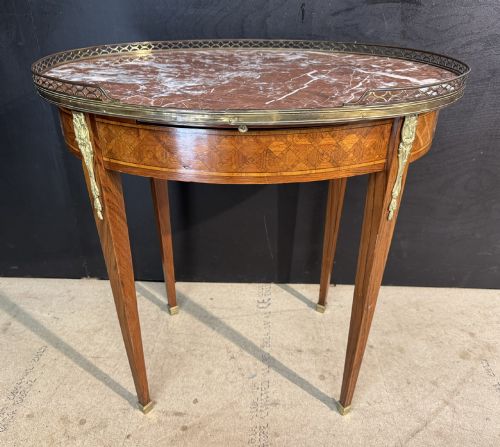
The versions most commonly met on this page span the nineteenth and early twentieth centuries, drawing on Regency, French Empire, and Louis styles. They frequently combine timber tops with metal galleries, mounts, or columns.
Makers and designers from various European centres produced these forms, ranging from French workshops to English cabinet makers. Their scales remain intimate, designed to sit beside seating or within reception rooms.
How they were made
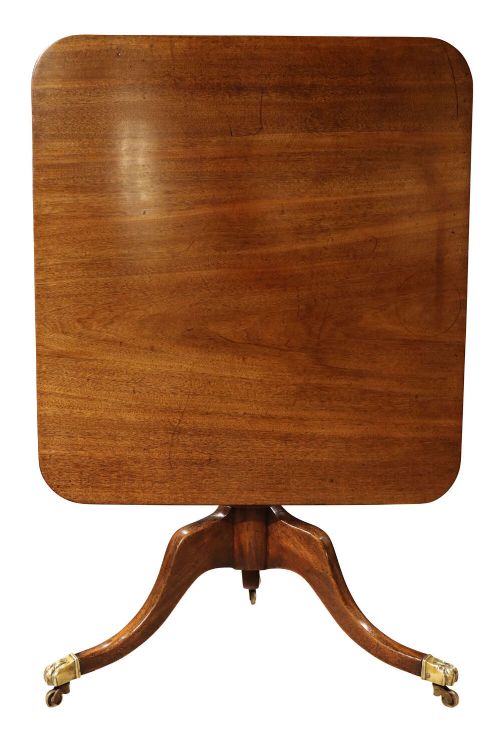
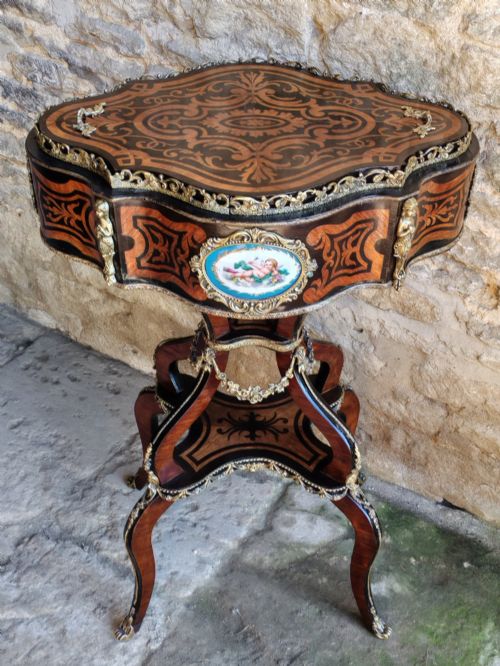
Cabinet makers utilised dense hardwoods such as mahogany, rosewood, walnut, and satinwood for the primary structures and table tops. These timbers were frequently polished, inlaid with brass stringing, or paired with white marble, onyx, or specimen stone inserts.
Cast and chased brass provided structural columns, paw feet, decorative mounts, and raised galleries designed to prevent glassware from sliding off. Ormolu and engraved copper accents further enriched the metal components of French and continental examples.
Several folding Benares brass tables crossed paths with nineteenth-century European drawing rooms, bringing nomadic portability straight to the tea tray.
What varies in quality
The distinction between ordinary and superior pieces rests upon the precision of the cabinet work and the weight of the metal cast. Heavier, finely chased brass mounts and crisp brass stringing indicate a higher grade of workshop production.
Selection of timber grain and the integrity of structural mechanisms, such as tilt-top actions or adjustable columns, define the upper tier of surviving examples. Secondary woods and simpler turned brass columns mark out more utilitarian domestic pieces.
James Shoolbred·A Hugnet Paris·Thonet of Barcelona
The Brass Wine Table Glossary
- Guéridon
- A small French occasional table, often round and supported by a central pillar or tripod base. These frequently feature marble tops and brass galleries.
- Wine Cooler
- A container or fitted stand designed to hold bottles and ice during dining. Many examples incorporate brass bands or linings to protect the wood.
- Tilt-Top
- A table mechanism allowing the surface to pivot to a vertical position when not in use. This saved space in historic domestic interiors.
- Ormolu
- Gilded bronze used for decorative mounts and accents on furniture. It adds bright metallic contrast to dark woods like mahogany and rosewood.
- Brass Gallery
- A raised perforated or rail border fitted around the edge of a table top. Its primary function was keeping glassware secure.
Brass Wine Table: Frequently Asked Questions
What is a brass wine table used for?
These tables served as portable surfaces for holding glasses, decanters, and candles within domestic reception rooms. Their compact size allowed servants to move them easily beside seating.
In modern rooms, they function effectively as lamp tables or small side stands. Their raised metal galleries continue to provide practical security for drinks and glassware.
How do I date a brass wine table?
Dating relies on identifying the underlying timber, prevailing furniture styles, and manufacturing techniques. Regency and Georgian pieces often feature simpler mahogany or rosewood tripod frames, while later Victorian and Edwardian examples introduce heavier cast brass columns and marble inserts.
Cabinet construction methods and secondary timbers hidden underneath offer further clues to the decade of manufacture. Comparing the piece against documented examples helps narrow down the period.
How do I care for a wood and brass table?
Preserving the finish requires regular dusting with a soft, dry cloth and avoiding harsh chemical polishes. Keeping the furniture away from direct heat sources prevents the timber from splitting.
Unlacquered brass components will develop a natural patina over time, which can be gently maintained with appropriate metal care. Care must be taken during cleaning to protect surrounding wood veneers.