



Brass Pedestal Coffee Table
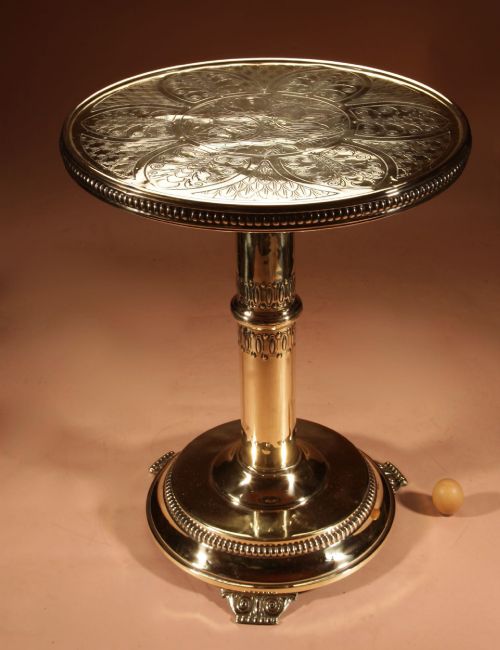
These brass pedestal coffee table selections combine metal framing with mahogany, marble, and rosewood tops for a striking centrepiece in any room.
Brass Pedestal Coffee Table
A brass pedestal coffee table brings together warm metal supports and polished timber or stone surfaces, forming a distinctive focal point in a seating area. When you search for this phrase, you encounter forms that span several historic periods and revival movements, reflecting changing domestic tastes over the last two centuries.
The most common examples on this page date from the nineteenth and twentieth centuries, incorporating styles such as Regency, Sheraton Revival, and Dutch Art Nouveau. Alongside traditional low tables, you will find versatile side tables and plant stands adapted for coffee use, featuring circular or oval tops supported by central columns.
Materials and construction
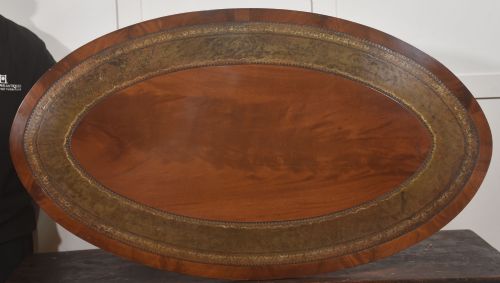
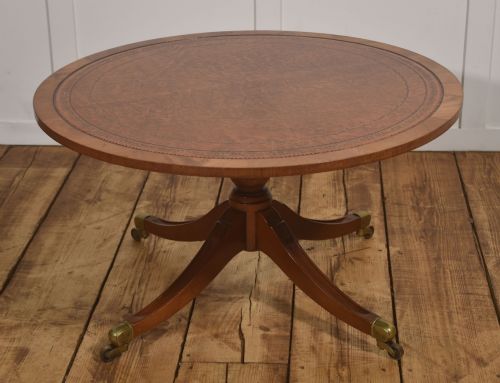
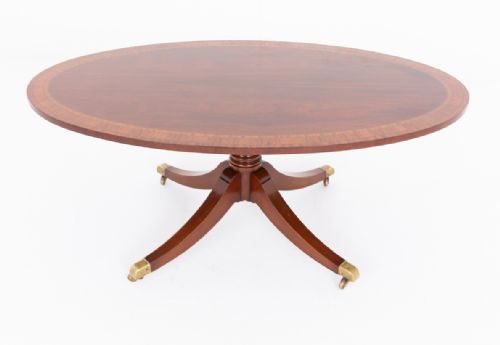
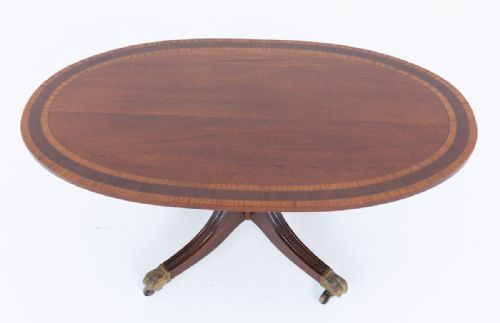
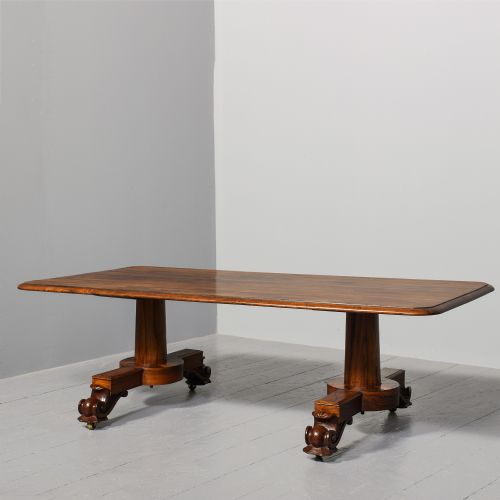
Construction relies heavily on solid timber frameworks, predominantly mahogany and rosewood, often enhanced by satinwood inlay, leather insert panels, or giltwood details. Craftsmen shaped these woods into smooth oval and circular surfaces, supported by robust central brass pedestals or combined brass and marble structures.
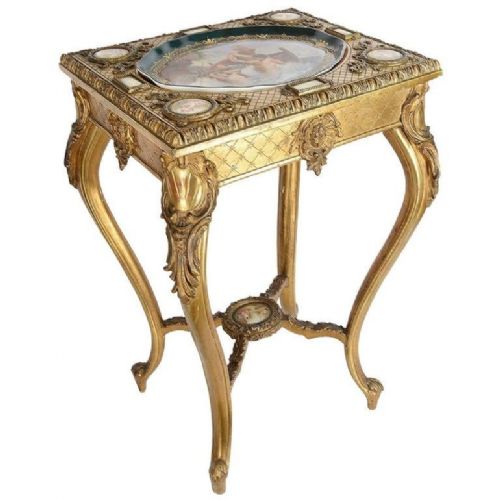
Surface ornamentation ranges from subtle tooled leather tops to intricate porcelain mounts and delicate inlay work. The integration of durable brass components with fine cabinet timbers demonstrates traditional joinery and metalworking techniques characteristic of nineteenth- and twentieth-century workshops.
Brass Pedestal Coffee Table Retail Price Guide 2026
Typical asking prices for brass pedestal coffee table among the pieces listed under this phrase on Sellingantiques today, from the lower quarter to the upper quarter. They describe what is for sale here now, not the wider market.
Some versatile nineteenth-century stands double happily as plant pedestals when you fancy giving your ferns a slightly more elevated conversation.
Assessing quality and craftsmanship
Quality in these tables depends on the selection of timber figures, such as flame mahogany, and the precision of decorative inlays and leather tooling. Superior examples display seamless integration between the brass pedestal and the wooden or marble top, maintaining structural balance without excessive bulk.
Finer pieces also exhibit careful finishing in the cast brass elements and refined proportions that respect historical revival styles. Lesser examples rely on simpler construction methods and plainer timber, lacking the distinct detailing found in Regency and Amsterdam School influenced works.
The Brass Pedestal Coffee Table Glossary
- Pedestal
- A central support column holding up the table top. This design allows for greater legroom around the base compared to standard four-legged tables.
- Flame mahogany
- A distinctive wood veneer showing a flickering, flame-like grain pattern. Cabinet makers prize this cut for its decorative impact on table surfaces.
- Satinwood inlay
- Contrasting light-coloured wood inserted into a darker timber surface to create geometric or floral patterns. This decorative technique defines Sheraton Revival pieces.
- Amsterdam School
- An early twentieth-century architectural and design movement known for expressive forms and rich material combinations. Pieces in this style often mix metals like brass with stone.
Brass Pedestal Coffee Table: Frequently Asked Questions
How do I clean a brass pedestal coffee table?
Dust timber surfaces regularly with a soft cloth and avoid harsh chemical sprays that might damage polished finishes.
Clean brass components gently using a dedicated metal polish, taking care to keep the cleaning agents away from surrounding wood, leather, or marble.
Are these tables suitable for everyday use?
Most of these tables are built from robust hardwoods like mahogany and rosewood, making them durable enough for daily living rooms.
Protection from excessive moisture and direct heat is recommended, particularly for pieces featuring leather inserts or delicate giltwood details.
How can I tell a Regency piece from a revival?
Original Regency items date from the early nineteenth century and exhibit specific structural proportions and cabinet-making techniques of that era.
Revival pieces, such as those from the Sheraton or Regency revival periods of the early twentieth century, replicate these historic styles using contemporary manufacturing methods.
What is the best way to style a brass table?
Pair the warm metallic tones of the pedestal with complementary interior accessories that echo the period of the piece, such as ceramics or glassware.
Ensure the table sits centrally within your seating arrangement to highlight both the central support column and the decorative top surface.