





Polished Brass Side Table
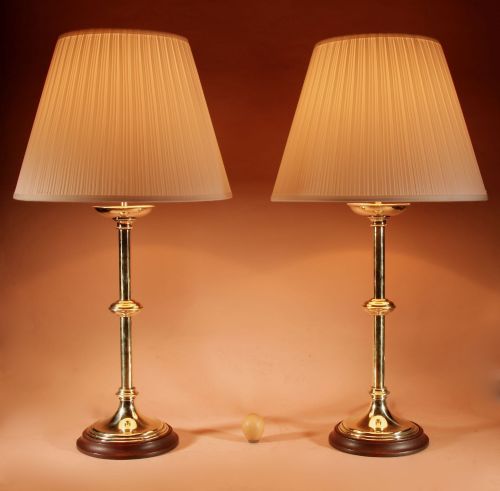
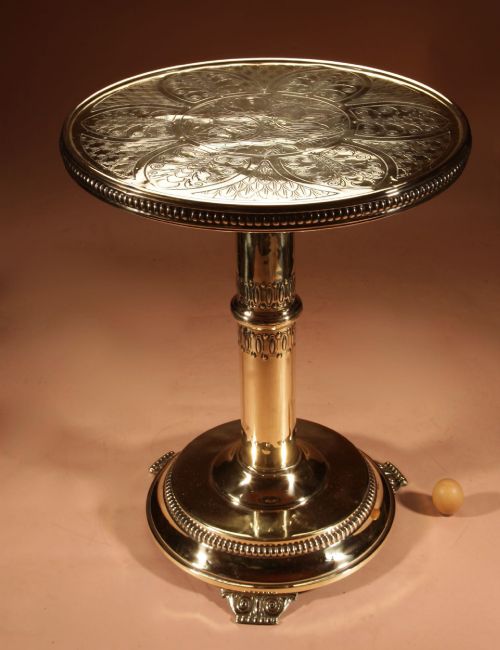
These polished brass side table pieces bring bright metalwork and solid timber into a room, offering both surface space and period character.
Polished Brass Side Table
When you search for a polished brass side table, you encounter a mix of small surfaces and plant stands that incorporate brass alongside timber, marble and glass. The pieces recorded here span from the mid-nineteenth century through the Edwardian era and into the nineteen-twenties.
The selection includes low tables and plant stands drawing on Dutch Art Nouveau, Amsterdam School style and Neoclassical Revival influences. These items function primarily as compact display surfaces or lamp bases rather than large dining furniture.
Victorian and Edwardian versions dominate the material record, often combining solid brass components with walnut, boxwood or marble tops. You will also find related forms such as console tables and occasional tables bearing brass mounts.
Materials and construction
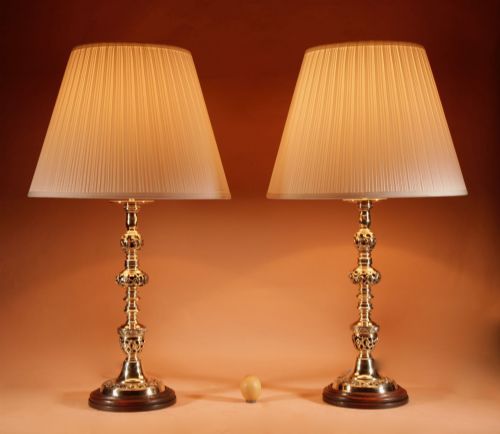
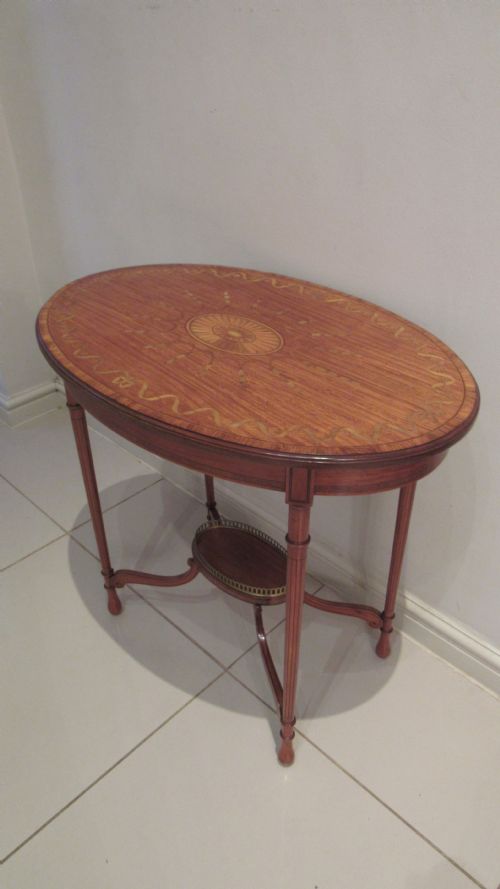
Makers built these pieces using solid brass castings, openwork ajour techniques and sheet brass mounts fitted to timber frames. Walnut, satinwood and other dense timbers form the structural bases and table tops.
Surface decoration relies on physical manipulation of the metal through twisting, casting and polishing rather than applied colour. Marble inserts and glass elements provide contrasting textures against the bright brass framework.
Polished Brass Side Table Retail Price Guide 2026
Typical asking prices for polished brass side table among the pieces listed under this phrase on Sellingantiques today, from the lower quarter to the upper quarter. They describe what is for sale here now, not the wider market.
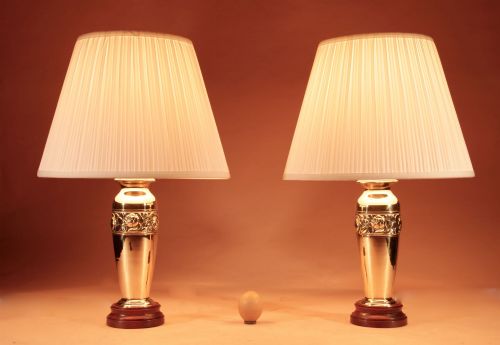
Minerva occasionally watches over proceedings alongside stags in early twentieth-century light fittings.
Distinctions in quality
The standard of a piece rests on the crispness of the brass casting and the weight of the metal used in its construction. Heavier gauge brass and deeply chased openwork indicate superior craftsmanship.
Integration between the metal mounts and the underlying timber or marble distinguishes finer examples. Superior pieces maintain tight joints and clean lines across mixed-material construction.
The Polished Brass Side Table Glossary
- Ajour
- Openwork metal decoration created by piercing or casting patterns through the brass. This technique lightens heavy metal forms and creates intricate silhouettes.
- Amsterdam School Style
- An architectural and design movement from the early twentieth century featuring expressive brickwork, organic forms and rich metal detailing. It heavily influences the coffee and plant stands from nineteen hundred.
- Campaign
- Portable furniture designed for military officers during the nineteenth century, typically featuring brass corners, inset handles and folding elements. These pieces prioritise robust construction and practicality.
- Neoclassical Revival
- A style drawing inspiration from classical Greek and Roman architecture, visible in the symmetry and decorative motifs of late nineteenth-century items.
- Barley Twist
- A woodworking or metalturning technique forming a helical spiral resembling twisted barley sugar. It appears frequently on nineteenth-century table lamp columns and supports.
Polished Brass Side Table: Frequently Asked Questions
How do I clean polished brass?
Clean polished brass surfaces using a soft cloth and a dedicated metal polish to maintain the reflective finish. Avoid harsh abrasives that can wear down the top layer of metal over time.
Regular dusting prevents the buildup of grime in recessed areas, particularly on pieces with openwork or cast details.
Are these tables sturdy enough for daily use?
Most pieces serve well as occasional surfaces for lamps, plants or small decorative objects rather than heavy loading. Their compact scale makes them ideal for corners or beside seating.
Check that the joints between the brass frame and the timber or marble top remain secure before placing heavy items on the surface.
How do I date a brass and timber table?
Dating relies on stylistic markers such as the flowing organic lines of Art Nouveau or the stricter symmetry of Victorian and Edwardian pieces. Material choices, including the presence of walnut or boxwood, also point toward specific decades.
Construction methods inside the joints offer further clues to the manufacturing period, distinguishing nineteenth-century work from early twentieth-century production.
Can I mix different periods in one room?
Mixing pieces from the Victorian era with early twentieth-century Art Deco or Amsterdam School items adds visual depth to an interior. The common thread of polished brass ties disparate styles together harmoniously.
Allow enough space around each piece so the reflective metalwork stands out against surrounding walls and furnishings.