
Antique Brass Chiming Clock
These antique brass chiming clock selections bring acoustic presence and mechanical timekeeping into a room, spanning grand longcase and compact mantel formats.
Antique Brass Chiming Clock
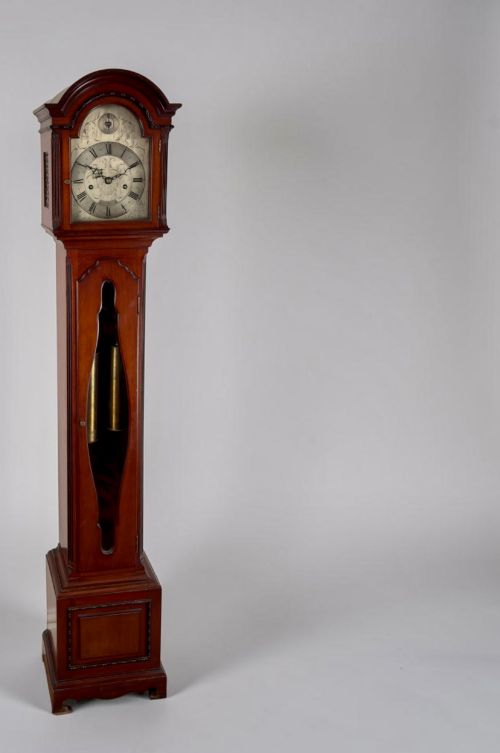
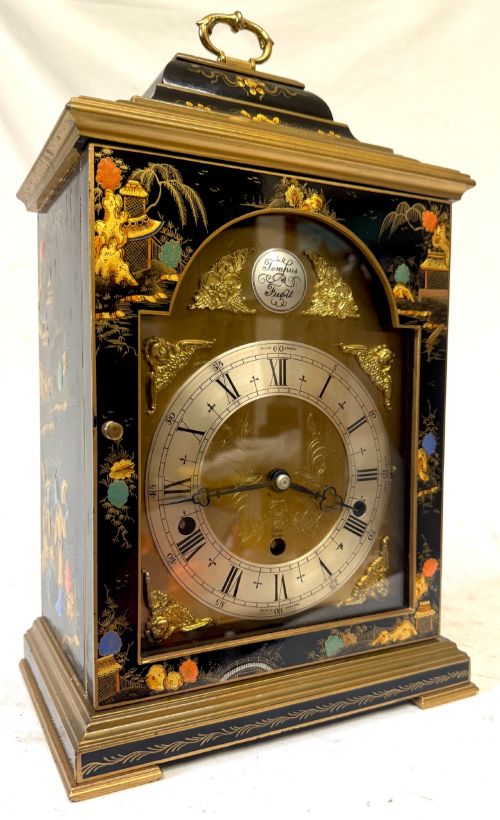
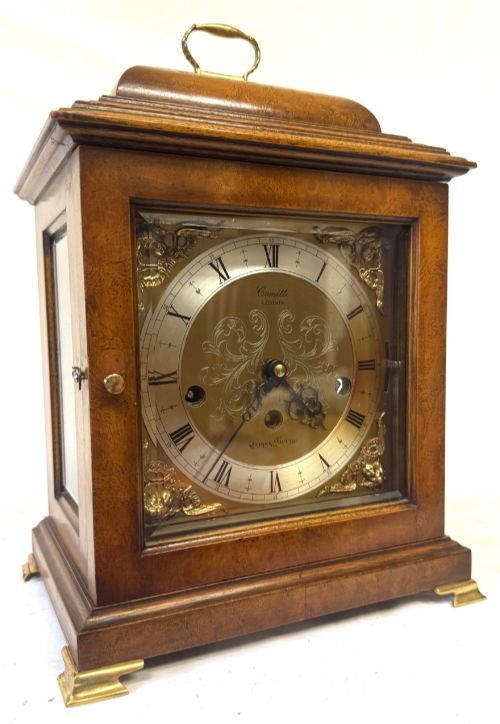
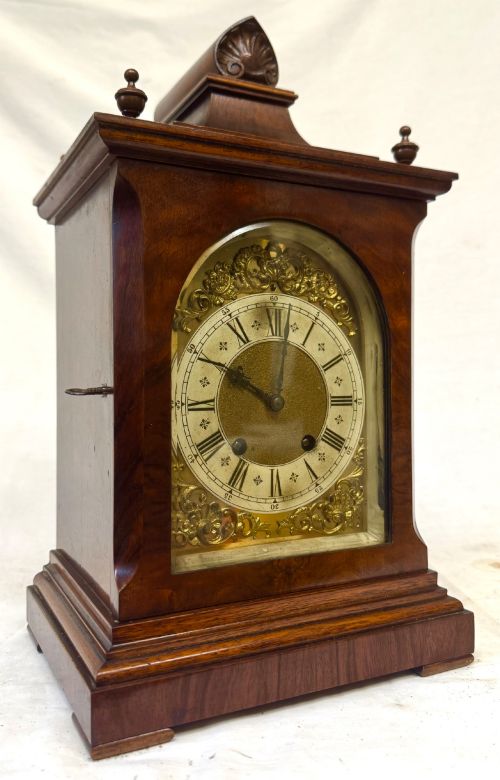
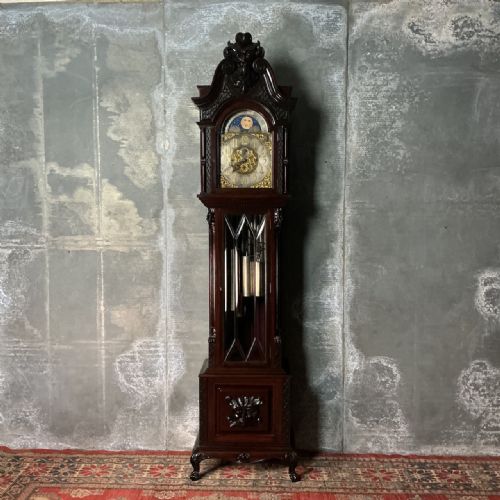
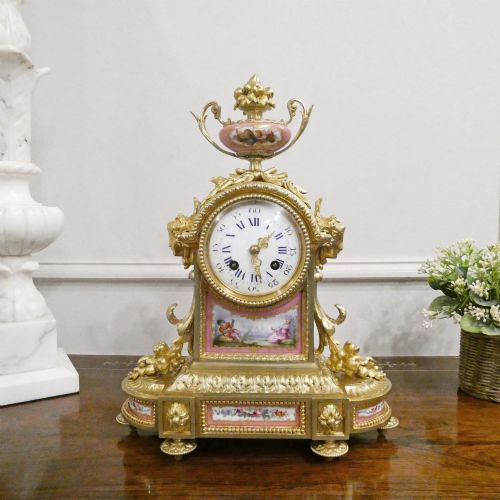
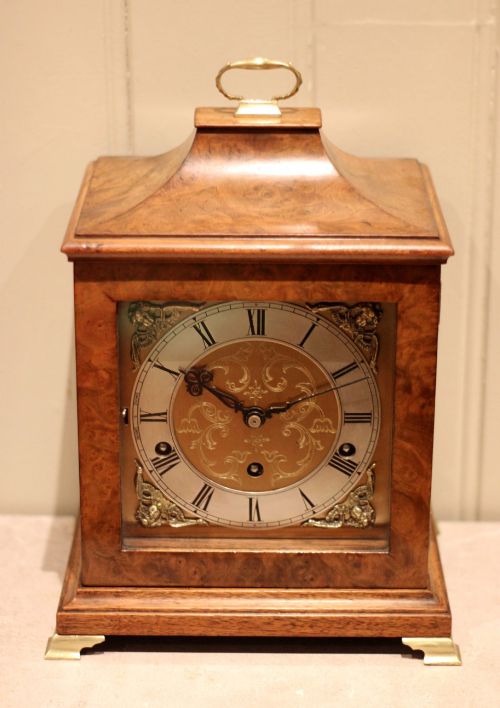
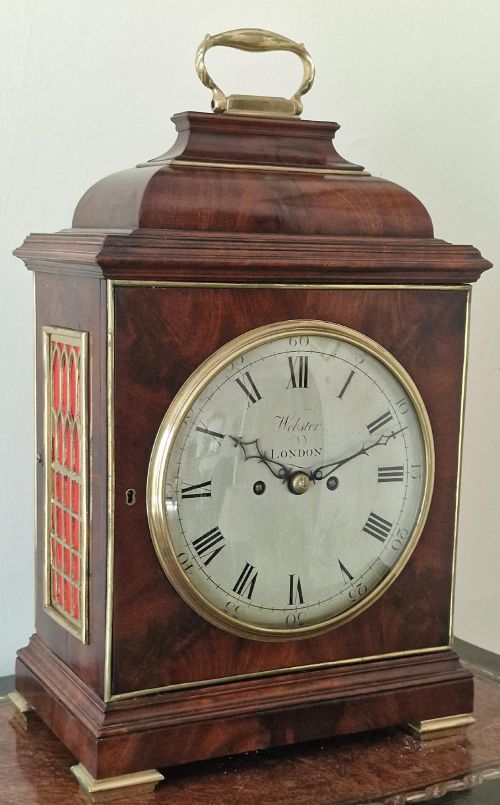
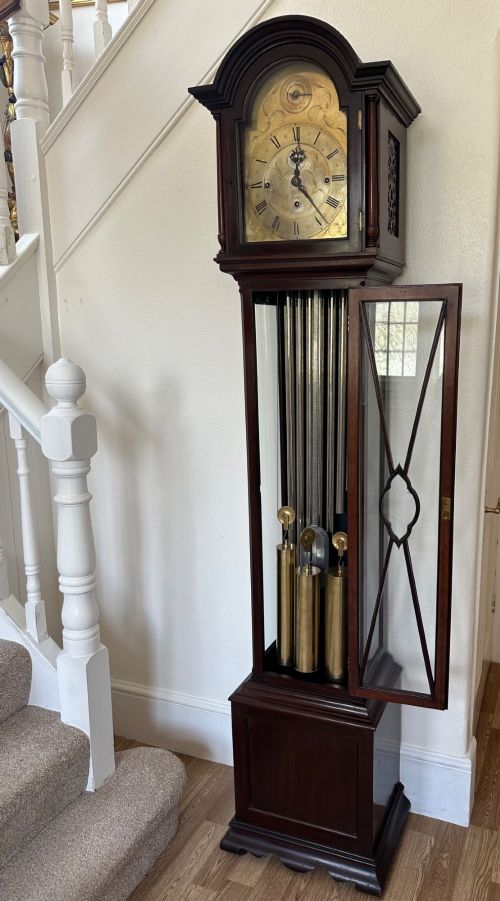
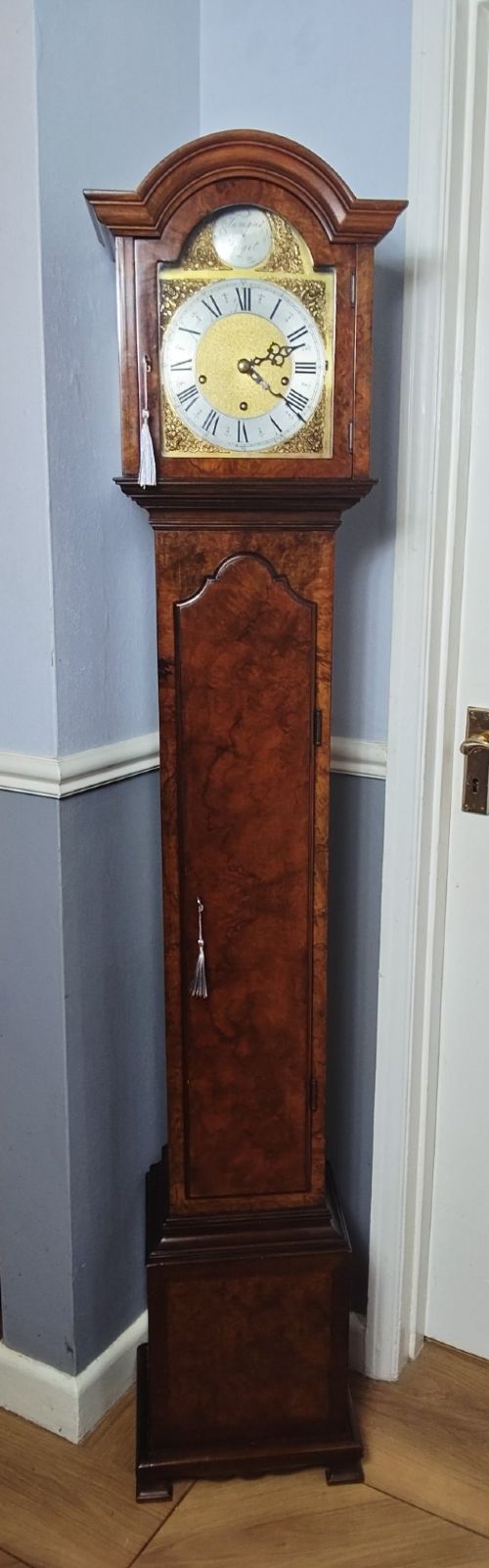
An antique brass chiming clock typically takes the form of a tall floor-standing longcase or a smaller bracket and mantel design intended for furniture placement. The selection spans the Victorian and Edwardian eras alongside specific nineteenth-century decades and the early twentieth century.
Buyers encounter regional variations including traditional English movements alongside continental European pieces. Cases scale from imposing grandfather heights down to compact grandmother and wall-mounted versions.
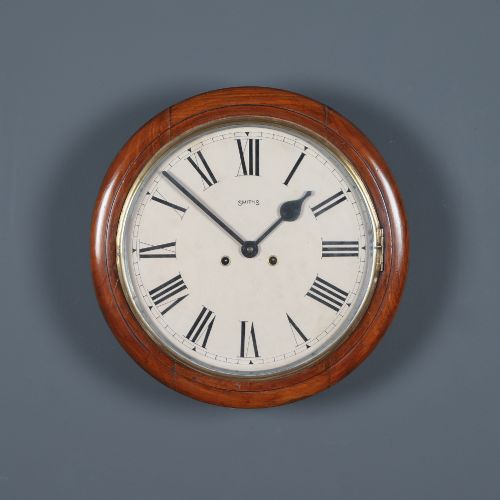
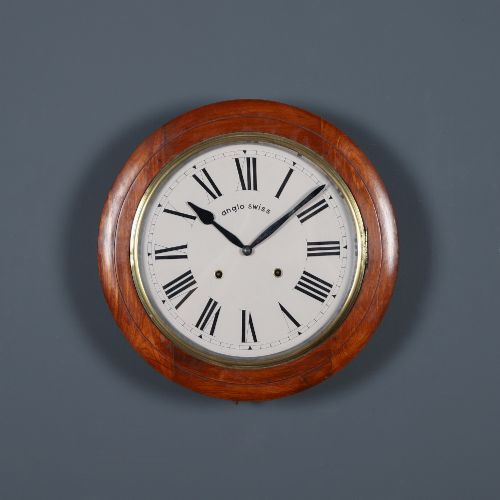
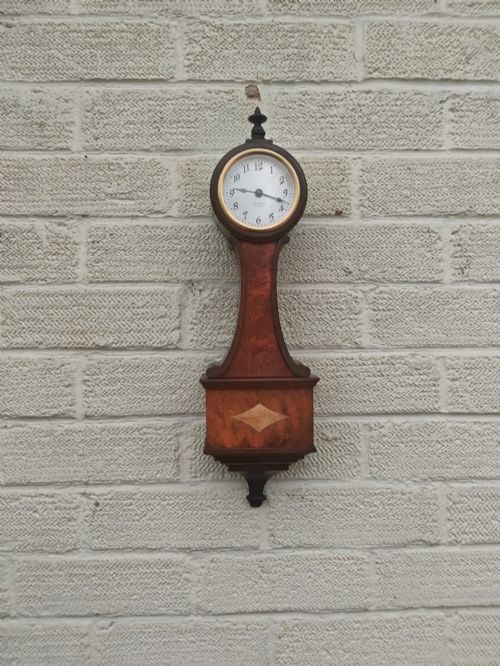
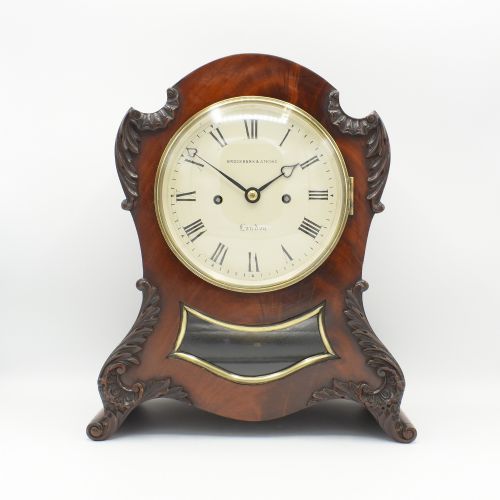
The phrase encompasses multiple formats designed to mark hours and quarters with bells, gongs, or tubes. The most common manifestations on this page range from mahogany railway station wall dials to burr walnut bracket clocks.
Materials and Movements
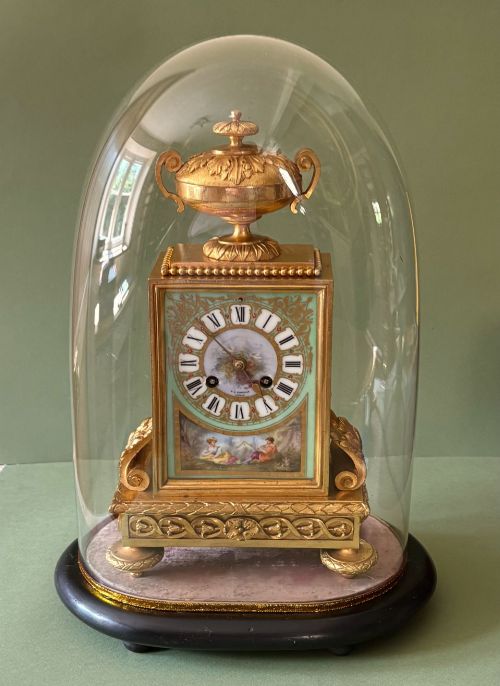
Cases combine solid woods like oak, mahogany, and walnut with decorative veneers such as burr walnut and ebony. Metal components utilise brass for dials and bezels, alongside ormolu and gilt bronze mounts.
Internal mechanisms rely on complex gear trains driven by weights or springs to power both the timekeeping and the striking or chiming trains. Dials feature engraved brass, silvered chapter rings, and white enamel markers.
Listings feature oak, mahogany, and walnut woods alongside brass, ormolu, and glass across Victorian, Edwardian, and nineteenth-century periods.
Craftsmanship and Acoustics
Quality separates through the complexity of the movement, distinguishing standard hour strikes from quarter-chiming configurations utilising multiple bells, gongs, or tubular rods. Finer examples display meticulous hand-engraving on the brass dial plates and robust fusee or three-train mechanisms.
Cabinetwork distinguishes the hierarchy, where solid timbers and figured walnut veneers with precise inlay show superior joinery compared to utilitarian railway pieces. The resonance and clarity of the chime reflect the acoustic design and the precision of the hammer alignment within the case.
Gillett & Johnston of Croydon·Lenzkirch·Japy Freres·Brockbanks & Atkins·Winsor Bishop Norwich·Mappin & Webb·Winterhalder & Hofmeier·Schneckenburger·Francis Perigal
The Antique Brass Chiming Clock Glossary
- Bracket clock
- A portable table or shelf clock historically designed to sit upon a matching wall bracket. These self-contained timepieces frequently feature carrying handles and glazed side panels.
- Longcase clock
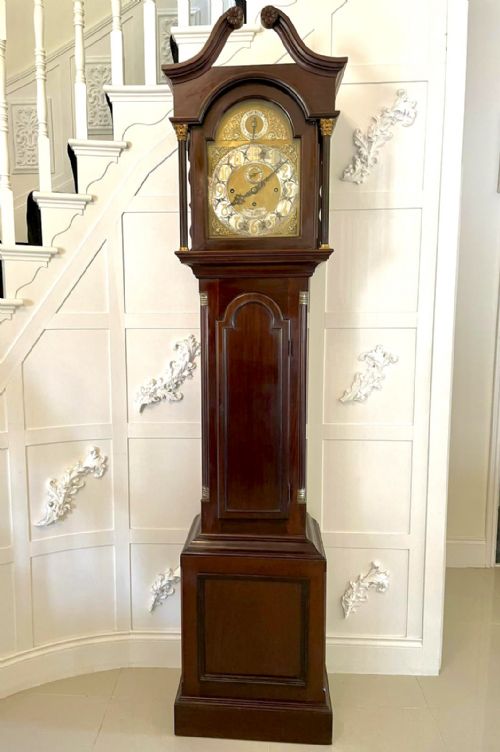
- A tall weight-driven pendulum clock housed in a protective wooden case standing directly on the floor. Also known as grandfather or grandmother clocks depending on their height.
- Fusee
- A conical pulley used in spring-driven clocks to equalise the torque of the mainspring as it unwinds. This mechanism maintains steady force on the gear train to ensure timekeeping accuracy.
- Three train
- A clock movement driven by three separate gear trains controlling the timekeeping, the hour strike, and the musical chimes. This arrangement powers complex sequences such as Westminster quarters.
- Ormolu
- Gilded bronze ornamentation applied to clock cases for decorative effect. The technique involves a mercury amalgam process producing a distinctive golden finish.
Antique Brass Chiming Clock: Frequently Asked Questions
How do I wind an antique chiming clock?
Winding requires inserting the appropriate key into the winding holes on the dial and turning it gently until resistance meets you. Care must be taken not to over-wind the springs or disturb the delicate weight suspension.
For chiming models, allow the chime sequence to finish completely before advancing hands or adjusting the time. Consulting the specific train layout prevents damage to the striking gear.
Where should I place a longcase clock?
Longcase clocks need a stable, dry interior wall away from direct sunlight, central heating vents, and heavy foot traffic. Floor stability prevents vibrations from interfering with the pendulum swing.
Adequate vertical clearance is essential to accommodate the height of grandfather or grandmother cases without tilting. Levelling the case ensures the escapement beats evenly.
How do quarter chimes work?
Quarter chimes utilise a dedicated gear train that releases a hammer sequence against a set of gongs, bells, or tubular rods at fifteen-minute intervals. The mechanism lifts levers corresponding to a specific musical pattern before the full hour strike sounds.
Complex movements can play multiple distinct tunes selected via a secondary dial lever. The complexity of this train separates standard timepieces from musical examples.
How do I date a brass dial clock?
Dating relies on stylistic clues within the brass dial execution, spandrel designs in the corners, and the shape of the chapter ring. Earlier eighteenth-century faces feature matted centres and engraved signatures, while Victorian and Edwardian examples incorporate subsidiary dials and heavier cast bezels.
Case timber and construction methods provide supporting evidence. Walnut veneers and specific marquetry patterns align closely with Edwardian and Victorian revival periods.