




Winterhalder and Hofmeier Clock
Winterhalder and Hofmeier clocks are precision timepieces defined by sophisticated chime movements and robust wooden cases that anchor a traditional interior.
Winterhalder and Hofmeier Clock
A winterhalder and hofmeier clock represents fine German clockmaking from the nineteenth and early twentieth centuries, commonly found as bracket clocks, mantel clocks, and dial clocks. These timepieces typically date from the Victorian and Edwardian periods, including specific years such as 1850, 1880, 1890, and 1914.
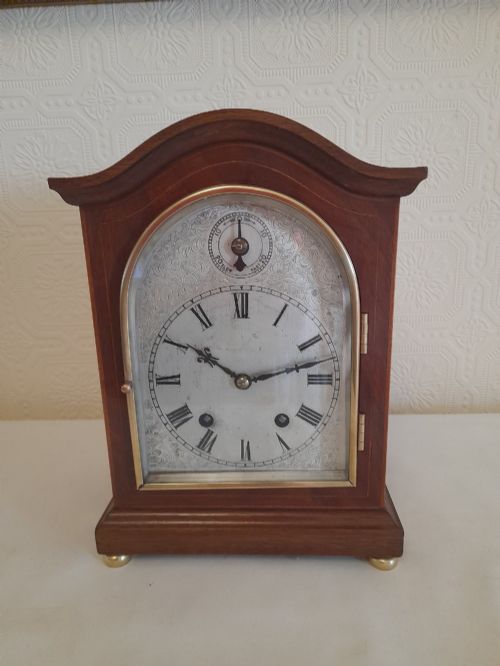
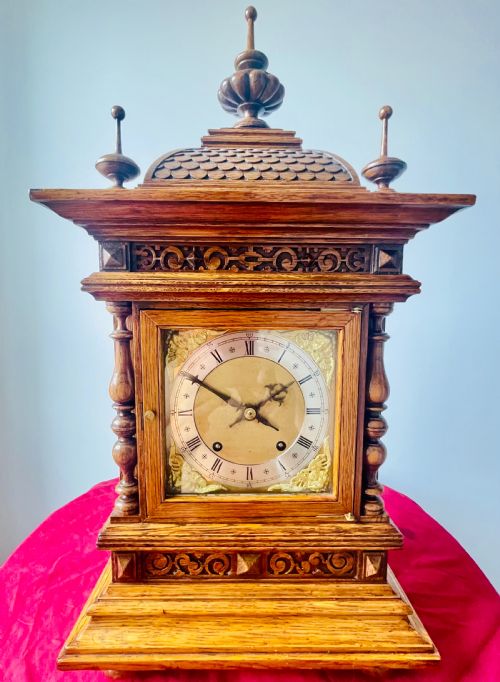
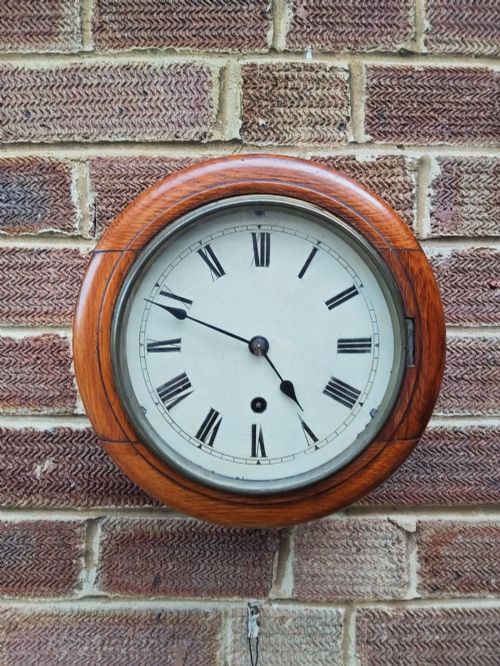
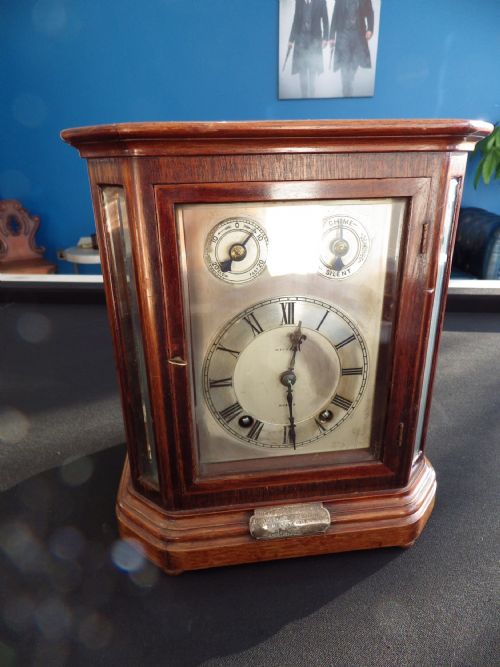
The pieces on this page span several distinct forms, from small oak dial clocks and four-glass mantel clocks to large boardroom and musical three-train Westminster bracket clocks. Mahogany, oak, walnut, and ebonised wood form the primary housing for these intricate mechanisms.
Materials and construction
Cases utilise dense timbers including mahogany, oak, and walnut, often shaped into pad-top or architectural bracket forms with glazed panels of glass to reveal the movement. Brass and silvered metal or silvered brass supply the dial faces and chapter rings, complemented by steel internal components.
Movements are constructed to deliver specific acoustic functions, including ting-tang strikes, quarter-striking capabilities, and full Westminster chimes driven by multi-train gear trains housed securely within the timber frames.
Winterhalder and Hofmeier Clock Retail Price Guide 2026
Typical asking prices for winterhalder and hofmeier clock among the pieces listed under this phrase on Sellingantiques today, from the lower quarter to the upper quarter. They describe what is for sale here now, not the wider market.
Factors of quality and execution
Quality in these clocks rests upon the complexity of the movement and the intricacy of the case carpentry, such as deeply carved wooden details versus plain surfaces. Three-train musical movements and multi-bell setups represent a higher tier of mechanical ambition than simple time-and-strike configurations.
The proportion and finish of the timber case, whether golden oak, rich mahogany, or ebonised wood, dictate the visual presence of the clock. Dial execution, including the crispness of silvered brass chapter rings and the integration of bevelled glass panels, separates standard examples from exceptional pieces.
Winterhalder And Hofmeier
The Winterhalder and Hofmeier Clock Glossary
- Bracket clock
- A portable table clock originally designed to sit on a wall bracket. These pieces frequently feature architectural wooden cases and sophisticated striking mechanisms.
- Ting-tang
- A two-hammer striking system that sounds two different notes on the quarters or hours. It provides a distinct double tone.
- Three-train movement
- A clock movement with three separate gear trains powering timekeeping, striking, and chiming respectively. This setup enables full melodies like the Westminster chime.
- Pad-top
- A style of bracket clock case featuring a domed or stepped upper section above the main body. This shape is characteristic of late nineteenth-century British and continental designs.
- Silvered brass
- A metallic dial treatment where a brass base is coated with a silver compound and engraved with numerals. It offers high contrast against dark wooden cases.
Winterhalder and Hofmeier Clock: Frequently Asked Questions
What is a ting tang clock movement?
A ting-tang movement utilises two hammers and two bells or gongs to sound a two-note sequence on the quarters. It creates a melodic chime distinct from standard hourly strikes.
This mechanism was frequently employed by German makers during the Victorian period to add acoustic complexity without requiring a full three-train chime assembly.
Where should I place a bracket clock?
Bracket clocks are designed for stability on sturdy surfaces such as mantelpieces, sideboards, or dedicated wall brackets. Their heavy timber cases require firm support.
Keep them away from direct heat sources and damp environments to protect the internal brass movements and wooden cabinetry over time.
How do I wind a mechanical desk clock?
Winding requires a matching key inserted into the dial winding holes to tension the internal springs. Care must be taken not to over-wind the mechanism.
Different trains control timekeeping and chiming separately, meaning multiple arbors must be attended to maintain full operation.
What woods were used for these cases?
Cabinet makers utilised durable hardwoods including mahogany, oak, walnut, and ebonised finishes. These materials provided structural integrity and aesthetic weight.
Lighter golden oak and rich dark mahogany are common amongst nineteenth-century survivals, often paired with brass feet and bezels.