





German Striking Clock
A german striking clock brings mechanical timekeeping into domestic spaces through brass movements and timber cases.
German Striking Clock
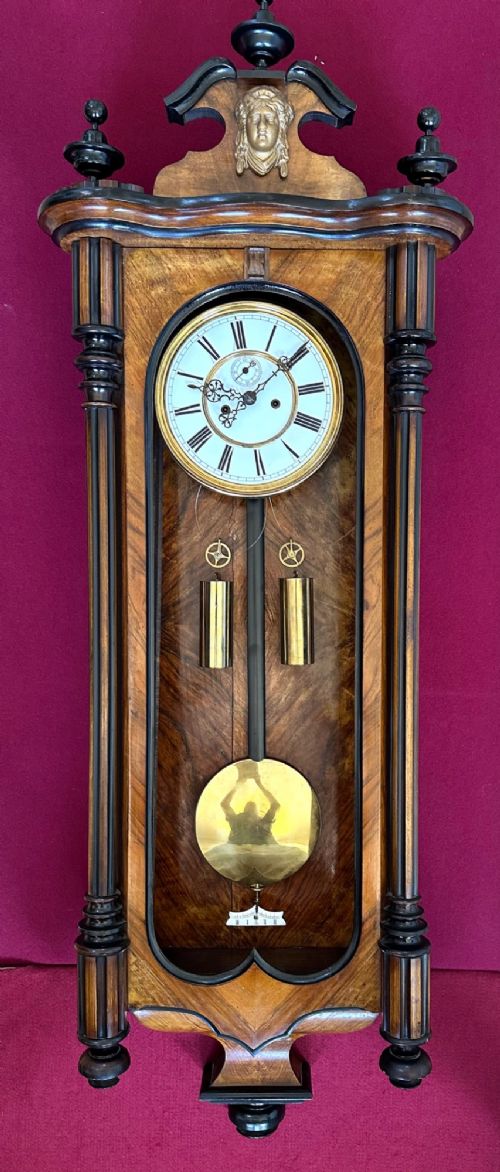
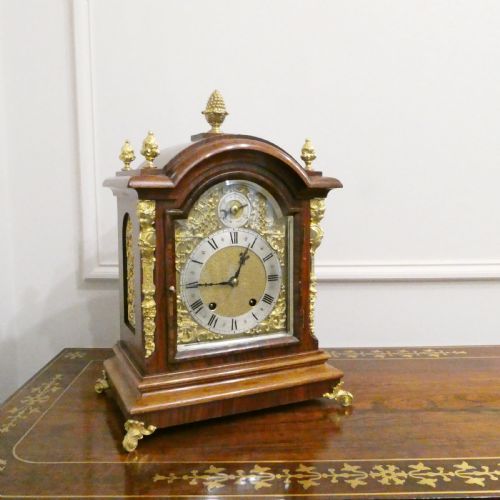
A german striking clock typically takes the form of a mantel clock, wall clock, or bracket clock designed to chime the hours and quarters. Buyers searching this phrase encounter nineteenth century pieces alongside Edwardian examples originating from workshops across Germany.
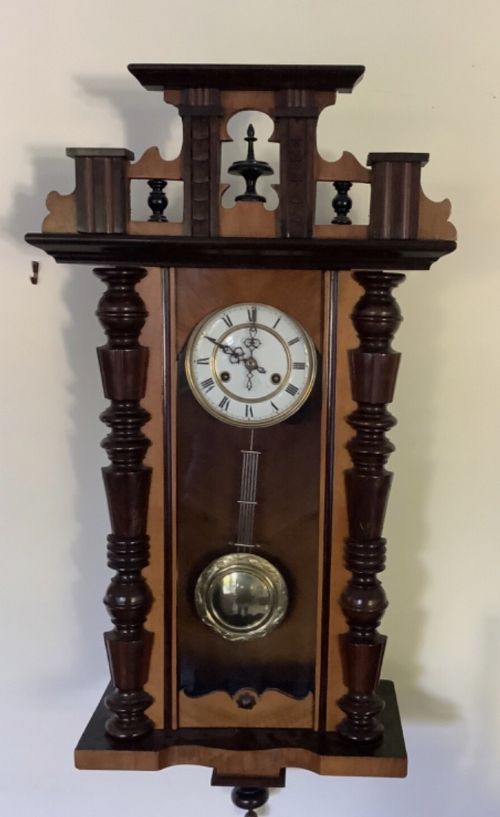
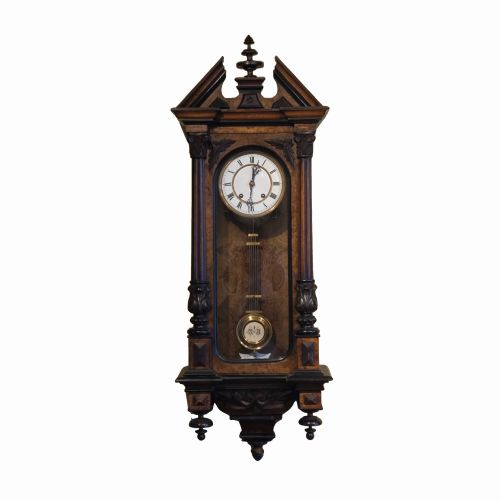
Mantel clocks in walnut, mahogany, and ebonised wood sit alongside Vienna wall clocks featuring weights and pendulums. These pieces span periods from the Victorian era into the early twentieth century, reflecting varied domestic interior tastes.
The selection ranges from simple eight day wall timepieces to elaborate quarter striking bracket clocks. Walnut and mahogany cases predominate, housing movements built by notable makers.
How they were made
Clockmakers constructed mechanical movements in brass to drive striking trains, ting tang chimes, or Westminster melodies. Weights, springs, and pendulums regulate the timekeeping and audible strikes across eight day and fourteen day durations.
Some clocks possess two distinct gongs just so they can remind you of the quarter hour twice as politely.
What varies in quality
Case construction separates standard production from superior examples, with choice veneers and crisp carved details marking out better pieces. The density of the walnut or mahogany and the finish of the timber affect the overall presence of the clock.
Movement complexity dictates the standard of the mechanism, distinguishing simple striking trains from quarter striking or ting tang systems. The precision of the brass work and the clarity of the enamel dial contribute to the standing of an individual clock.
Winterhalder and Hofmeier·Schneckenburger·Johann Baptist Beha·Lenzkirsch
The German Striking Clock Glossary
- Ting tang
- A striking mechanism that sounds two different notes on two bells or gongs to indicate the quarters. This arrangement appears frequently in bracket and mantel clocks.
- Vienna regulator
- A precision wall clock driven by weights and a pendulum, originating in Austrian and German workshops during the nineteenth century. These clocks are known for long cases and visible pendulums.
- Bracket clock
- A portable clock originally designed to sit on a wall bracket, though later placed on mantelpieces and tables. They frequently feature detailed timber cases and carrying handles.
- Ormolu
- Gilded bronze or brass applied as decorative mounts to clock cases. The material adds metallic contrast to walnut and mahogany surfaces.
- Ebonised wood
- Timber treated to imitate ebony, creating a dark, uniform finish. This treatment appears on nineteenth century clock cases for a dramatic aesthetic.
German Striking Clock: Frequently Asked Questions
How do I wind a german striking clock?
Wind the clock using the appropriate key inserted into the winding holes on the dial. Turn gently until resistance is felt, taking care not to overwind the mainspring or pull the weights too high.
Ensure you do not force the hands backward past the striking point, as this can disrupt the internal synchronisation of the striking train.
How do I tell a wall clock from a mantel clock?
Wall clocks, such as Vienna regulators, hang from a mounting point and often display a suspended pendulum and hanging weights below the dial. Mantel clocks are self-contained box forms designed to sit flat on a shelf or surface.
Wall examples rely on gravity drives from weights, whereas mantel versions commonly use internal spring-driven movements.
Where should I place a striking clock?
Position the clock on a stable, level surface or a secure wall fixing to ensure the pendulum swings evenly. Uneven placement causes the beat to become erratic and can stop the movement entirely.
Keep the clock away from direct sunlight, damp areas, and extreme temperature fluctuations to protect the wood case and brass mechanism.