
Antique Brass Bin
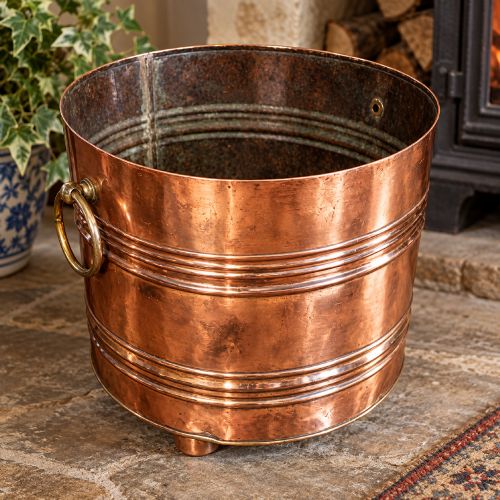
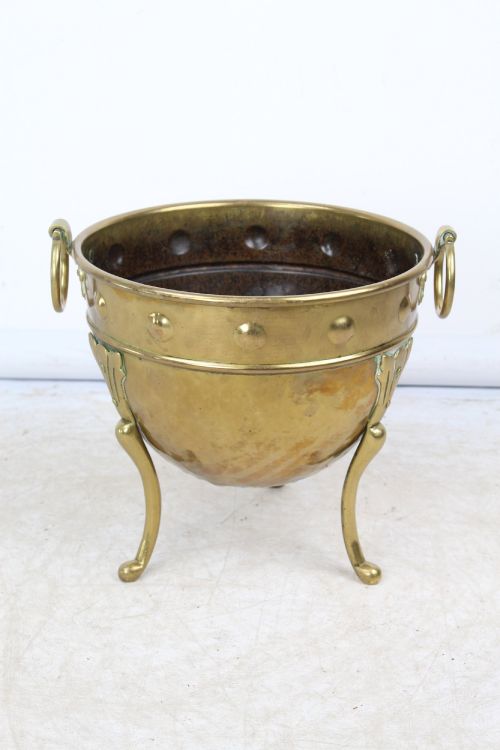
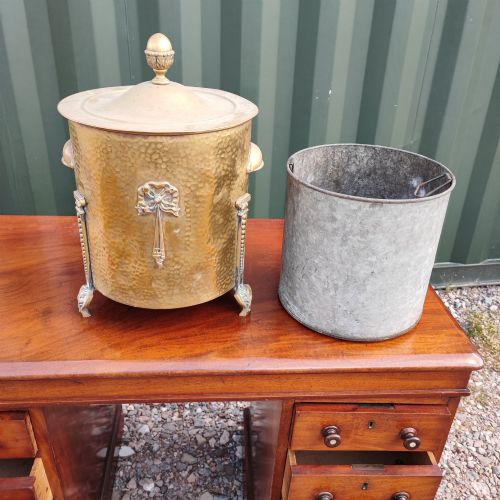
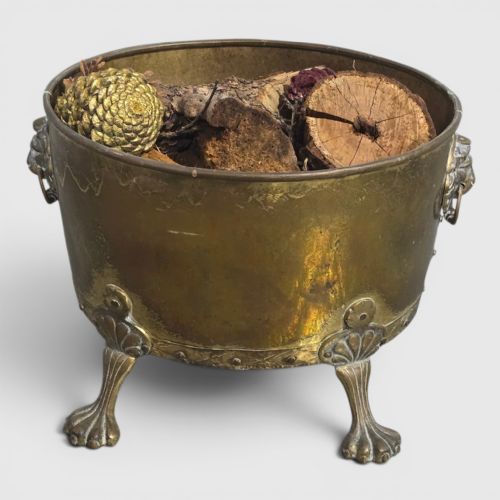
An antique brass bin brings warmth and functional history to a hearth, appearing as heavy coal scuttles, log buckets and planters.
Antique Brass Bin
When you search for an antique brass bin, you encounter heavy hearthside vessels primarily designed to hold solid fuel such as coal, logs or kindling near a fireplace. These domestic items double as planters, jardinières and umbrella stands, reflecting the varied repurposing of metalware over the decades.
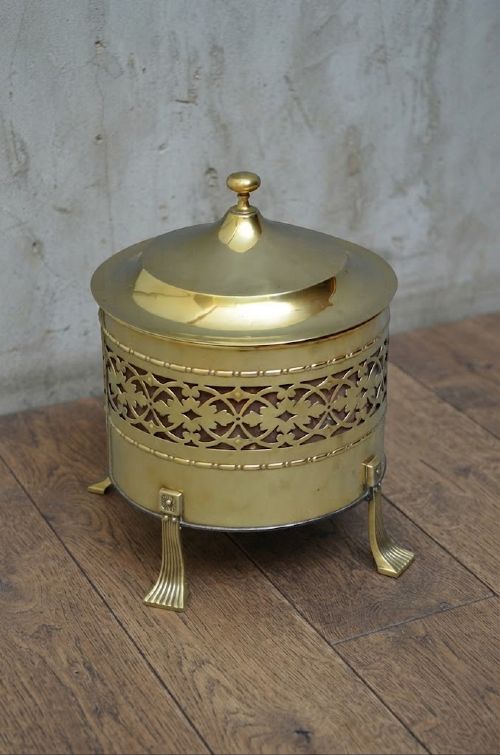
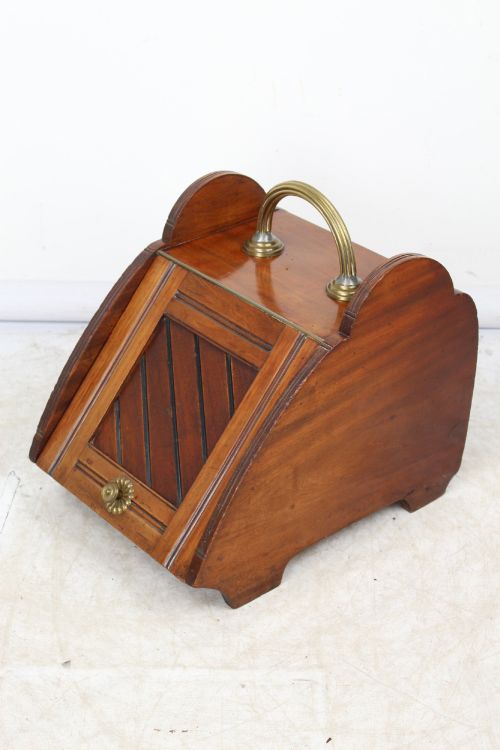
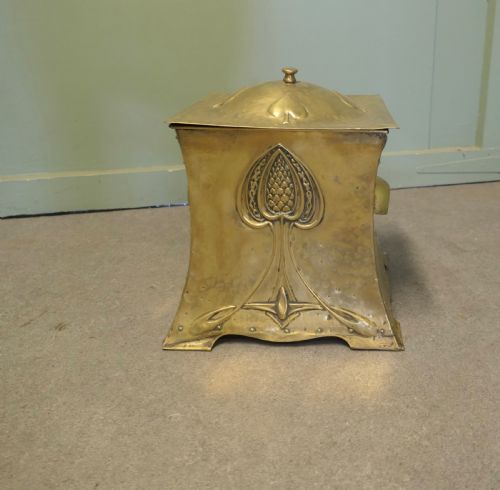
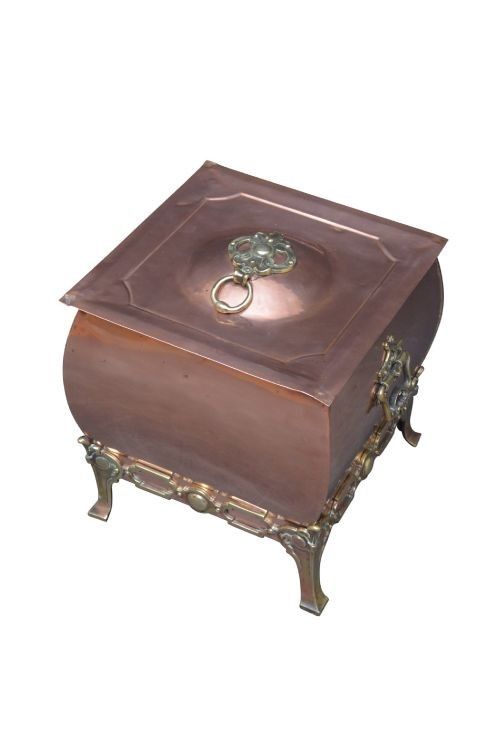
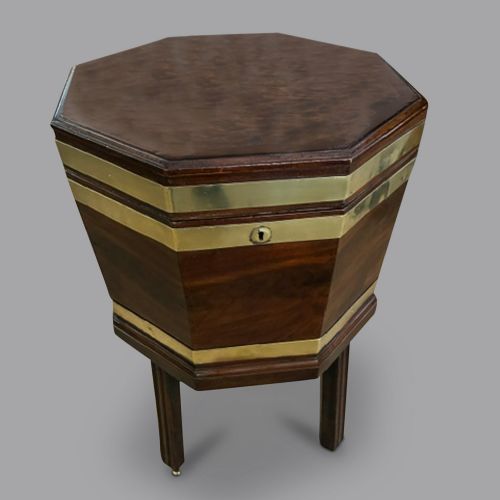
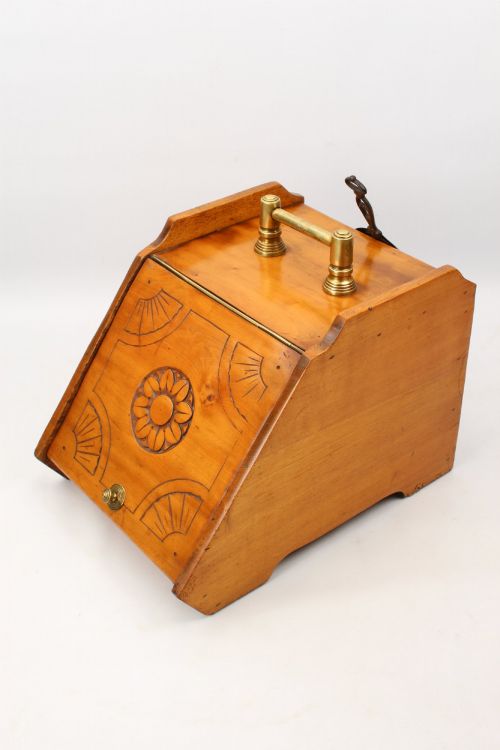
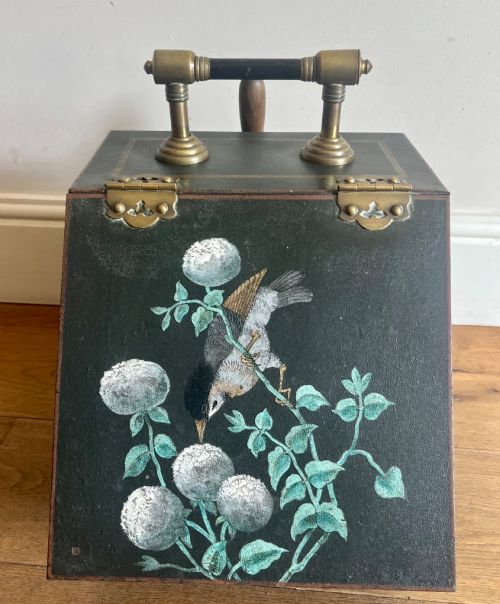
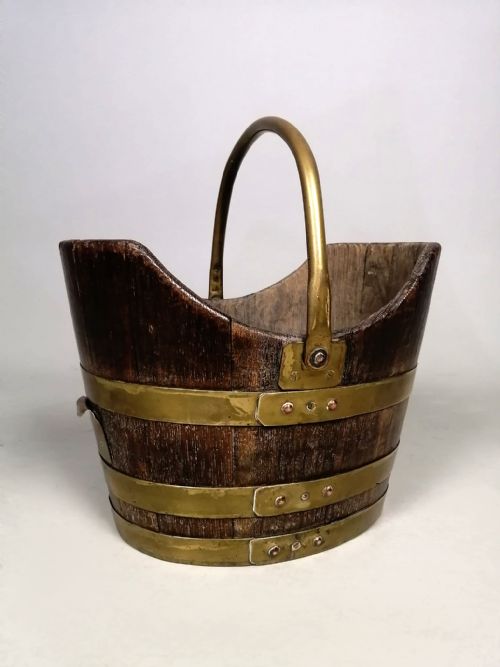
The pieces you meet most frequently on this page date from the Victorian and Edwardian periods, alongside Georgian examples and later Arts and Crafts interpretations. They take the form of lidded coal boxes, open buckets, scuttles with shovels, and coopered wooden vessels reinforced with brass bands.
Materials and construction
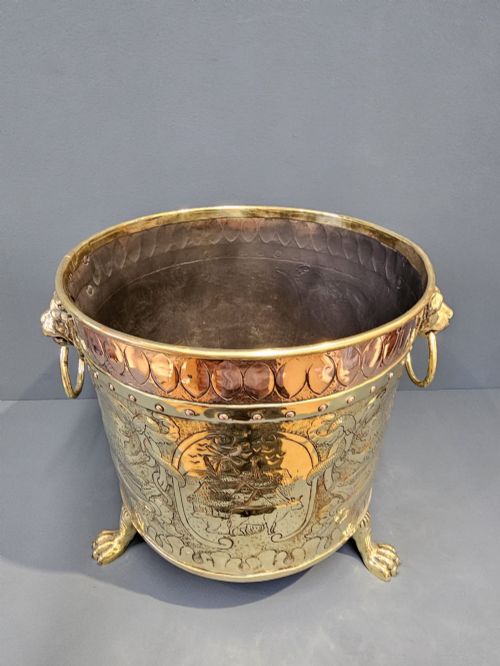
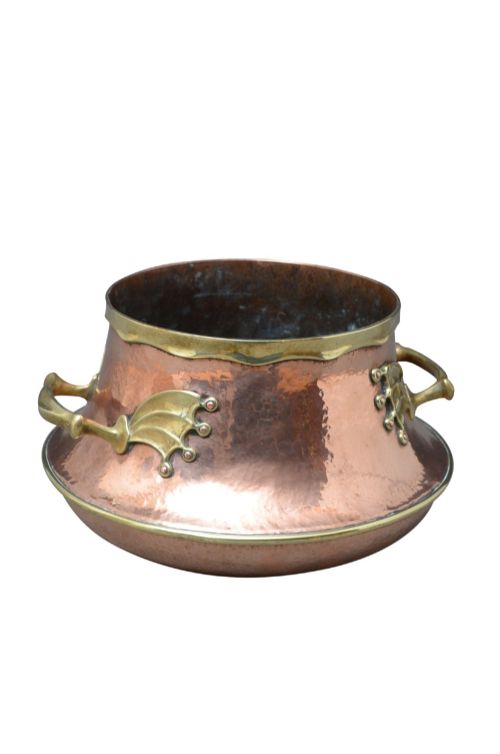
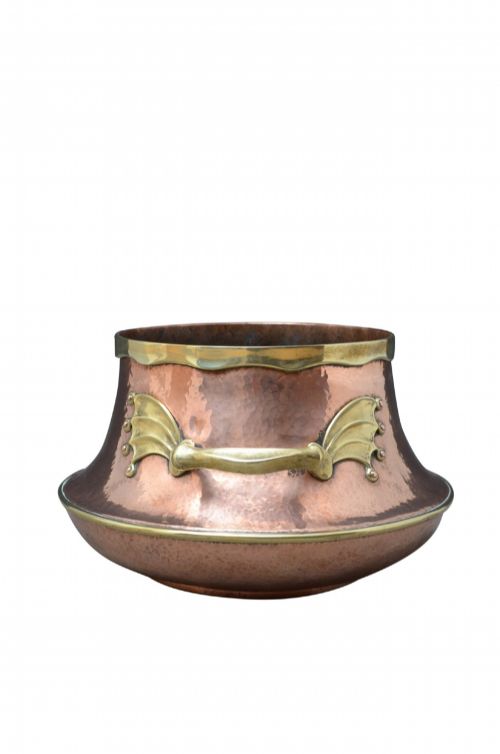
Makers built these vessels by combining sheet brass and copper, often hammering or embossing the metal surfaces by hand to create decorative panels and repetitive patterns. Structural integrity relied on iron and timber elements, utilising oak, mahogany, walnut and pine for linings, bases and coopered staves.
Handles, feet and mounts were cast in brass and secured with riveted joints or screws, while specific items incorporated ceramic liners, tole ware or wooden inserts to manage moisture and fuel debris.
One unexpected hearthside container listed is a large antique cheese kettle pressed into service as a log bin.
Judging the standard
The standard of a piece depends on the weight of the metal gauge used in its construction and the crispness of any hand-hammered or embossed detailing. Heavy gauge brass and secure, tight coopered joints separate robust utilitarian items from lighter decorative vessels.
Makers who invested time in detailed repoussé work, integrated ceramic liners, and sturdy hardware produced vessels that retained their structural balance through decades of domestic use.
Henry Loveridge·Petrus Ramus
The Antique Brass Bin Glossary
- Coal scuttle
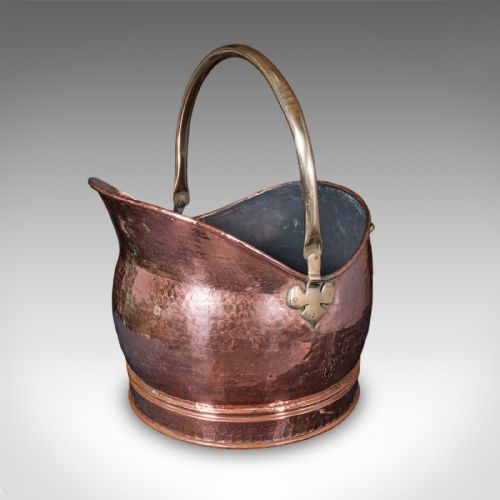
- A bucket or box designed for carrying and storing domestic coal, frequently fitted with a hinged lid, a sloping body, and a carrying handle. Many examples include a matching shovel stored in a back sleeve.
- Jardinière
- An ornamental pot or stand designed to hold growing plants or flowers, often sharing the hammered brass and copper construction of fireside bins. These vessels frequently feature liner inserts to protect the exterior metal from water.
- Coopered
- A method of construction where tapered wooden staves are joined side by side and bound with metal hoops, much like a barrel. This technique appears on oak and mahogany log bins and peat buckets.
- Repoussé
- A metalworking technique where the artisan hammers the design from the reverse side to create a raised pattern on the front. This ornamentation appears on Arts and Crafts brass bins and coal buckets.
Antique Brass Bin: Frequently Asked Questions
What is an antique brass bin used for?
These vessels originally served as functional storage containers beside the fireplace for solid fuel such as coal, logs and kindling. Many domestic spaces utilised them as coal scuttles or fire-side fuel baskets.
Today, buyers repurpose them as large indoor planters, umbrella stands, or decorative waste paper baskets. Their robust metal construction allows them to hold potted plants and heavy items safely.
How do I date an antique brass bin?
Dating relies on examining the construction methods, materials, and stylistic motifs present on the piece. Georgian and Regency examples often feature simple, clean lines with heavy brass banding on mahogany or oak.
Victorian and Edwardian versions introduce heavier embossing, hand-hammered Arts and Crafts surfaces, and specific hardware like ceramic liners. The presence of machine-made screws or modern alloys points toward later twentieth-century production.
Are these bins waterproof?
Most antique brass bins were designed for dry fuel and often feature riveted or wooden bases that may leak over time. Some examples include original metal or ceramic liners intended to catch moisture and debris.
If you plan to use a brass bin as a planter, inspect the interior for a protective liner. Placing a modern plastic tray inside prevents water from damaging the historic base.
How do I clean antique brass?
Cleaning requires a gentle approach to preserve the natural patina accumulated over decades of use. Mild soapy water and a soft cloth remove surface dust and accumulated hearth soot without stripping the metal.
Avoid aggressive metal polishes that remove the characteristic aged tone and subtle darkening valued by collectors. A light wax can protect exposed brass surfaces from further oxidation.