

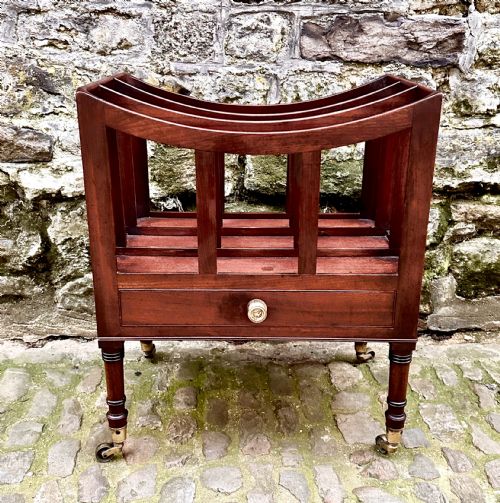


Brass Paper Rack
A brass paper rack organises your correspondence with period weight, bringing functional metalwork and rich timber to a desk or tabletop.
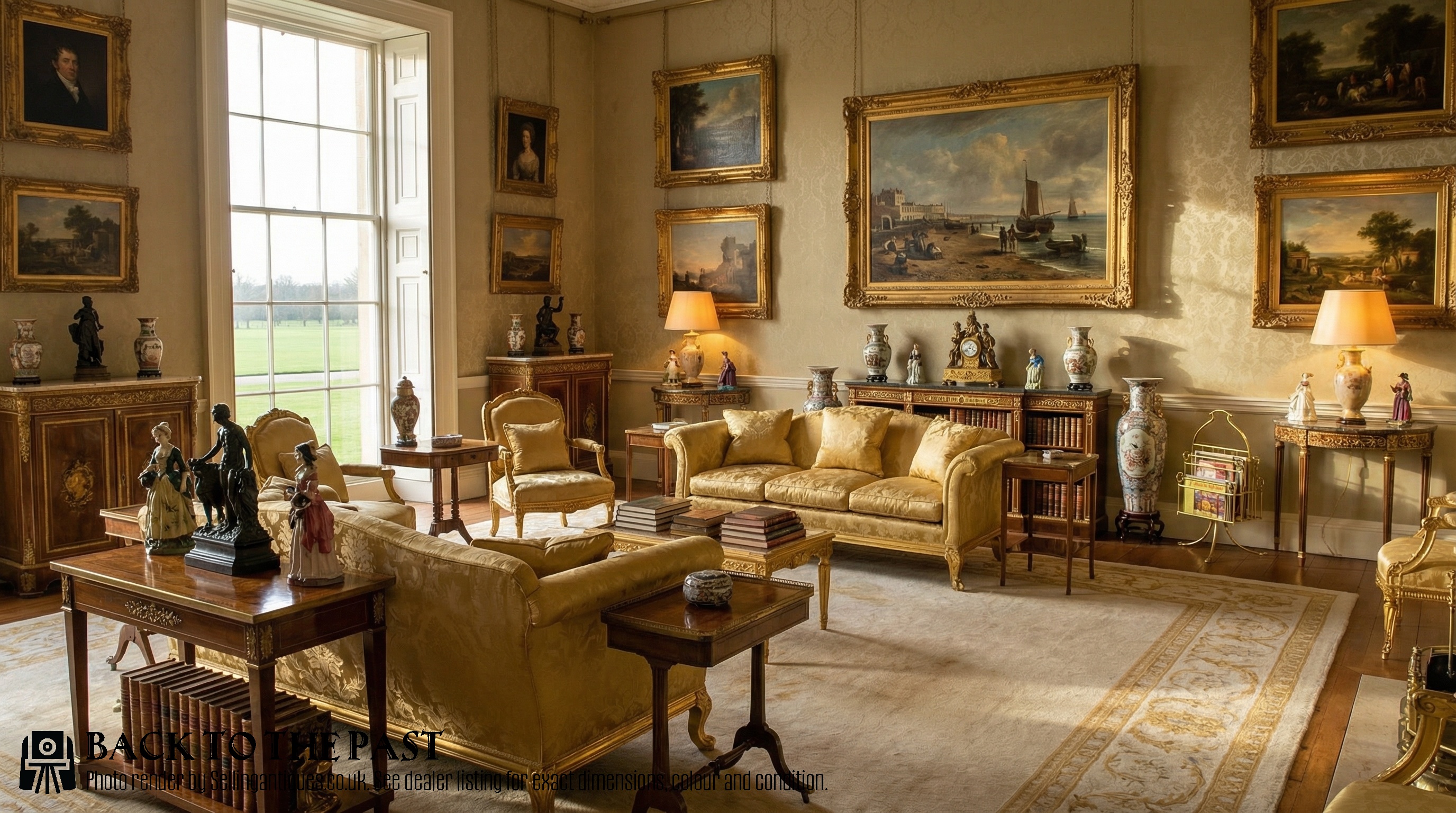
Brass Paper Rack
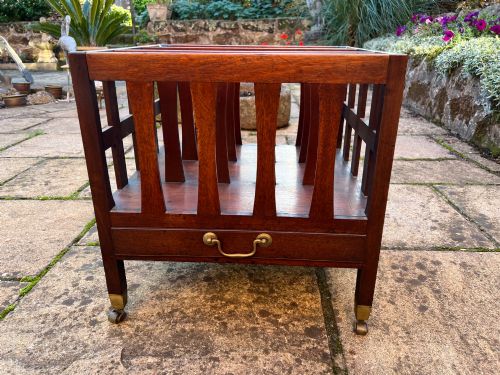
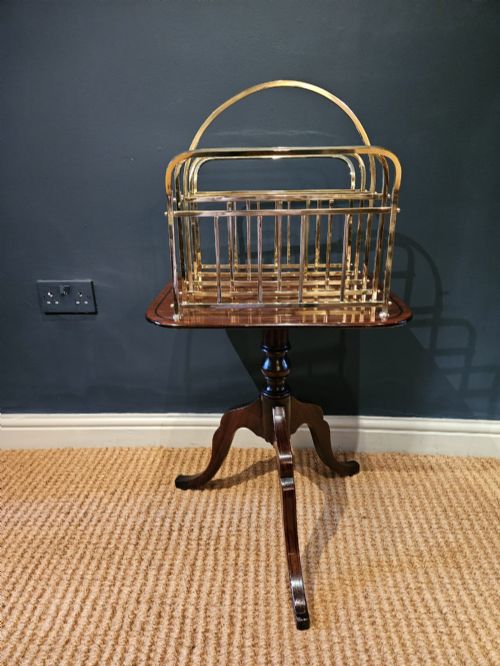
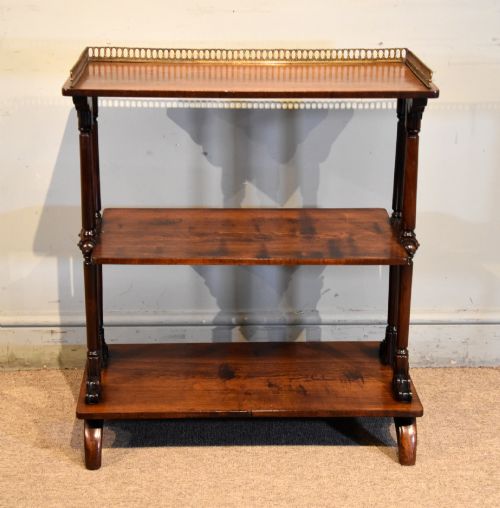
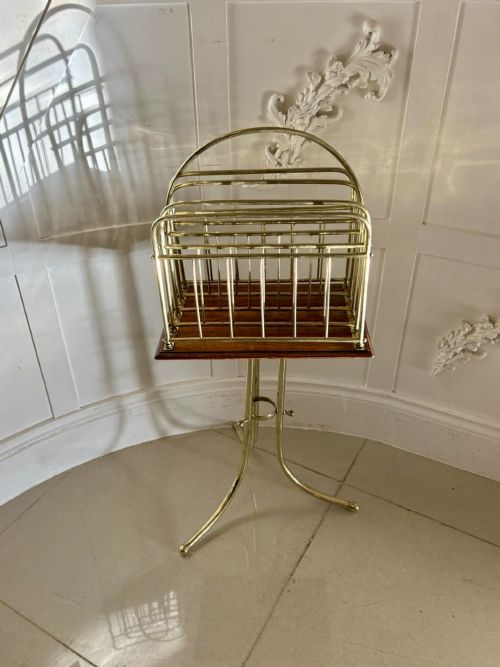
A brass paper rack gathers letters, newspapers and journals into structured compartments for everyday use. When you search for a brass paper rack, you encounter a variety of forms including freestanding revolving stands, folding desktop holders, wall-mounted racks and floor-standing magazine stands.
The pieces on this page span several periods, originating most frequently in the Edwardian and Victorian eras, alongside Regency, Georgian and Arts and Crafts examples. Many combine solid brass elements with timbers such as oak, mahogany, walnut and burr walnut, while others rely entirely on copper and brass construction.
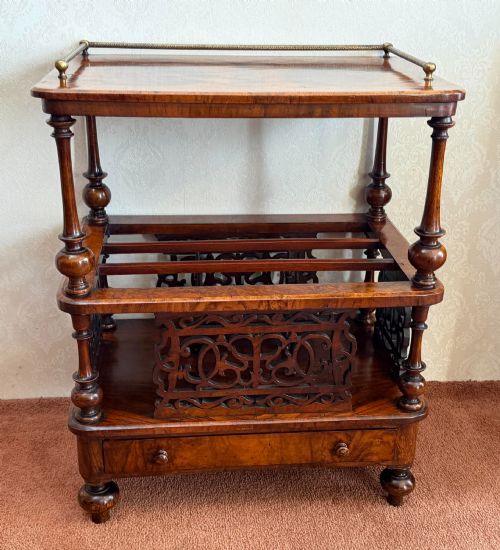
Makers and workshops across England and France produced these items for domestic studies, libraries and drawing rooms. You will find that smaller desk-top letter racks appear alongside larger revolving newspaper stands and canterburys designed to hold periodicals.
Materials and construction methods
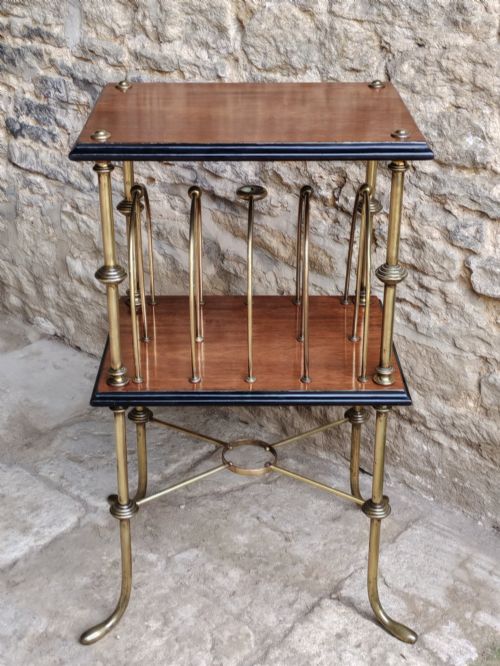
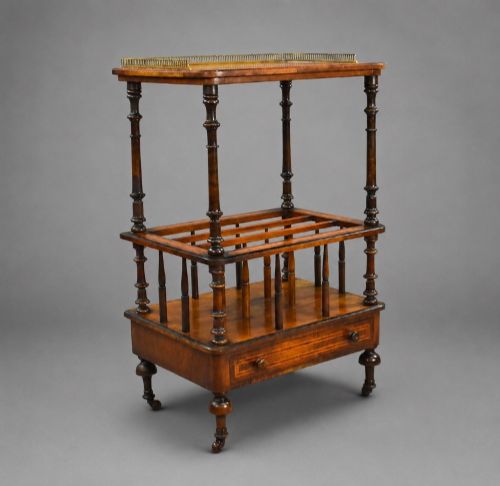
Makers constructed these racks using a combination of durable metals and cabinet timbers. Brass forms the wirework frames, tubular standards and decorative divisions, often paired with oak, mahogany, rosewood or burr walnut bases and panels.
Joinery techniques reflect the period of manufacture, from dovetailed timber trays to riveted and soldered brass wire frameworks. Folding desk racks utilise hinges and linkages to allow the partitions to expand or collapse.
Brass Paper Rack Retail Price Guide 2026
Typical asking prices for brass paper rack among the pieces listed under this phrase on Sellingantiques today, from the lower quarter to the upper quarter. They describe what is for sale here now, not the wider market.
Listings feature brass combined with oak, mahogany, walnut, burr walnut, rosewood and copper across the Victorian, Edwardian, Regency and Arts and Crafts periods.
Evaluating craftsmanship and proportion
Quality rests in the weight of the metal and the selection of the timber. Finer examples display solid brass castings, heavy gauge tubular frames and richly figured burr walnut or mahogany rather than thin sheet metal or plain secondary woods.
Construction rigidity distinguishes superior items from ordinary ones. Well-made revolving stands turn smoothly on central pivots, and folding racks maintain structural tension across every division without loose joints or warped panels.
Gillows of Lancaster·Maison Jansen
The Brass Paper Rack Glossary
- Canterbury
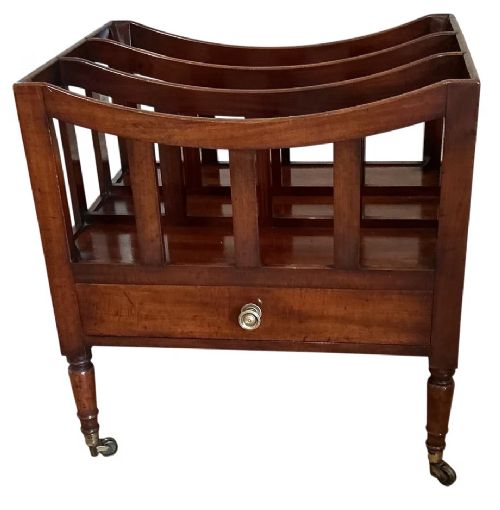
- A low stand fitted with divisions for holding loose sheet music, newspapers or magazines, often featuring a small drawer below. Originating in the late eighteenth century, these pieces evolved to accommodate changing domestic reading habits.
- Revolving rack
- A stand mounted on a central pivot and base that allows the entire book or magazine holder to spin freely. This mechanism provided easy access to multiple compartments from a seated position.
- Burr walnut
- A prized timber veneer harvested from the knot or burl growths of the walnut tree, showing swirling grain patterns. Cabinetmakers used it to cover flat surfaces on quality tables and stands.
- Arts and Crafts
- A design movement spanning the late nineteenth and early twentieth centuries that emphasised handcraftsmanship and honest construction. Pieces from this era often highlight hammered copper and brass alongside exposed oak frames.
Brass Paper Rack: Frequently Asked Questions
How do I clean a brass paper rack?
Dust the piece regularly with a soft dry cloth to prevent dirt accumulation in the crevices. Avoid harsh chemical polishes that strip historical patination from the metal.
For wooden sections, use a quality beeswax applied sparingly and buffed with a clean cloth. Keep the rack away from direct heat sources to protect timber joints and prevent warping.
Can I use these for modern magazines?
Many historical racks accommodate modern periodicals, though sizing varies depending on the specific nineteenth or twentieth-century format. Floor-standing magazine stands and canterburys offer deeper compartments suited to contemporary publications.
Desktop letter racks remain ideal for sorting mail, stationery and modern envelopes. Measure your items before purchasing if you intend to store oversized publications.
How do I date an oak and brass rack?
Examine the construction details, fixings and timber preparation to determine the period. Edwardian pieces often display simpler oak frames with machine-made brass fittings, whereas Victorian examples may incorporate richer veneers and heavier cast components.
Art Nouveau and Arts and Crafts pieces from around nineteen hundred typically feature distinctive hammered copper details and stylised organic motifs. Reviewing the joinery style helps narrow down the era of manufacture.
Where should I place a revolving stand?
Position a revolving magazine stand beside a reading chair, sofa or desk where the rotating compartments remain easily reachable. Ensure there is adequate clearance on all sides for the rack to spin without striking surrounding furniture.
Because many examples feature polished timber tops or delicate brass wirework, avoid placing them in damp areas or direct sunlight. A stable, level floor ensures smooth rotation on the central pivot.