



Heavy Brass Log Bucket
These heavy brass log buckets are robust hearth vessels crafted to hold firewood with substance and style.
Heavy Brass Log Bucket
When you search for a heavy brass log bucket, you are looking at sturdy metal vessels designed primarily for fireside use. The pieces on this page span several periods, most notably the nineteenth century and Victorian eras, alongside twentieth-century examples.
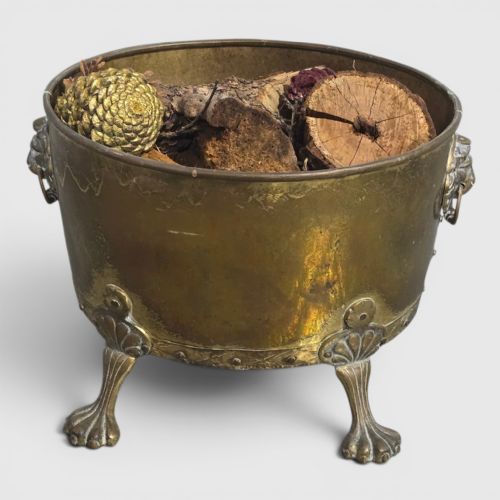
The inventory includes various forms such as log bins, coal buckets, cauldrons, and jardiniere vessels. Many of these robust containers function as practical fireside accessories while doubling as decorative items for the hearth.
Materials and construction
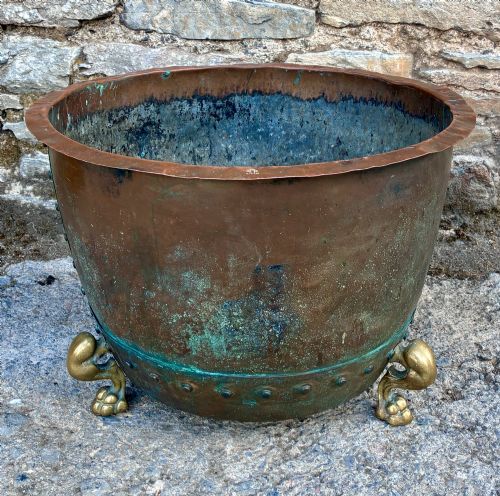
Makers utilised durable metals including brass, copper, and iron, frequently combining them within a single piece. Construction techniques involve visible riveting and heavy-gauge hammering, particularly on nineteenth-century examples and cauldrons.
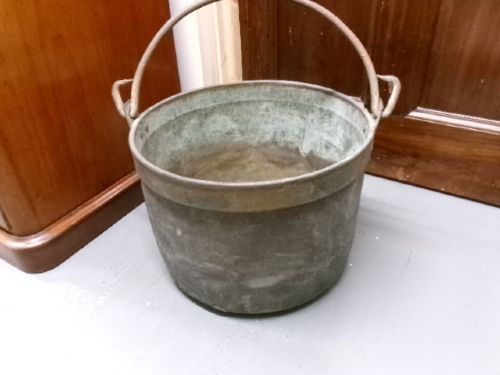
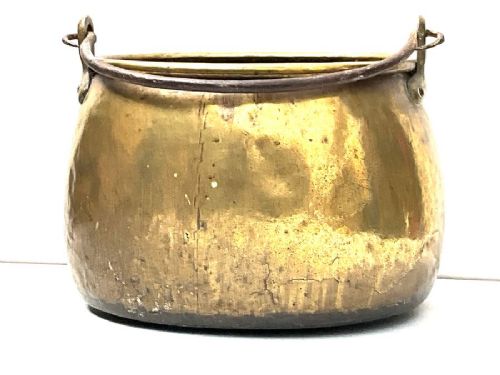
Handles and swing bail attachments provide structural support, often forged from wrought iron or cast brass to manage substantial weight. Surface finishes range from polished brass to patinated dinanderie copper.
Heavy Brass Log Bucket Retail Price Guide 2026
Typical asking prices for heavy brass log bucket among the pieces listed under this phrase on Sellingantiques today, from the lower quarter to the upper quarter. They describe what is for sale here now, not the wider market.
Listings feature items spanning the 18th, 19th, and 20th centuries, including Victorian and Art Deco pieces.
Judging quality in metalwork
Quality rests upon metal gauge thickness, structural integrity, and the execution of hand-finished details like riveting. Substantial weight and balanced proportions distinguish superior vessels from lighter utilitarian containers.
Maker attribution elevates certain pieces, such as documented Victorian examples bearing foundry stamps. The preservation of original surface patination and uncompromised handles governs desirability.
William Soutter & Sons
The Heavy Brass Log Bucket Glossary
- Dinanderie
- A category of decorative metalware, typically involving beaten copper or brass vessels. It often exhibits textured surfaces characteristic of early twentieth-century work.
- Cauldron
- A large round metal pot with a wide rim and swing handle. These vessels frequently served functional kitchen or hearth roles before becoming decorative planters and log bins.
- Jardiniere
- An ornamental pot or receptacle for holding plants or flowers. In metalwork, these often share robust construction methods with coal buckets.
- Swing handle
- A movable arched handle attached to opposite sides of a bucket or pan. It allows for balanced lifting of heavy loads.
- Rivet
- A mechanical fastener used to join heavy sheet metal plates together. Visible rivets provide both structural strength and industrial visual appeal on nineteenth-century vessels.
Heavy Brass Log Bucket: Frequently Asked Questions
What is a heavy brass log bucket used for?
These metal vessels serve primarily to store and transport firewood beside a hearth.
Beyond fireside practicality, larger examples function as decorative planters, coal bins, or distinctive room accents.
How do I clean an antique brass bucket?
Maintenance depends entirely on whether you prefer a bright polished finish or an aged dark patina.
Gentle dusting is usually sufficient, avoiding harsh chemical cleaners that strip historical surfaces.
Are these buckets safe for storing logs indoors?
Yes, their durable metal construction handles the weight and rough texture of firewood easily.
Solid base construction prevents debris from falling onto hearth carpets or wooden flooring.
How can I date a Victorian brass bucket?
Dating relies on observing construction methods like hand-riveting, material composition, and any maker marks.
Nineteenth-century pieces often display heavier gauge brass and specific handle attachment styles.