


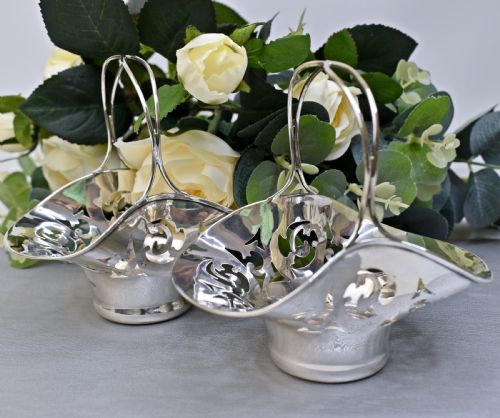
Antique Bonbonniere
An antique bonbonniere is a small, ornate container made to hold sweetmeats or confections, prized for its intricate enamelwork and precious metals.
Antique Bonbonniere
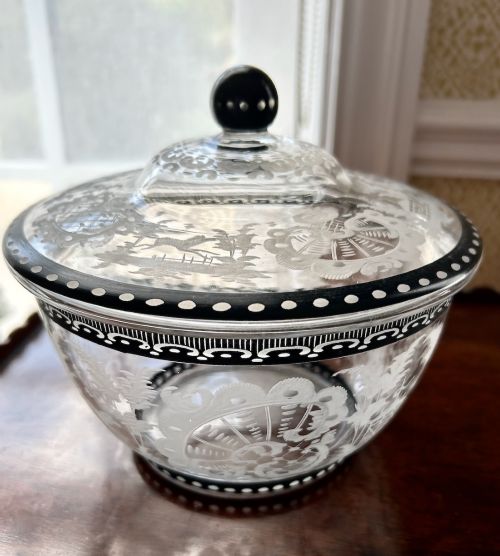
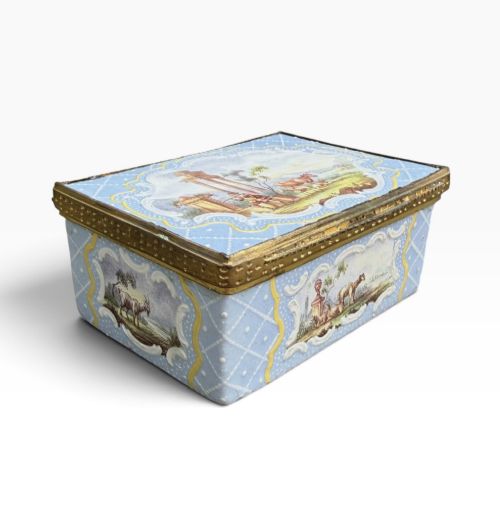
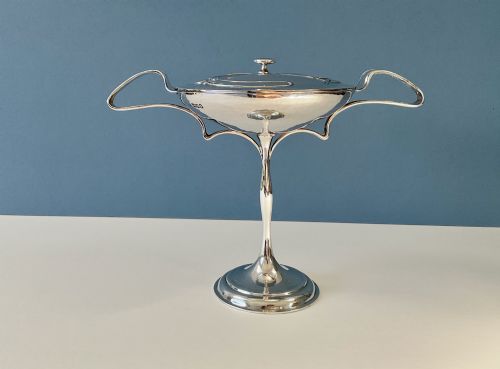
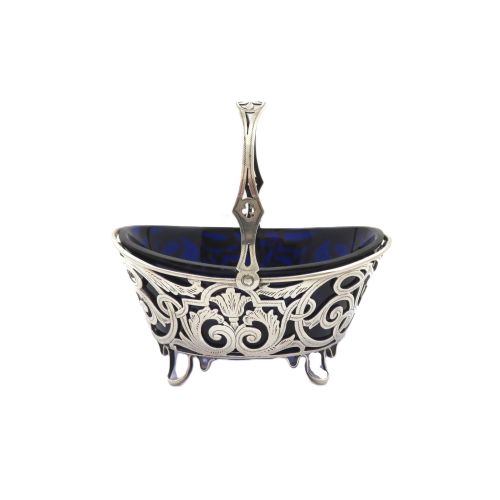
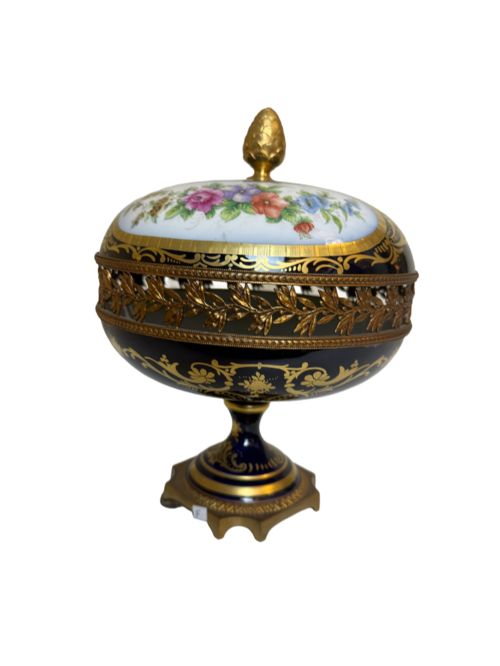
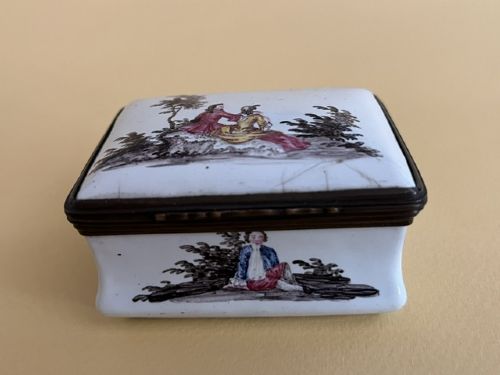
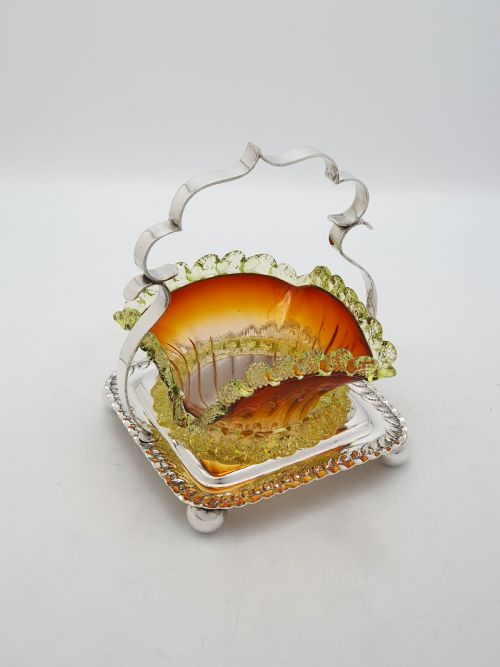
The form ranges from hinged enamel boxes bearing painted scenes to pierced sterling silver baskets and cut glass jars with covers. Many items trace their origins to English, French, and German workshops spanning the Georgian, Victorian, and Edwardian periods.
Materials and construction
Enamel on copper formed the basis for many eighteenth-century pieces, involving finely ground glass fused to metal through heat and decorated with hand-painted polychrome motifs. Silversmiths utilised sterling silver and silver gilt, employing casting, piercing, and repoussé techniques to shape intricate baskets and boxes.
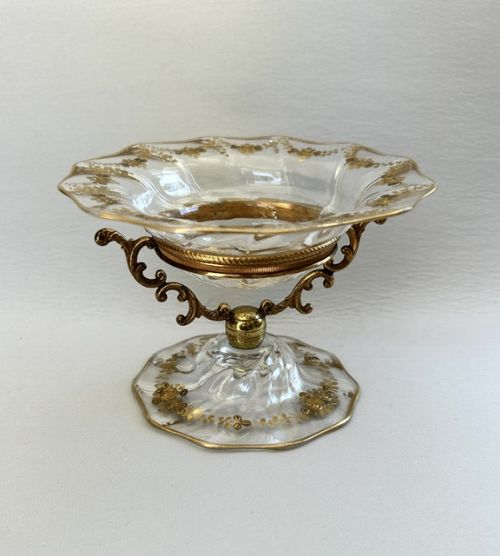
Porcelain manufacturing involved delicate moulding and hand-painting, often seen in French and German figures and lidded dishes. Glass pieces relied on heavy cutting and moulding to create brilliant light refraction in jars and sweetmeat bowls.
Listings feature eighteenth-century Bilston enamel boxes alongside Victorian sterling silver baskets and Edwardian glass sweetmeat dishes.
Evaluating craftsmanship
Quality rests upon the crispness of the hand-painting on enamel surfaces and the precision of the metalwork piercing on silver baskets. Finer items display meticulous detailing in gilt mounts and well-fitted hinges that align properly without excessive play.
The weight and clarity of the glass or crystal, together with the depth of relief in cast silver motifs, distinguish standard production from superior examples. Maker marks and clear hallmarks further separate ordinary wares from documented workshop output.
Edme Samson Of Paris·Fenton Brothers·William Comyns·Meissen
The Antique Bonbonniere Glossary
- Bonbonniere
- A decorative container specifically designed for holding sweets, sugared almonds, or small confections. These objects often feature hinged lids and elaborate exterior ornamentation.
- Enamel
- A smooth substance created by fusing powdered glass to a metal substrate at high temperatures. This technique provided a durable and colourful surface for miniature paintings.
- Patch box
- A small pocket-sized container originally used to hold fabric beauty patches worn on the face during the Georgian era. They share identical manufacturing methods with early bonbonnieres.
- Sweetmeat
- An old-fashioned term for a confection, candy, or preserved fruit. Such delicacies were served from specialised bowls and baskets during formal dining.
- Verneil
- Silver gilt comprising sterling silver plated with a layer of fine gold. This finish offered the rich appearance of solid gold while maintaining structural strength.
Antique Bonbonniere: Frequently Asked Questions
What were antique bonbonnieres used for?
These vessels served elite households as table containers for sugary treats, bonbons, and spiced confections offered to guests after a meal.
Smaller variants functioned as pocket boxes for personal items or cosmetic patches, reflecting the refined social rituals of past centuries.
How do I clean silver baskets?
Cleaning requires warm water, a mild soap, and a soft cloth to remove dust and tarnish without abrading the delicate metal surface.
Harsh chemical dips must be avoided, particularly on pieces featuring gilt highlights, tortoiseshell panels, or delicate pierced work.
Are eighteenth-century enamel boxes fragile?
The fused glass surface on copper can chip or crack if subjected to sharp impacts or sudden changes in ambient temperature.
Careful handling during display and storage preserves the painted scenes and prevents structural damage to the delicate metal hinges.
How can I tell a Bilston box apart?
Bilston enamel boxes typically feature vibrant polychrome paintings on white enamel grounds over a copper base, often with pink or turquoise interior counter-enamelling.
Many examples date from the late eighteenth century and display characteristic thick enamel pooling around the copper edges.