

Antique Bird Ornament
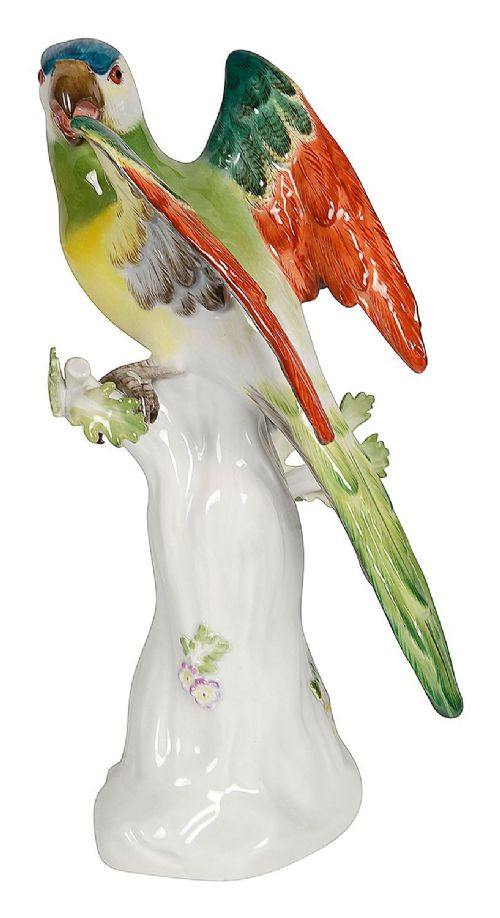
An antique bird ornament brings life to a room, ranging from a cold-painted bronze owl to a porcelain parrot perched on a branch.
Antique Bird Ornament
Buyers encountering this phrase on the page will frequently find works executed in bronze, sterling silver, porcelain, and carved wood dating from the Victorian and Edwardian eras through the Art Deco period.
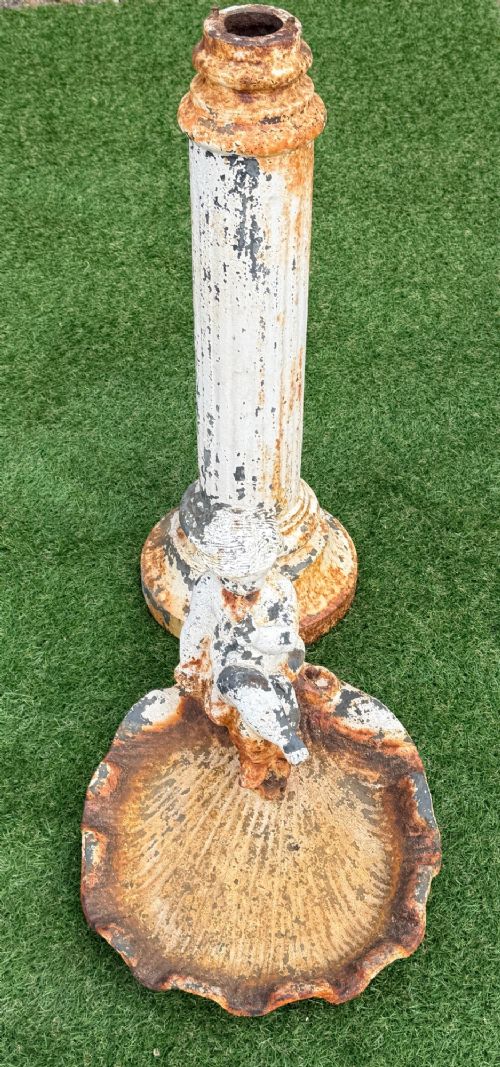
The category spans small desk accessories such as pepper pots and pill boxes, larger mantel sculptures of pheasants and parrots, and garden ornaments including stone bird baths.
Materials and construction
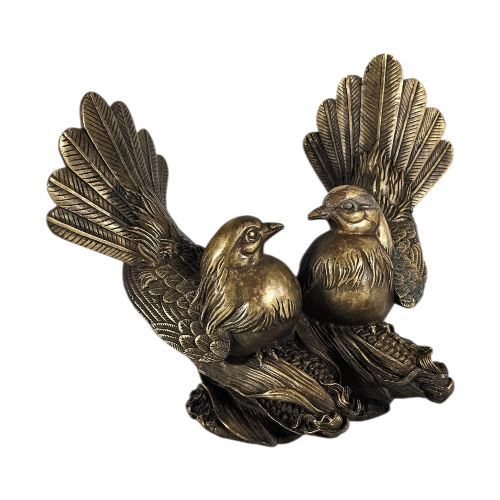
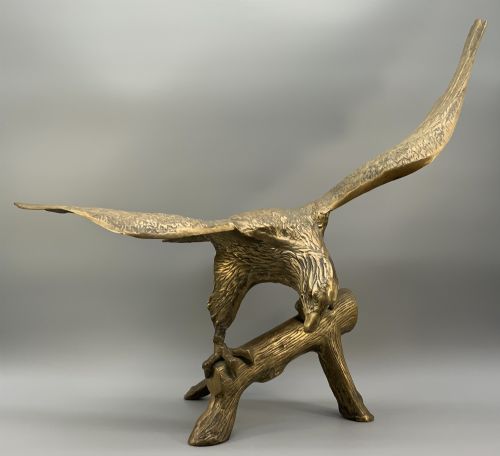
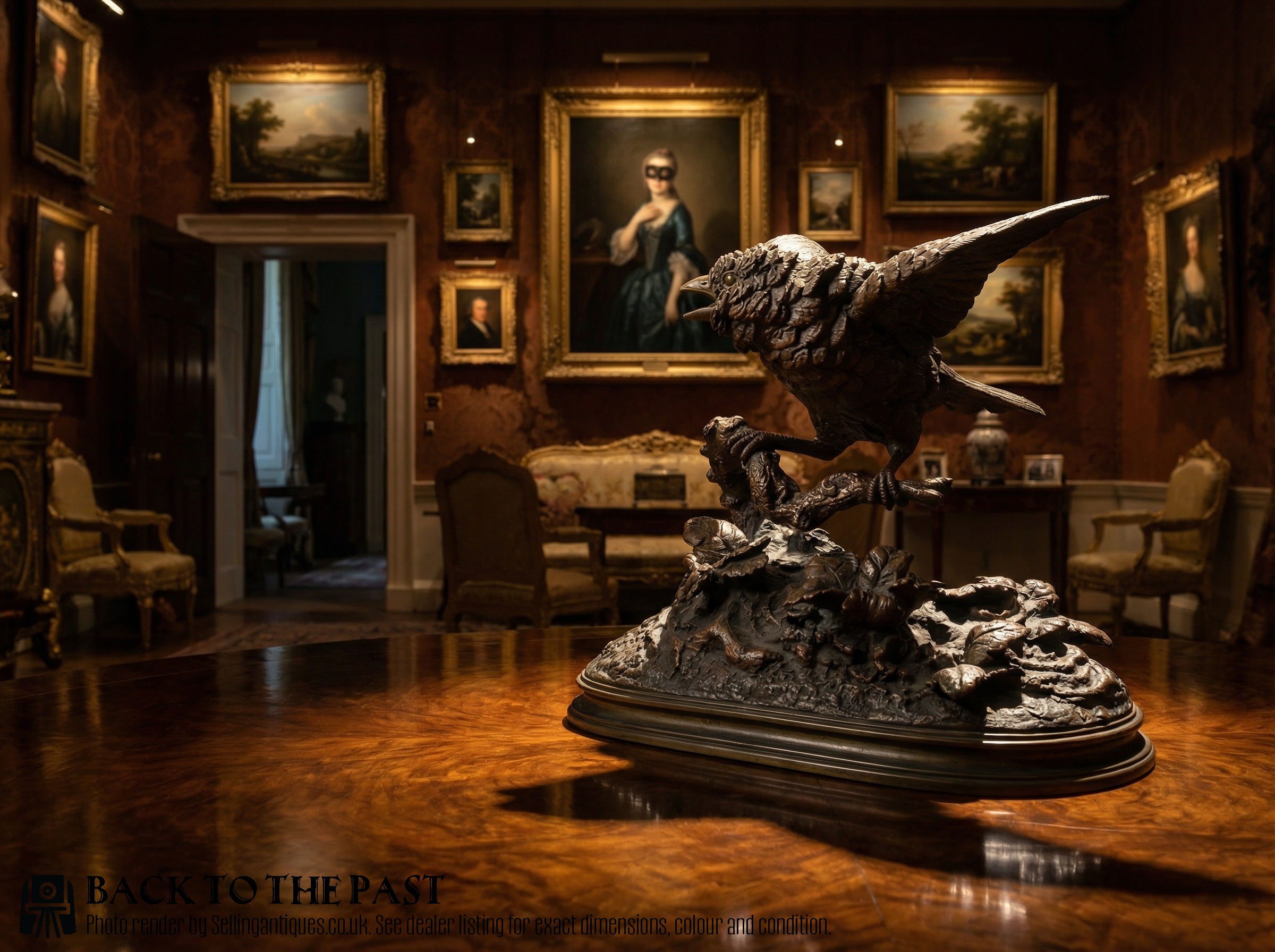
Metal figures rely heavily on casting techniques, particularly the cold-painted bronze method favoured by Viennese workshops where layers of pigment are applied over a bronze base.
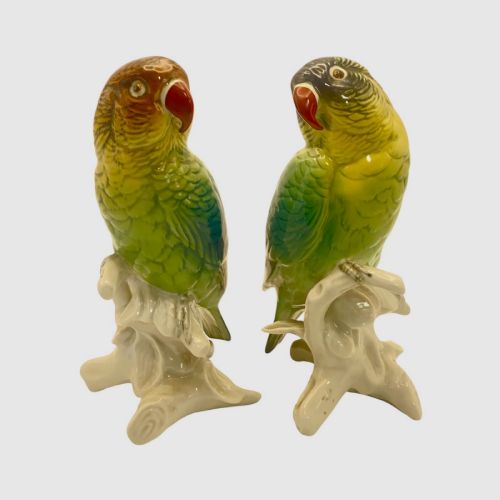
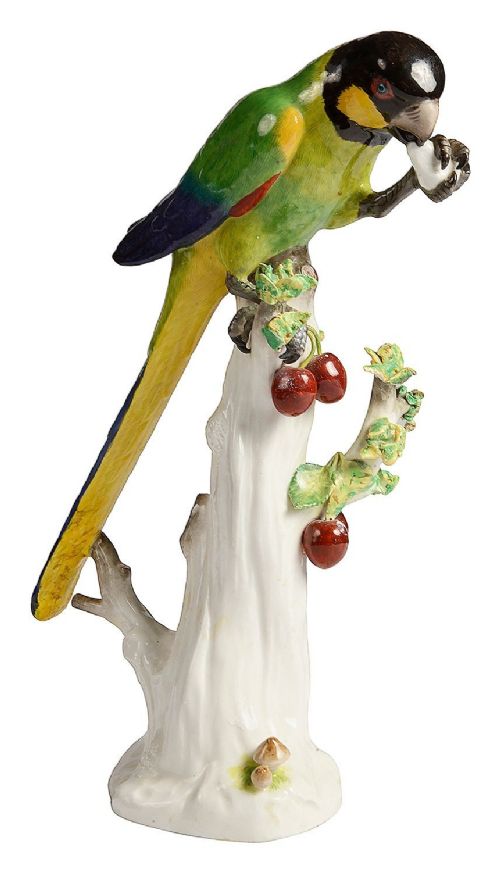
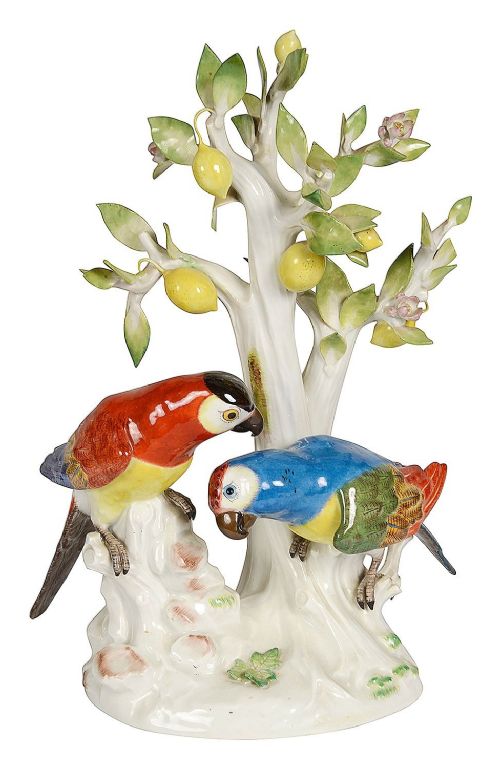
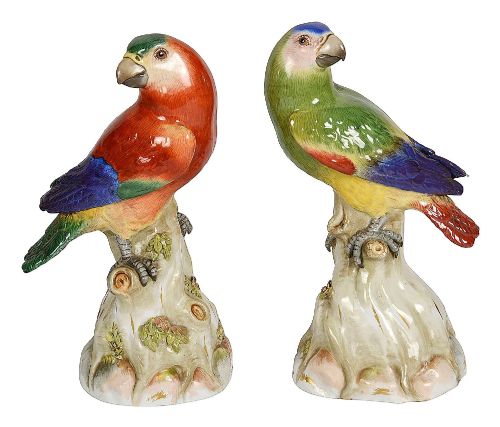
Ceramic pieces involve detailed moulding and hand-painting, seen clearly in porcelain parrots and figures produced by factories like Meissen and Karl Ens.
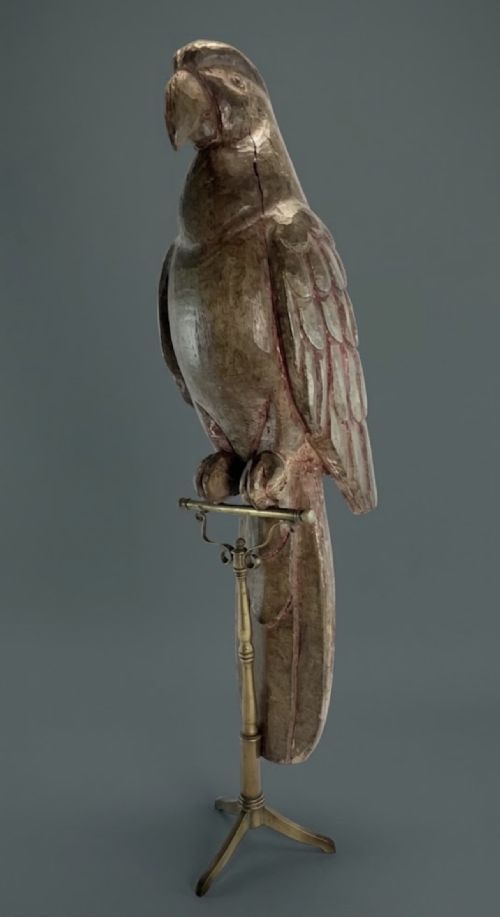
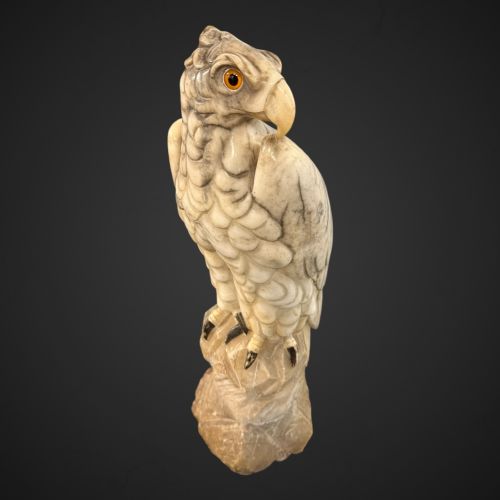
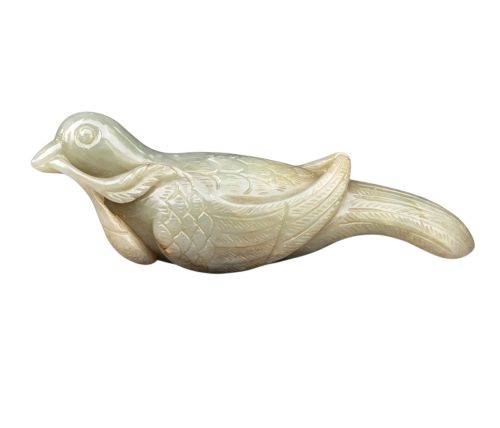
Carved works utilise natural materials such as wood, marble, jade, and stone, often combining sculpted animal forms with fitted stands or plinths.
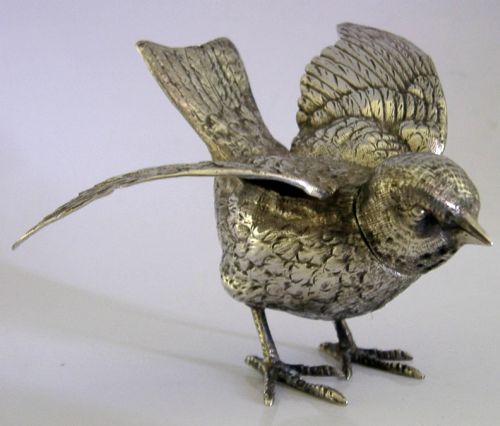
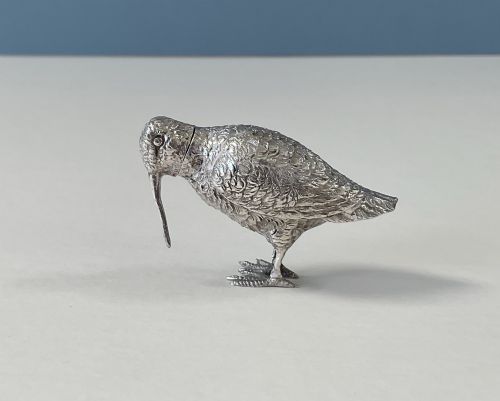
A tiny silver bird sits ready as a pepper pot, guarding the dining table with miniature determination.
Assessing quality
Quality rests upon the precision of the modelling and the finesse of the surface finish, whether that is the preservation of polychrome paint on a bronze study or the crispness of detail in hand-carved wood.
Pinnacles of the range display anatomical accuracy combined with artistic expression, characteristic of recognised makers and periods rather than mass-produced items.
The integrity of the material, from solid sterling silver hallmarks to heavy carved marble and unblemished porcelain glaze, dictates the enduring standing of the piece.
Karl Ens·Franz Bergman·Rene Lalique
The Antique Bird Ornament Glossary
- Cold-painted bronze
- A metal sculpture technique where bronze is cast and subsequently decorated with non-firing oil paints. This method was widely used by Austrian foundries in the late nineteenth and early twentieth centuries.
- Meissen
- A prominent German porcelain manufacturer known for elaborate animal figures and sculptural groups. Pieces often feature hand-painted glazes and naturalistic perching forms.
- Sterling silver
- A silver alloy containing ninety-two point five percent silver by mass, frequently utilised for British animal figurines and tableware. Hallmarks typically stamp the year and place of assay.
- Celadon
- A term for ceramics denoting a pale green jade-like glaze, or applied directly to hardstones like jade. It appears in scholarly East Asian carvings.
- Vienna bronze
- Small-scale cast metal sculptures produced in Austrian workshops during the late nineteenth and early twentieth centuries. They depict animals and human figures with vibrant painted surfaces.
Antique Bird Ornament: Frequently Asked Questions
What periods are common for silver bird figures?
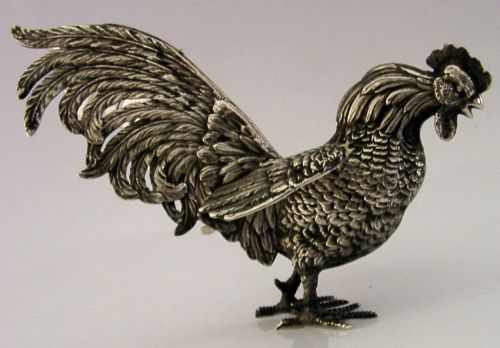
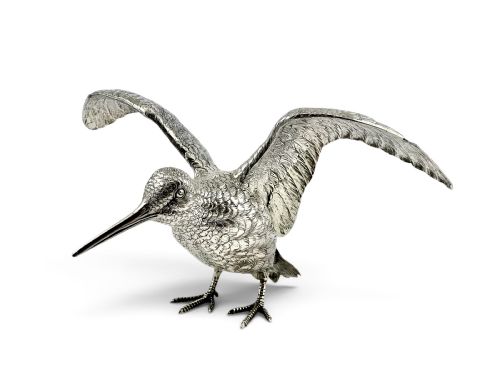
Silver bird figures on this page primarily date from the Victorian, Edwardian, and mid-twentieth-century eras. Makers in London and Birmingham produced realistic models of pheasants, woodcocks, and cockerels.
Assay office stamps and date letters stamped directly into the silver provide precise manufacturing years. These hallmarks help collectors separate late nineteenth-century specimens from post-war pieces.
How were Meissen parrots displayed?
Meissen porcelain parrots were designed as decorative cabinet sculptures meant to sit prominently on tables or mantelpieces. Many examples depict the birds perched naturally upon tree trunks or branches.
Larger models often incorporate intricate foliage and fruit details, such as lemon trees, which add height and structural complexity to the ceramic composition.
Are Art Deco bird sculptures different?
Art Deco bird sculptures lean into streamlined forms and stylised postures, capturing birds like albatrosses, seagulls, and golden pheasants in motion. These pieces utilise materials ranging from bronze and nickel to carved marble.
The aesthetic focuses on clean silhouettes and aerodynamic shapes characteristic of the 1930s design movement. They contrast sharply with the more ornate and naturalistic Victorian approach.