

Antique Bevelled Mirror
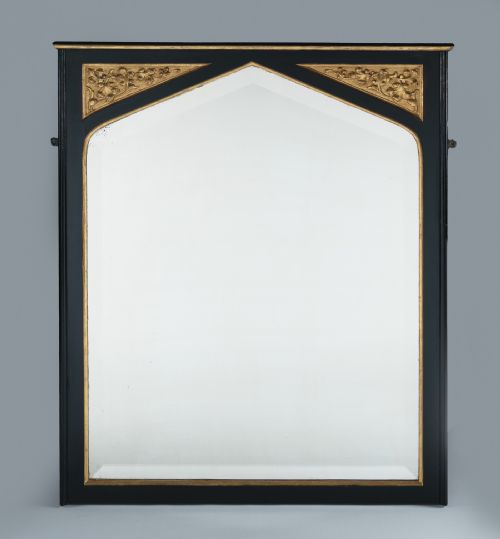
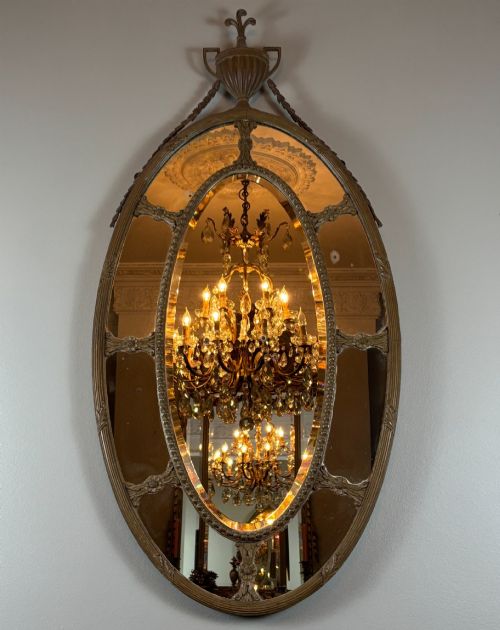
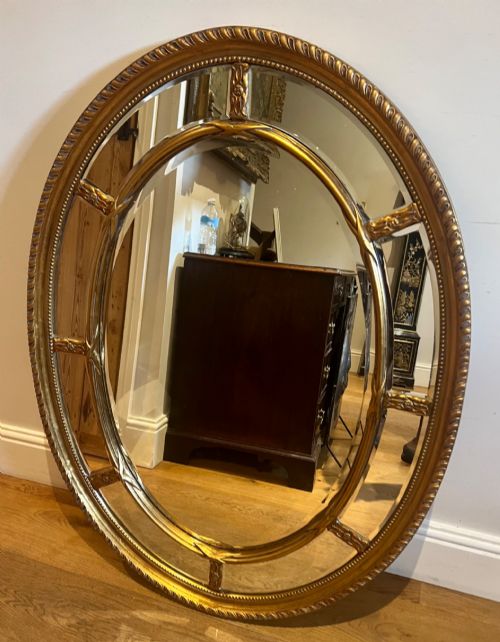
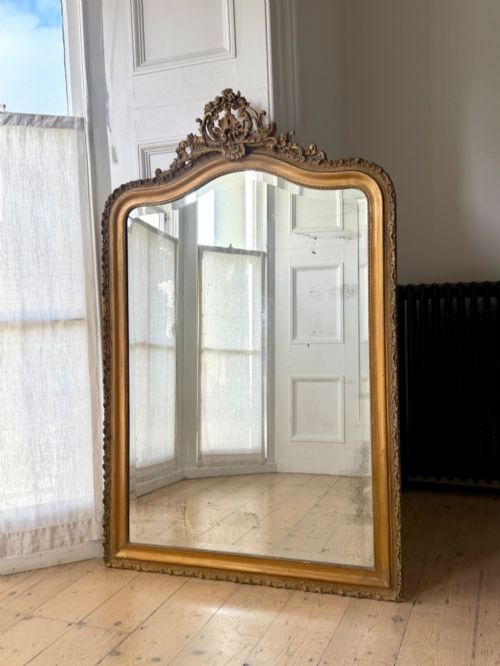
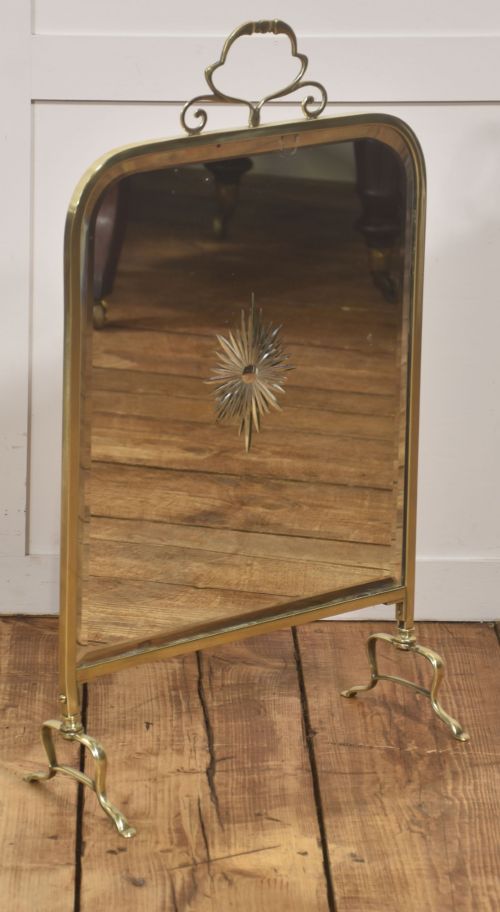
An antique bevelled mirror brings depth and light to a room through angled glass set within period frames from the nineteenth and early twentieth centuries.
Antique Bevelled Mirror
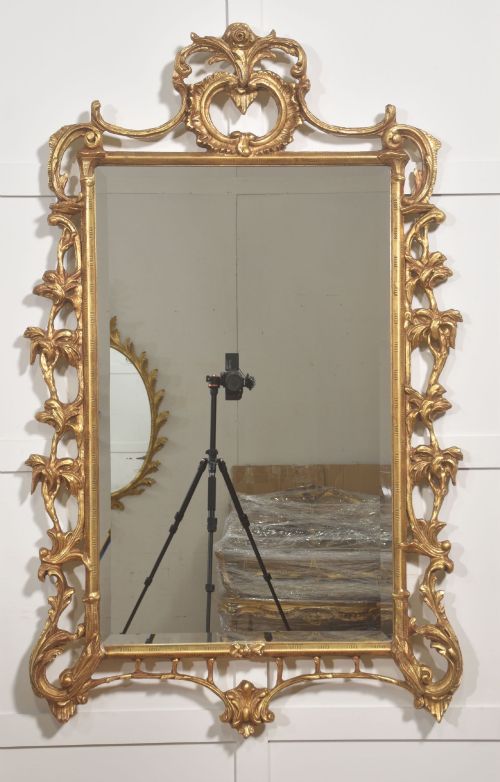
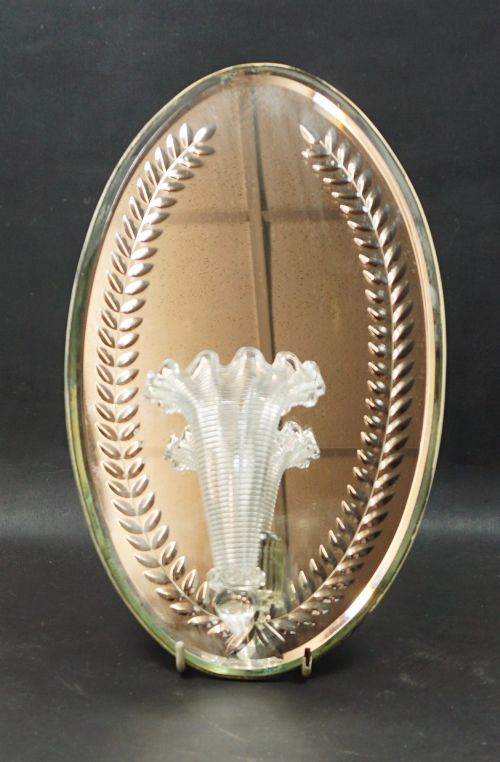
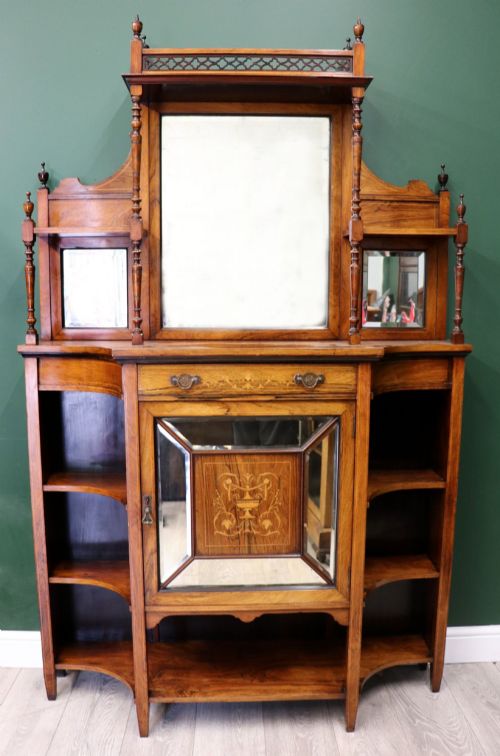
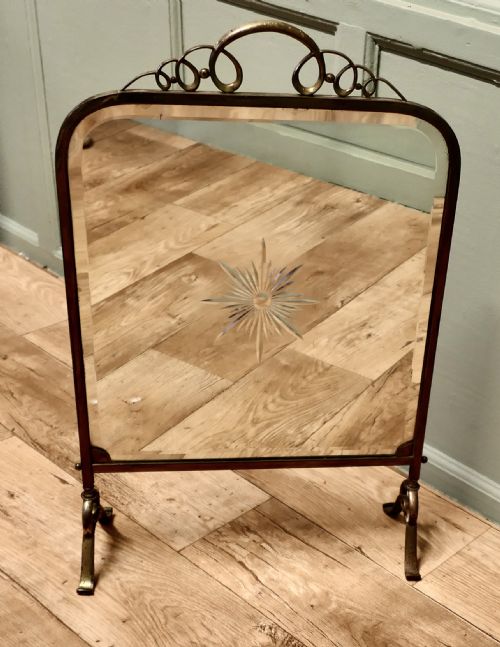
The antique bevelled mirror appears across various domestic forms, with wall mirrors, overmantle mirrors, and dressing mirrors dominating the selection.
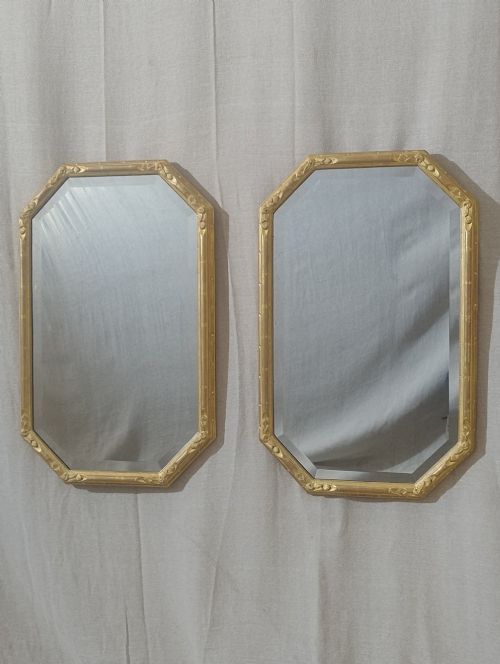
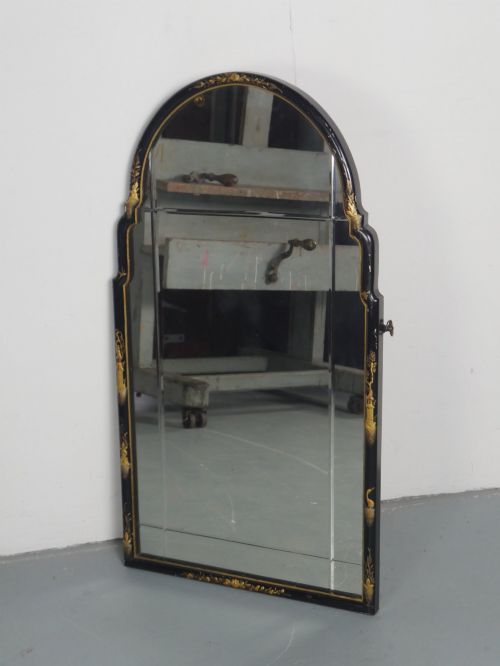
Pieces originate from English, French, and Italian workshops, displaying influences from Victorian, Edwardian, and Art Deco design periods.
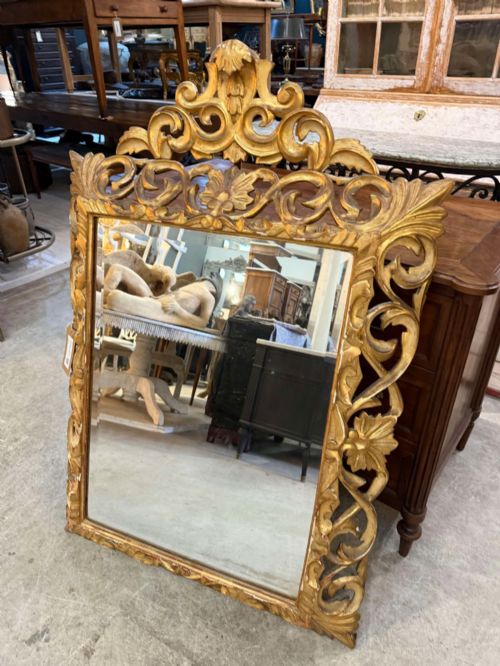
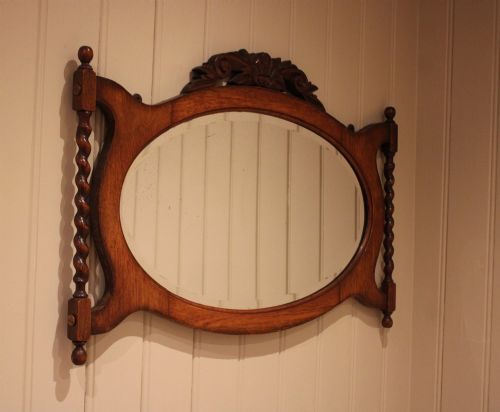
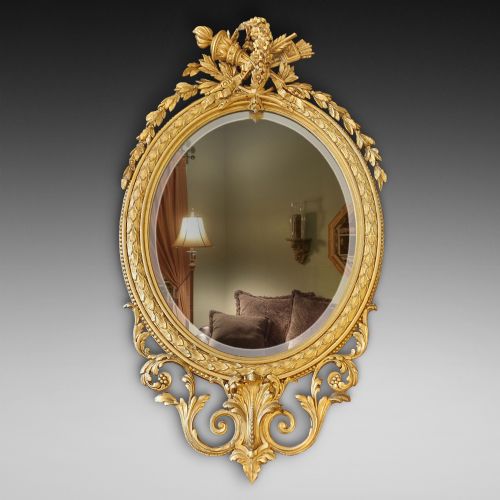
Buyers encounter substantial giltwood frames designed for reception rooms alongside smaller oak and mahogany pieces intended for hallways and bedrooms.
Craftsmanship and Detail
Quality reveals itself in the crispness of carved wooden ornament and the depth of the gilding applied to gesso grounds.
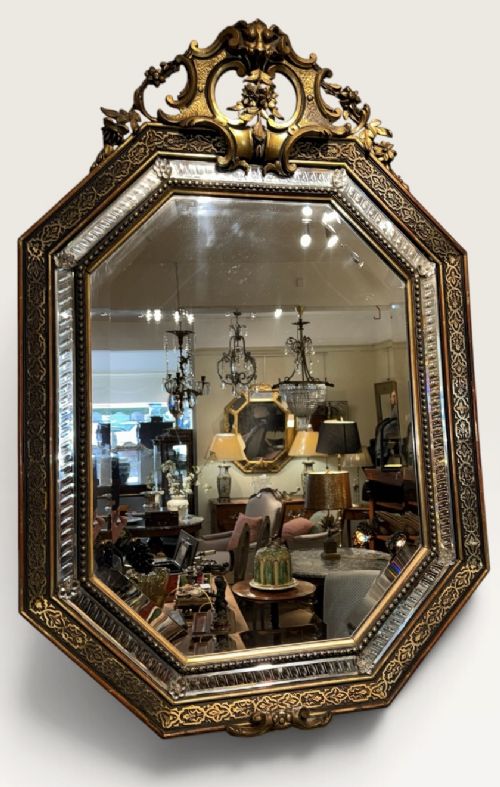
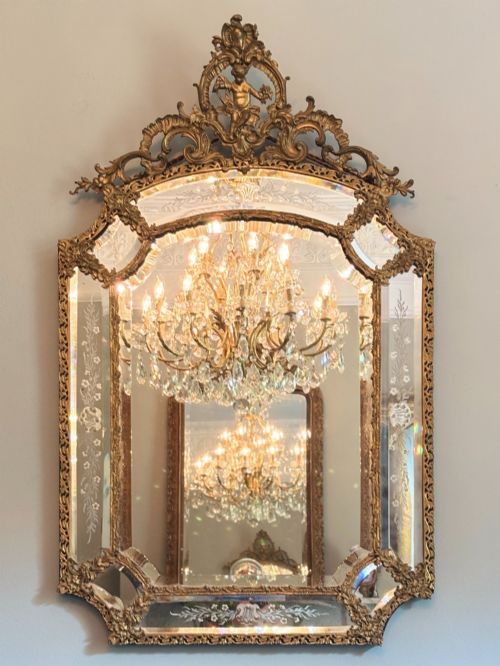
Superior examples retain original mirror plates with authentic silvering and precise edge bevels that catch light evenly across the surface.
Antique Bevelled Mirror Retail Price Guide 2026
Typical asking prices for bevelled mirror among the pieces listed under this phrase on Sellingantiques today, from the lower quarter to the upper quarter. They describe what is for sale here now, not the wider market.
A dragon and dolphin frame vies for attention alongside stately French gilt overmantles and utilitarian haberdashery shop mirrors.
Waring and Gillow·John Belchier·Lamb of Manchester
The Antique Bevelled Mirror Glossary
- Bevelled glass
- Glass with an angled edge ground and polished around the perimeter. This technique creates a prismatic light effect near the frame.
- Giltwood
- Wood carved and coated with gold leaf or metal leaf. It forms the shimmering surface seen on many formal wall and overmantle frames.
- Gesso
- A plaster-like mixture applied to wood frames and carved before gilding. It allows for intricate moulded ornamentation.
- Overmantle mirror
- A large horizontal mirror designed to sit above a fireplace mantel. These pieces frequently anchor the decor of a period reception room.
- Cheval mirror
- A freestanding full-length mirror hung on a pivoting frame. This form allows the glass to tilt for dressing and grooming.
Antique Bevelled Mirror: Frequently Asked Questions
How do I hang a heavy overmantle mirror?
Heavy overmantle mirrors require secure attachment directly into wall studs or masonry using appropriate steel fixings. The substantial weight of giltwood and thick glass demands professional installation to ensure stability.
Distributing the load across multiple fixing points prevents strain on the original wooden frame. Period mirrors often retain robust original hanging loops designed for secure wall mounting.
Are mercury glass mirrors different?
Older mirrors sometimes utilise a mercury and tin amalgam behind the glass rather than modern silver nitrate. This technique produces a characteristic mottled reflection with dark speckles.
Such optical anomalies indicate older manufacturing methods dating prior to the widespread adoption of modern silvering processes in the mid-nineteenth century.
Can I place these mirrors in bathrooms?
High humidity and moisture in bathrooms can damage historic gesso, unsealed wood frames, and silvered glass plates. Placing them in dry reception rooms or hallways preserves the materials.
Environmental stability prevents the wooden structures from warping and protects the delicate edges of the bevelled glass from moisture ingress.
How do I clean antique mirror glass?
Cleaning requires a soft microfiber cloth and mild, non-ammonia cleaning solution applied sparingly. Spraying liquid directly onto the glass can allow moisture to seep behind the plate and degrade the backing.
Wiping gently avoids disturbing any fragile areas where the historic silvering has begun to thin or flake away near the bevelled edges.