




Narrow Wall Mirror
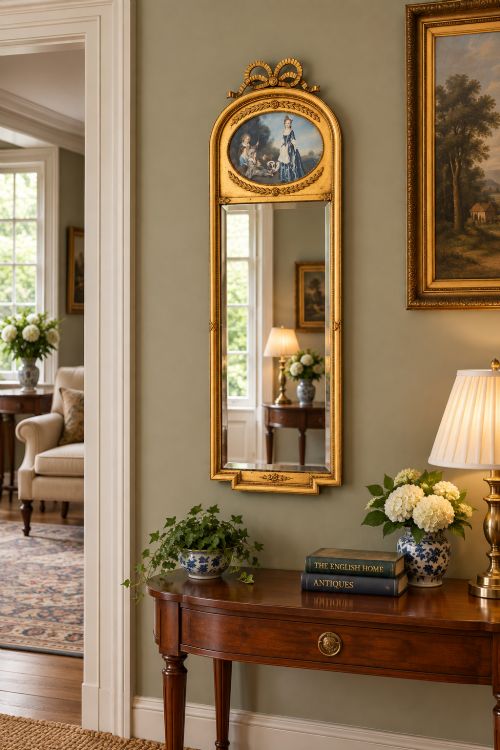
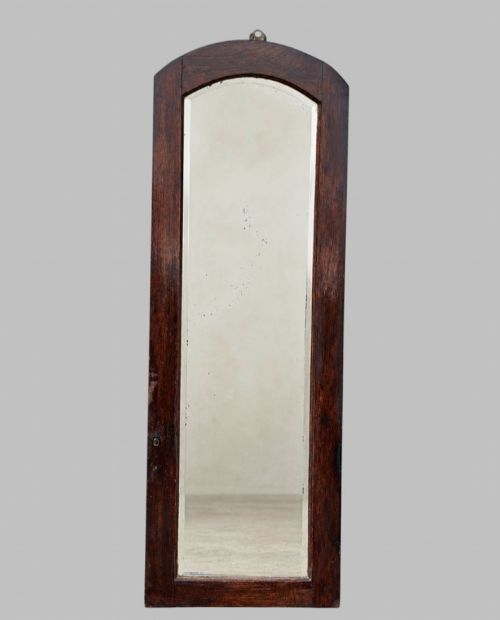
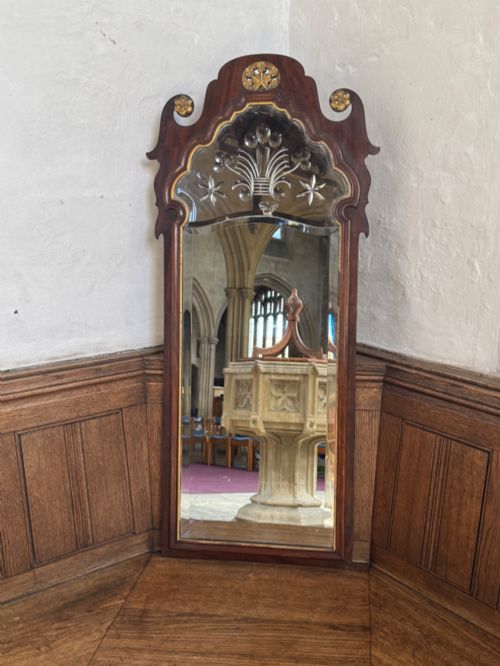
A narrow wall mirror brings light and vertical proportion to a tight space, taking the form of tall pier and dressing glasses.
Narrow Wall Mirror
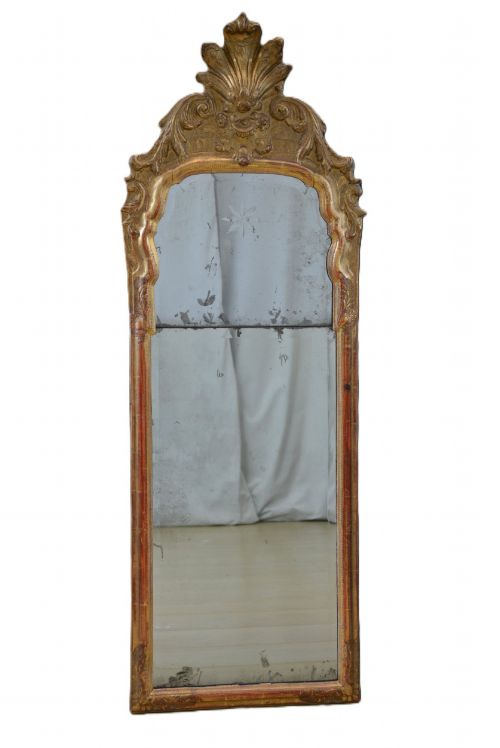
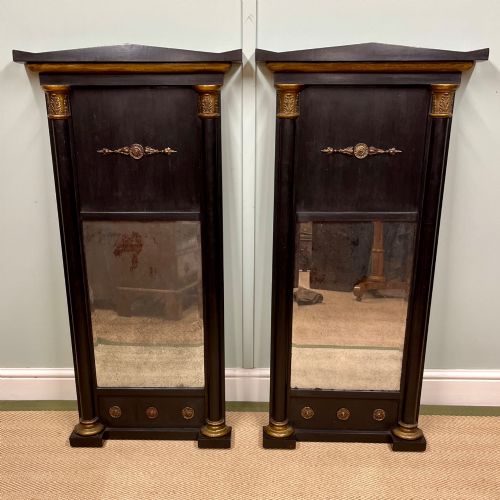
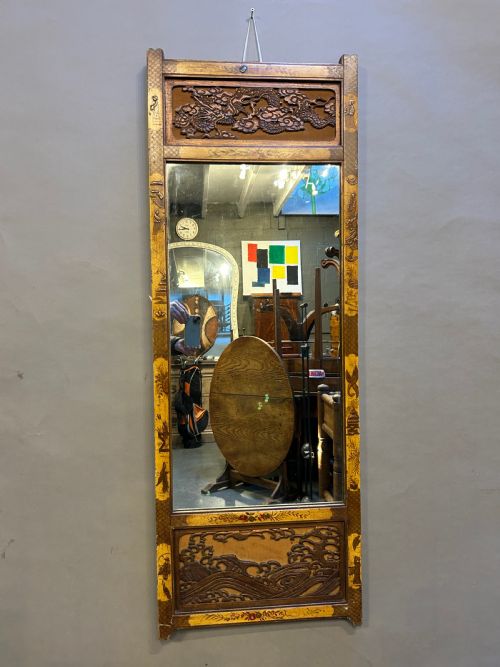
A narrow wall mirror serves as a vertical accent designed to fit slim expanses of wall between windows or above console tables. When searching for a narrow wall mirror, buyers encounter tall pier glasses, dressing mirrors, and architectural panel formats.
The pieces listed on this page span several centuries and stylistic revivals, from Georgian and Regency originals to Edwardian and later interpretations. Victorian and 19th-century examples appear frequently alongside revival pieces referencing George I and Adam designs.
Many of these mirrors function as pier glasses, historically hung on the solid pier of wall between windows to reflect additional light into a room. Their slender proportions make them practical for modern hallways, cloakrooms, and compact living areas.
How they were made
Frames rely heavily on carved wood, gesso, and giltwood, applying metallic leaf or painted finishes over timber foundations such as mahogany, walnut, oak, and rosewood. Craftsmen shaped gesso to build up intricate relief decoration before applying gold leaf or paint.
Glass plates vary from early mercury plates and reverse cut plates to bevelled glass. Makers integrated specialised techniques like japanning, marquetry, and parcel gilding to achieve distinct visual textures.
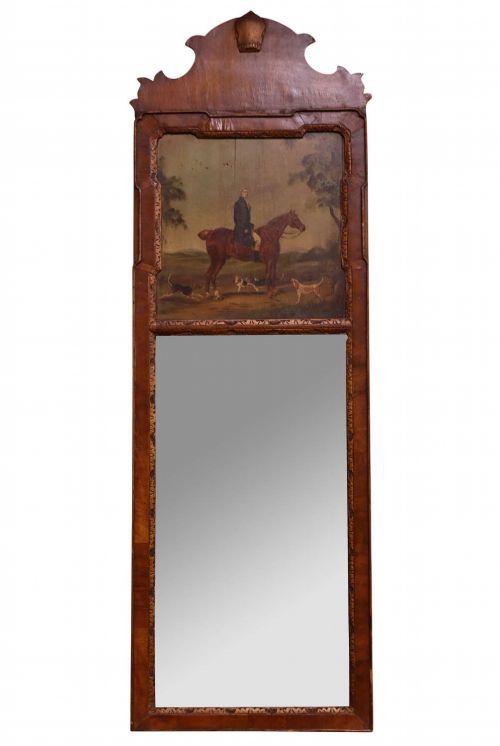
One walnut pier glass arrives equipped with an equestrian oil painting set right into the upper frame.
What varies in quality
Quality rests in the crispness of the hand-carved detail on the wood and gesso frames, where deeper undercutting and refined motifs separate finer pieces from simpler productions. The proportion and weight of the timber frame relative to the glass plate dictate the structural integrity.
The character of the mirror plate itself influences the piece, with original mercury plates or reverse cut plates showing age and depth that distinguish period originals from later replacements.
John Belchier·A.J Rowley
The Narrow Wall Mirror Glossary
- Pier mirror
- A tall, narrow glass designed to hang on the wall space between two windows. These pieces often coordinate with matching console tables placed directly below them.
- Gesso
- A plaster-like mixture applied to wood frames and carved or moulded into decorative relief before gilding. It provides a smooth base for gold leaf and paint.
- Parcel gilt
- A finish where only specific carved portions of a painted or wooden frame are gilded with gold leaf. This technique highlights particular ornamental details.
- Japanning
- A European imitation of East Asian lacquerwork using resin-based varnishes and paints, often applied in red or dark tones. It creates a glossy, decorative surface.
- Mercury plate
- An older mirror glass manufacturing method using a tin and mercury amalgam behind the glass. It produces a characteristic mottled reflection.
Narrow Wall Mirror: Frequently Asked Questions
Where should I hang a narrow wall mirror?
These mirrors suit confined wall spaces, particularly between windows, in narrow hallways, or above compact console tables.
Their vertical orientation draws the eye upward and maximises light reflection in smaller rooms without overwhelming the available wall space.
What is a pier mirror?
A pier mirror is a tall and slender looking glass historically positioned on the solid wall between two architectural openings.
They frequently pair with console tables and were designed to bounce daylight back into dark period rooms.
How do I identify a period frame?
Frame materials, construction methods, and surface treatments like gesso, japanning, or parcel gilding point toward specific historical eras.
Stylistic revivals also emulate earlier Georgian or Regency aesthetics, combining traditional forms with later manufacturing techniques.
Are original mirror plates common?
Some pieces retain original mercury plates or bevelled glass, showing age-related foxing and oxidation.
Other mirrors feature later replacement glass plates while keeping their antique wooden and giltwood frames intact.