


Vintage Oak Mirror
A vintage oak mirror brings solid timber grain and practical reflection to a hallway or bedroom, shaped by decades of domestic use.
Vintage Oak Mirror
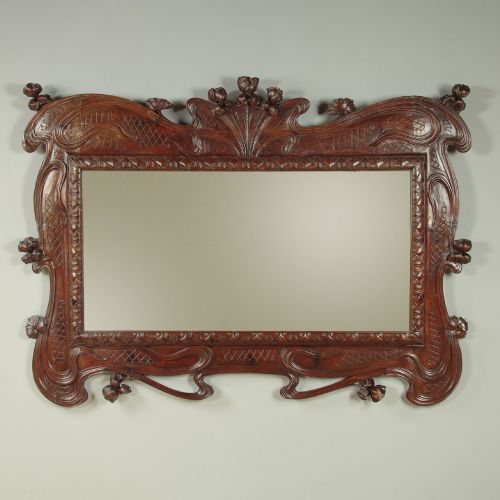
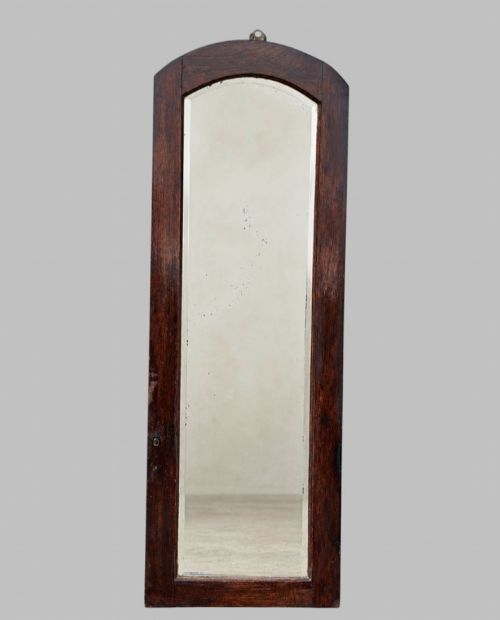
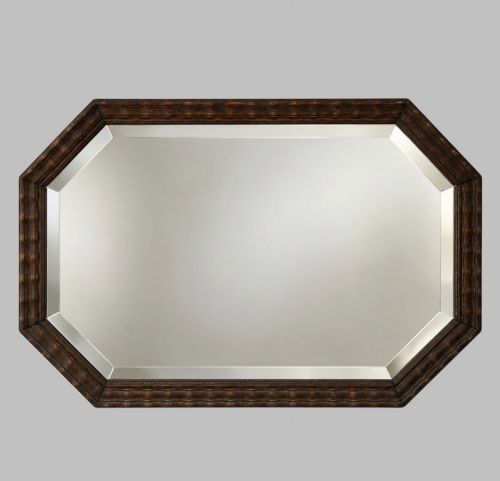
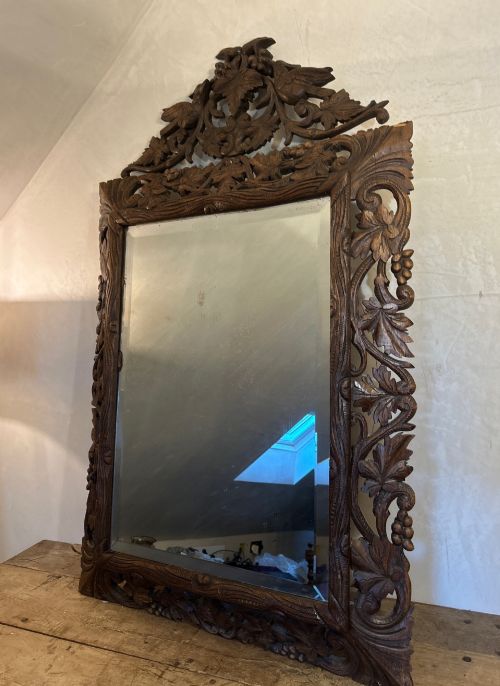
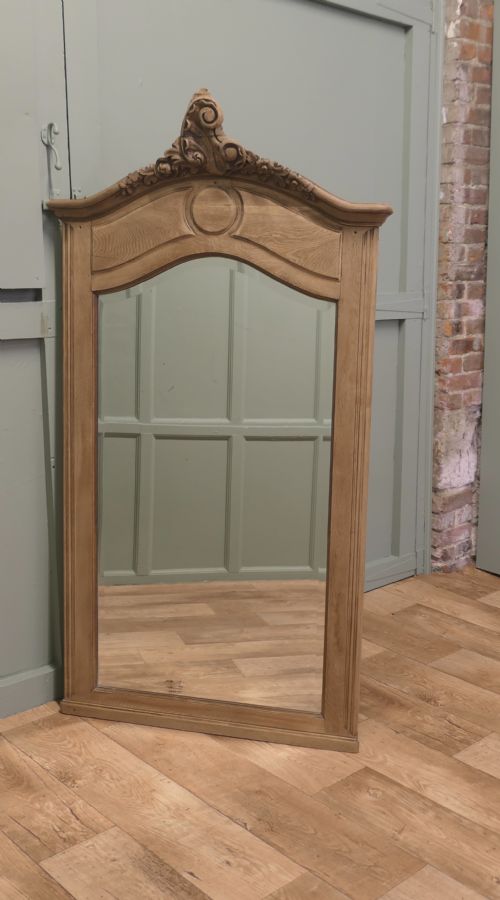
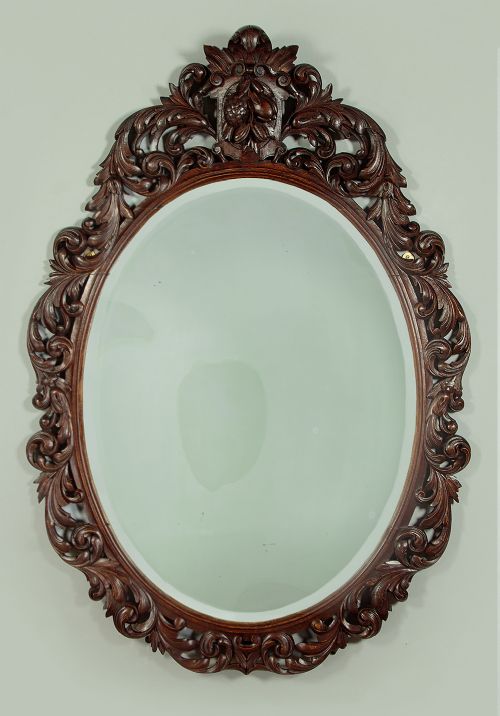
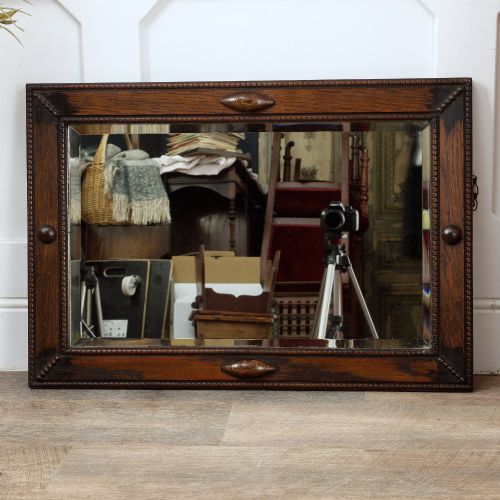
A vintage oak mirror is a timber-framed looking glass originating from the late nineteenth century through to the interwar period. These pieces emerge in styles ranging from plain rectangular wall formats to ornate carved Victorian overmantles and arched Edwardian designs.
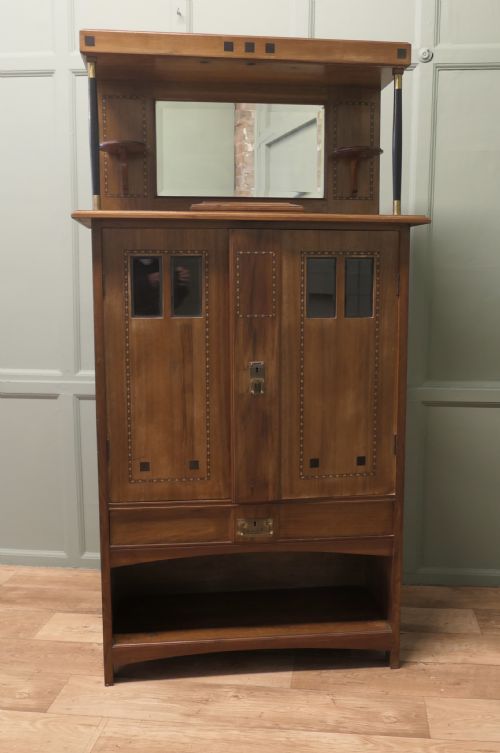
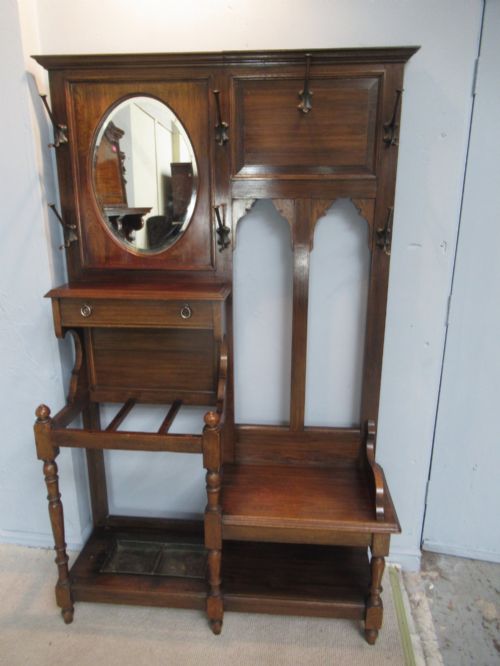
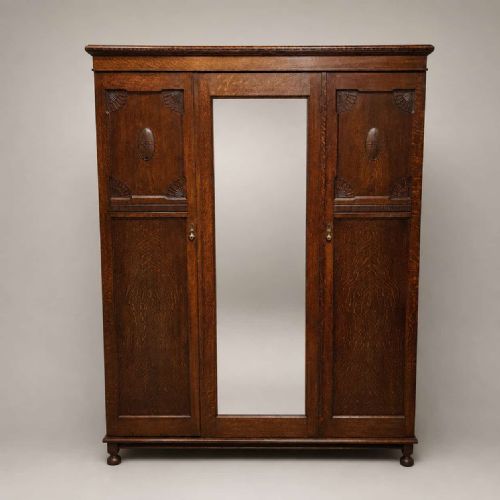
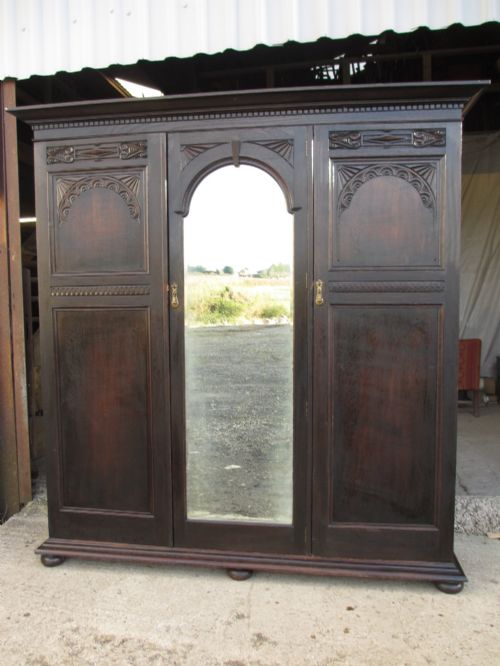
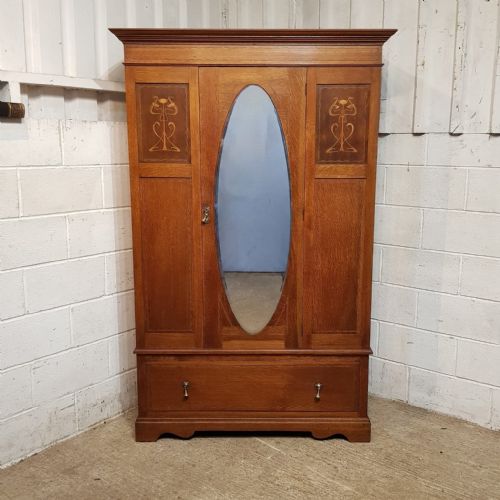
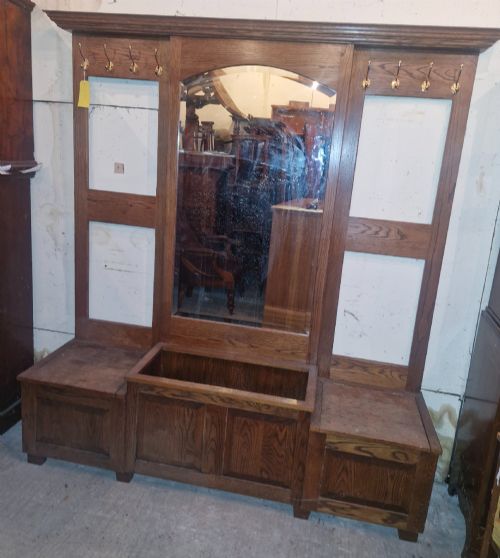
Most examples found here take the form of wall-mounted looking glasses or dressing table mirrors. They appear alongside larger pieces of furniture that incorporate reflective glass, such as hall stands, wardrobes, and sideboard backsplashes.
The materials span standard dark timber, golden tones, bleached oak, and limed finishes, paired with bevelled glass plates. Iron, brass, and metal details frequently support the wooden frames or provide hanging hardware.
How they were made
Frames rely on solid oak construction, sometimes utilising lighter blonde timbers or limed treatments popular during the early twentieth century. Joinery methods include mortise and tenon joints for structural stability around the glass plate.
Carving is frequently executed by hand, displaying floral motifs, geometric patterns, or linear mouldings typical of Arts and Crafts, Art Nouveau, and Revival movements. Brass and metal fittings, such as hooks and hinges, are secured directly to the wooden backing.
Glass plates are commonly bevelled at the edges to catch the light, then set into rebates within the wooden frame. Older pieces often retain their original mirrored glass, which can exhibit light foxing and oxidation.
Listings feature oak mirrors spanning the Victorian, Edwardian, and Art Deco periods, alongside Arts and Crafts and Art Nouveau designs.
What varies in quality
Quality depends upon the crispness of the timber carving and the depth of the oak grain. Pieces featuring hand-carved detailing display greater individual character than simpler moulded frames.
The condition and clarity of the mirror plate itself influence the overall standard. Original bevelled glass with minimal silvering degradation represents a higher grade of manufacture.
Substantial framing timbers and robust rear wooden panels indicate superior cabinet-making. Lighter construction or replaced backing boards alter the original integrity of the piece.
Waring & Gillow·Heals
The Vintage Oak Mirror Glossary
- Bevelled glass
- A glass mirror plate with an angled, polished edge designed to refract light. This technique adds depth to the overall appearance of the looking glass.
- Overmantle mirror
- A large horizontal mirror designed to sit directly above a fireplace mantelpiece. These often feature architectural mouldings or carved wooden frames.
- Arts and Crafts
- A design movement prioritising traditional craftsmanship and simple forms. Objects from this style display honest construction and minimal, often botanical, carved decoration.
- Limed oak
- A wood finishing technique that leaves a white or pale pigment in the grain of the timber. This treatment lightens the appearance of the oak.
- Foxing
- Small dark spots and speckles that develop on older mirror plates as the reflective silver backing ages. It is a natural sign of age in vintage glass.
Vintage Oak Mirror: Frequently Asked Questions
How do I hang a heavy oak mirror safely?
Heavy wooden frames require secure wall fixings screwed directly into masonry or timber studs rather than standard plasterboard plugs. Using a sturdy picture wire or integrated metal brackets distributed evenly across the back ensures the weight is supported properly.
Check that the hanging loops or D-rings screwed into the oak frame remain firmly anchored before mounting the piece at eye level.
Can I place an oak mirror in a bathroom?
Oak is a durable hardwood, but continuous high humidity and steam can damage both the timber grain and the silvered backing of the glass. Bathrooms with good ventilation are suitable, provided the mirror is kept away from direct water splashes.
Period mirrors with original glass require particular care, as moisture can accelerate the formation of foxing and rust around the frame joints.
How do I clean antique mirror glass?
Apply a mild, ammonia-free glass cleaner to a soft microfibre cloth rather than spraying the liquid directly onto the glass. This prevents moisture from seeping behind the frame and damaging the wooden rebate or the silver backing.
Wipe the surface gently in straight strokes and dry thoroughly with a clean cloth to avoid streaks.
What is the difference between Edwardian and Victorian oak mirrors?
Victorian oak mirrors tend to be heavier and darker, often featuring deep relief carving, architectural pediments, and massive proportions suited to formal interiors. They frequently form part of large overmantles or hall stands.
Edwardian examples often embrace lighter golden oak tones, cleaner lines, and influences from the Arts and Crafts movement, resulting in a more restrained aesthetic.