

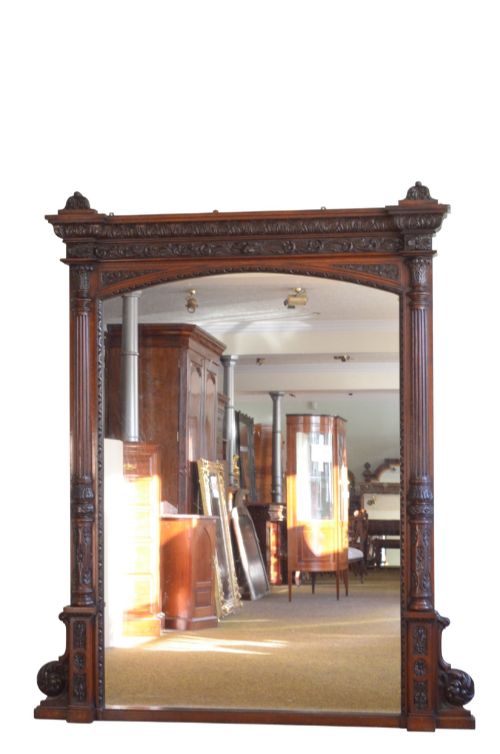
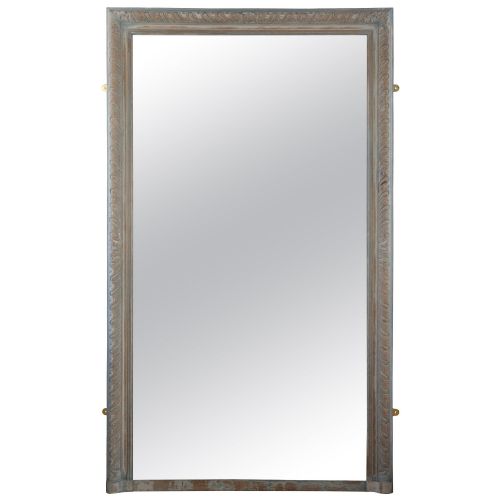


Oak Full Length Mirror
An oak full length mirror brings substance and scale to a room, offering the sturdy warmth of timber combined with generous reflective glass.
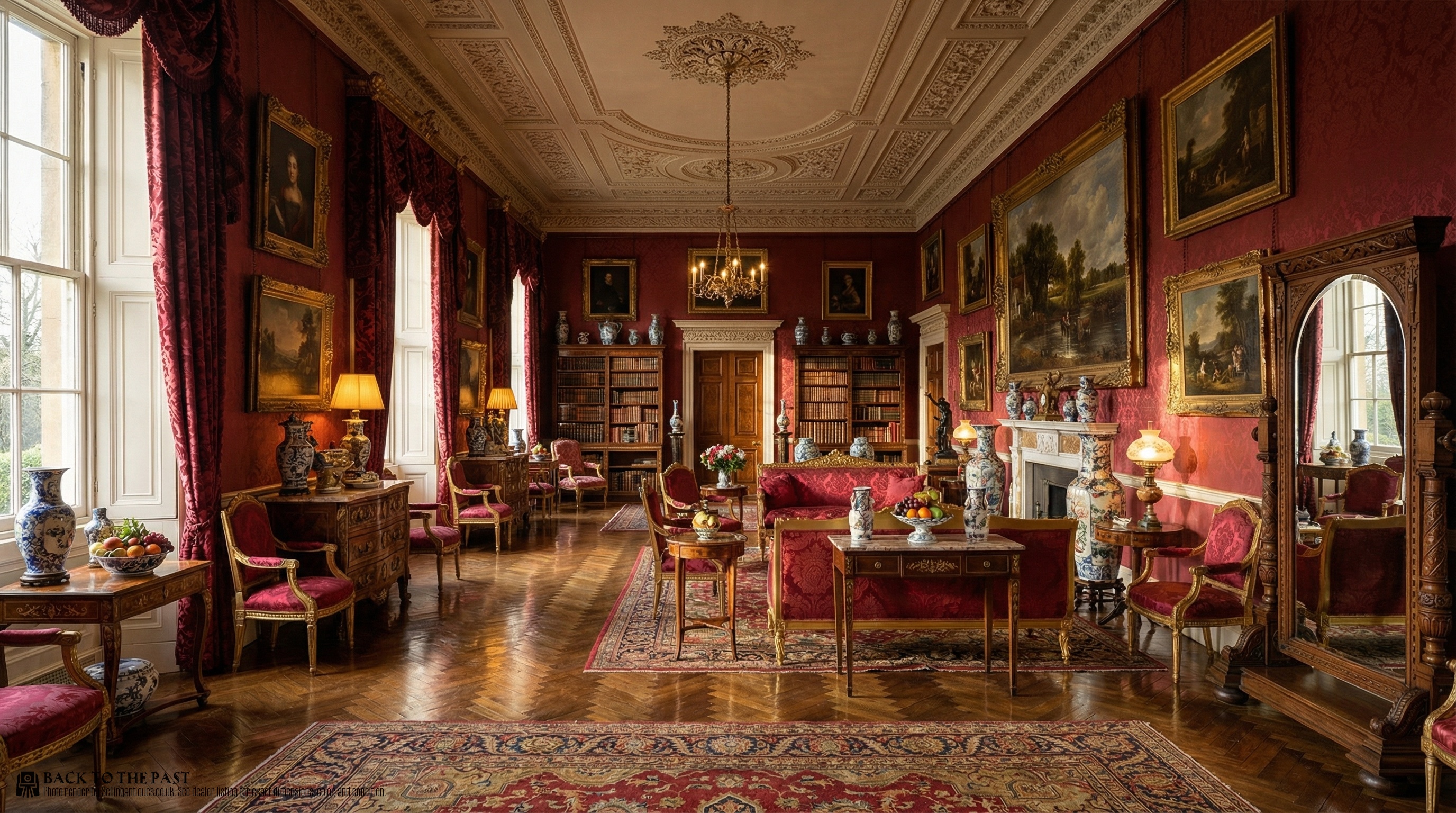
Oak Full Length Mirror
An oak full length mirror is a practical and substantial furnishing designed to reflect the entire figure, standing tall either as a floor-standing cheval mirror, a leaner mirror, or incorporated into dressing furniture. When you search for an oak full length mirror, you encounter pieces that range from imposing Victorian Gothic Revival designs to simpler Edwardian and 20th-century forms.
The versions most frequently met on this page include freestanding cheval mirrors mounted on pivots, tall wall-hanging or leaner mirrors, and dressing chests featuring integrated full length mirrors. These objects bridge utility and decorative presence, utilising the distinct grain and strength of oak to frame expansive glass.
Originating across the nineteenth and early twentieth centuries, these mirrors showcase styles such as English Country, Late Victorian, and French Chateau influences. Whether standing independently on four legs or resting against a wall, each piece brings the robust character typical of oak furniture from these periods.
How they were made
The construction of these pieces relies heavily on solid oak and wood, often enhanced by carved details, ebonised wood highlights, or satinwood inlays. Frames are built to support considerable weight, particularly given the size of the glass panels utilised.
Many examples incorporate bevelled glass and brass fittings, such as adjustable pivots on cheval frames or decorative hooks and brackets. Joinery methods reflect the period of manufacture, securing heavy timber frames around large reflective surfaces.
Oak Full Length Mirror Retail Price Guide 2026
Typical asking prices for oak full length mirror among the pieces listed under this phrase on Sellingantiques today, from the lower quarter to the upper quarter. They describe what is for sale here now, not the wider market.
Listings feature items spanning the nineteenth and twentieth centuries, incorporating materials such as oak, brass, marble, and bevelled glass.
What varies in quality
Quality in these mirrors is determined by the depth and crispness of carved details on the oak frame, alongside the clarity and preservation of the glass. Superior pieces display thoughtful proportions, robust construction using solid timber, and harmonious integration of brass or contrasting wood elements.
The sophistication of the joinery and the presence of maker attribution or distinctive regional styling separate standard utilitarian items from finer decorative examples. Finer mirrors maintain structural integrity at height, ensuring the frame supports the glass securely without warping.
Waring and Gillow·Heals
The Oak Full Length Mirror Glossary
- Cheval mirror
- A freestanding full-length mirror hung on vertical pivots within a frame, allowing the glass to tilt. This form became popular in the nineteenth century for dressing rooms.
- Leaner mirror
- A large wall mirror designed to stand upright while leaning directly against a wall rather than being hung from brackets. These pieces offer an expansive reflective surface.
- Bevelled glass
- Glass featuring an edge that has been cut and polished to an angled perimeter. This technique adds a decorative prismatic border to the reflection.
- Gothic Revival
- An architectural and decorative style drawing inspiration from medieval design, featuring pointed arches and heavy carving. In mirrors, this translates to robust oak framing with ecclesiastical motifs.
Oak Full Length Mirror: Frequently Asked Questions
How do I secure a heavy oak leaner mirror?
Heavy oak leaner mirrors require proper anchoring to the wall to prevent tipping, particularly in rooms with high foot traffic. Using robust wall straps or brackets attached securely to the masonry or studs ensures safety while maintaining the intended angle.
Position the mirror on a stable floor surface, ensuring the weight distributes evenly between the base of the frame and the wall fixings.
What is a cheval mirror used for?
A cheval mirror is designed as a freestanding dressing mirror that tilts on vertical pivots, allowing the user to adjust the angle of reflection. Historically placed in bedrooms or dressing rooms, it provides a full-length view without requiring wall attachment.
Its pivoting mechanism makes it a flexible addition to spaces where wall hanging is impractical or where adjustable angles are preferred.
How do I date an antique oak mirror?
Dating an antique oak mirror involves examining the construction techniques, hardware, and stylistic indicators such as carving motifs or bevelled glass edges. Victorian and Edwardian pieces often exhibit distinct joinery and timber patination characteristic of their specific decades.
Comparing the style against known period designs and checking for maker marks or labels provides further clarity on the age of the piece.
Where should I place a full length mirror?
Full length mirrors work effectively in bedrooms, hallways, or dressing areas where they serve both a practical function and help bounce light around the room. Placing them opposite a window maximises natural light distribution.
Ensure there is sufficient clearance in front of the mirror to step back and view the entire reflection comfortably.