

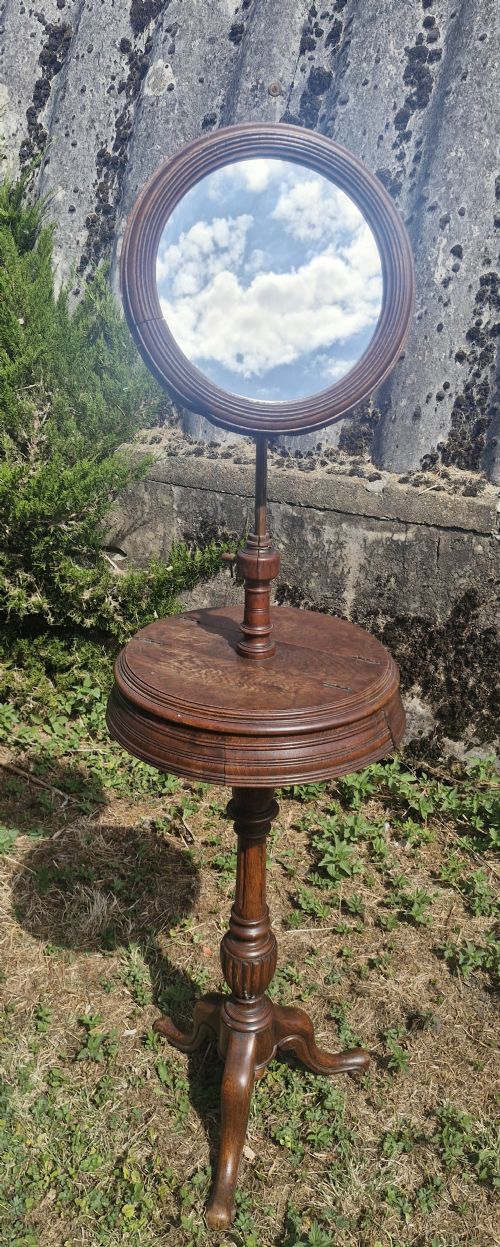


Freestanding Oak Mirror
These freestanding oak mirror examples offer solid timber framing and adjustable glass for daily utility.
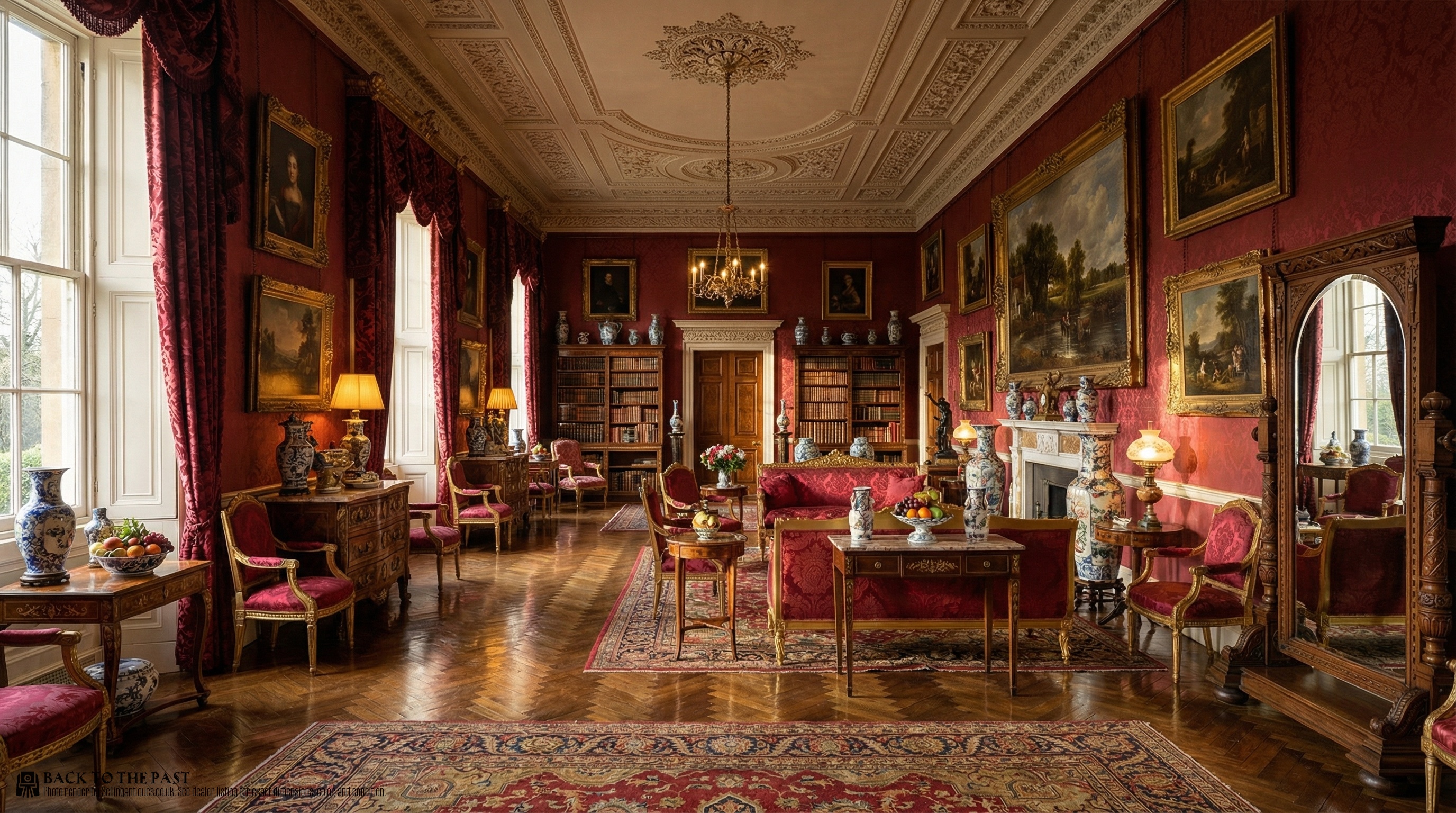
Freestanding Oak Mirror
A freestanding oak mirror provides a dedicated reflective surface supported independently on a floor or table rather than fixed to a wall. When searching for a freestanding oak mirror, buyers encounter various formats including tall cheval mirrors, small dressing table swings, and combined hallstands.
The pieces listed span multiple historical periods from the nineteenth century through the Edwardian era and into the early twentieth century. Common stylistic influences appearing alongside standard Victorian and Edwardian pieces include Arts and Crafts, Art Nouveau, and Rococo Revival.
How they were made
Makers utilised solid oak timber to construct sturdy framing capable of supporting heavy glass panels. Carved ornamentation often decorates the wooden structures, particularly on pieces influenced by Gothic, Rococo, or Arts and Crafts movements.
Hardware components such as brass brackets, pivots, and hooks provide functional movement and hanging space. Glass panels frequently feature bevelled edges and fit securely within rebated wooden frames.
Freestanding Oak Mirror Retail Price Guide 2026
Typical asking prices for freestanding oak mirror among the pieces listed under this phrase on Sellingantiques today, from the lower quarter to the upper quarter. They describe what is for sale here now, not the wider market.
Listings feature oak items spanning Victorian, Edwardian, and early twentieth-century periods with glass, brass, and wood materials.
What varies in quality
Quality differentiates through the depth of hand-carving and the choice of solid timber versus simpler construction. Finer examples display meticulous joinery and integrated functional elements like brass hardware that operate smoothly.
The clarity and weight of the glass plate, alongside the sophistication of stylistic details such as Arts and Crafts lines or Rococo Revival moulding, separate standard utility items from more ambitious workshop productions.
Waring and Gillow
The Freestanding Oak Mirror Glossary
- Cheval mirror
- A tall freestanding mirror suspended on a central pivot between two vertical posts. This allows the glass to tilt at various angles.
- Bevel edge
- An angled perimeter cut along the edge of the glass plate. It catches the light and adds a decorative finish to the mirror.
- Shaving stand
- A combination piece featuring an adjustable mirror mounted above a small table or stand with storage. Gentlemen utilised these for daily grooming.
- Hallstand
- A piece of furniture placed near an entrance that integrates a mirror with hooks and umbrella storage. Oak examples provide heavy framing for hallway use.
Freestanding Oak Mirror: Frequently Asked Questions
What rooms suit a freestanding oak mirror?
These mirrors suit bedrooms, hallways, and dressing areas where independent placement is necessary without wall fixings.
Larger cheval formats fit bedroom corners, while tabletop or hallstand variants integrate into smaller entrance spaces.
How do I tilt the mirror glass?
Most pivoting frames utilise side screws or brass trunnions that allow the glass to angle forward or backward.
Adjusting these pivot points gently ensures the glass remains at the desired viewing angle.
What is an Arts and Crafts oak mirror?
An Arts and Crafts example emphasises honest construction, visible grain, and simple functional lines rather than heavy ornamentation.
These pieces often feature solid oak frames with subtle hand-finished details characteristic of early twentieth-century workshops.
Are these mirrors heavy to move?
Solid oak framing and thick glass plates give these pieces substantial weight and stability.
Floor-standing cheval versions require two people to relocate safely across different rooms.