




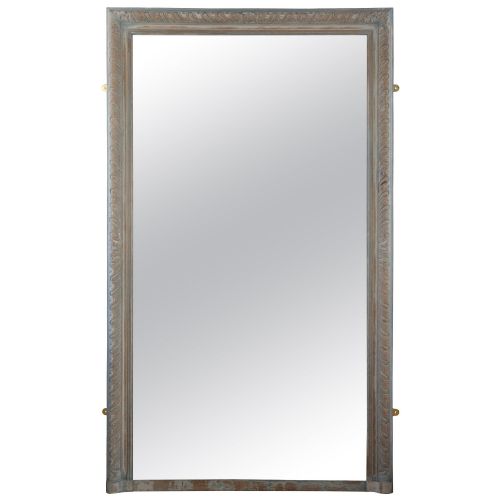
Oak Dressing Mirror
When you search for an oak dressing mirror, you are looking at utilitarian bedroom furniture that spans from the late nineteenth century into the modernist period.
Oak Dressing Mirror
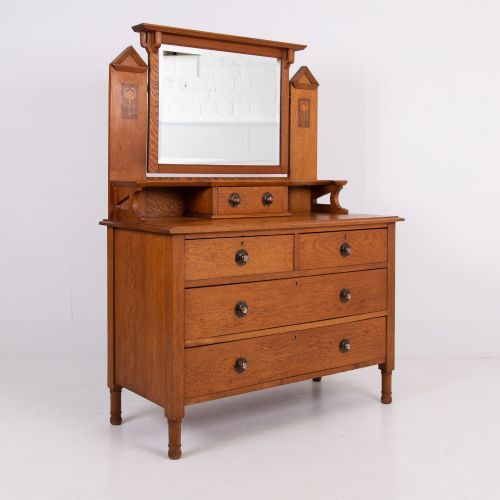
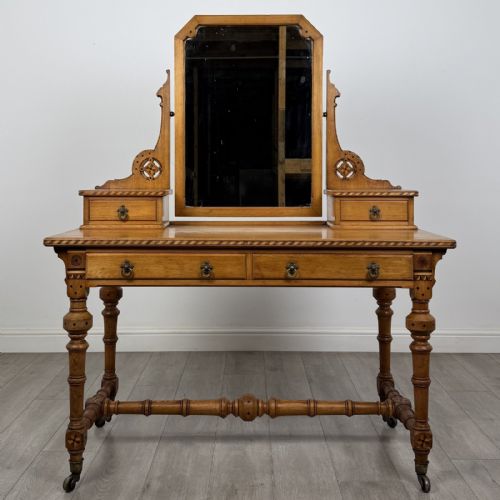
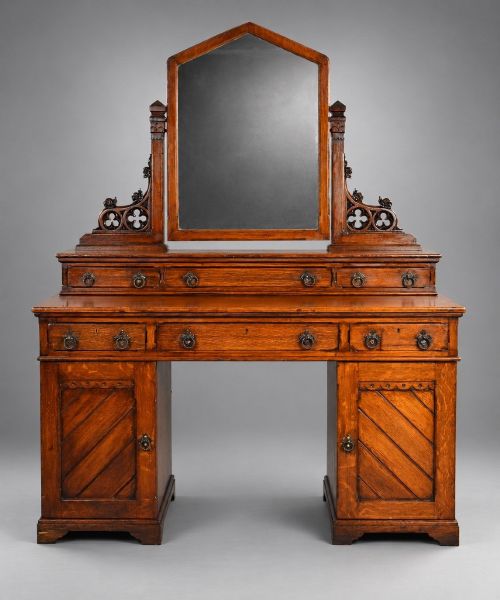
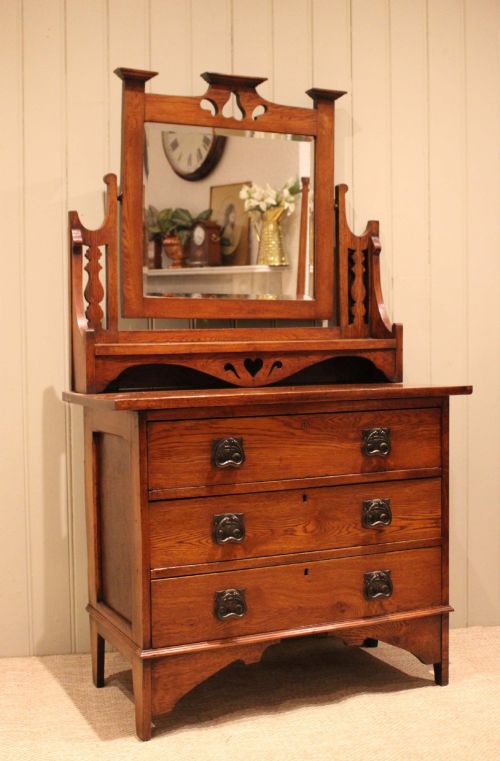
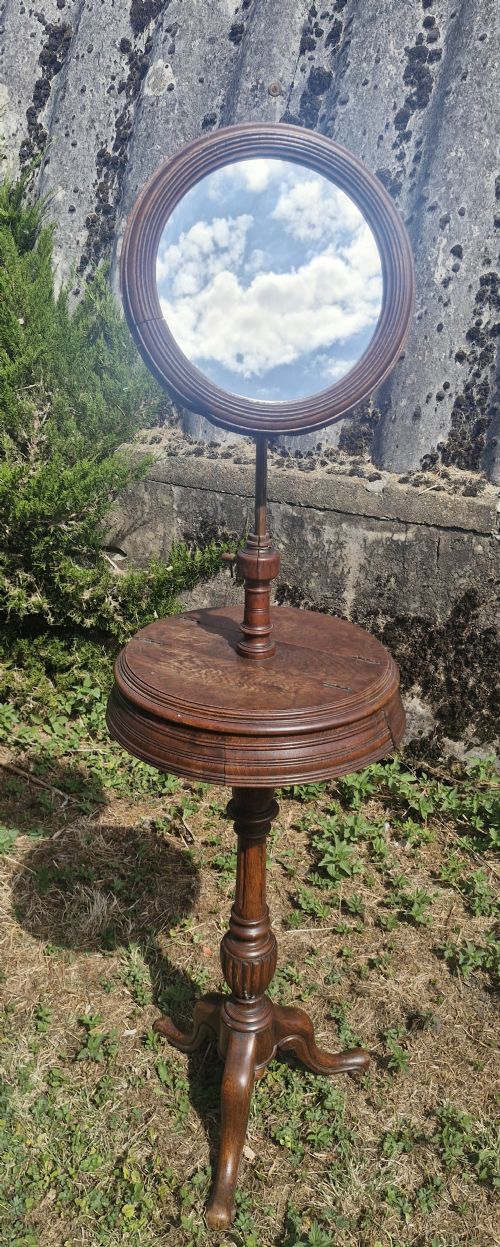
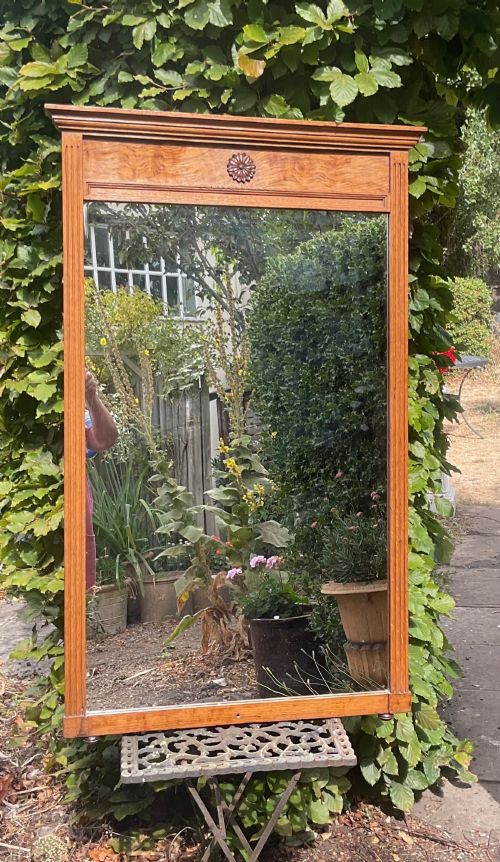
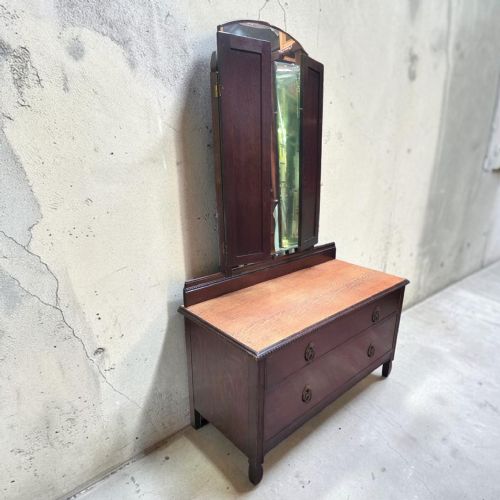
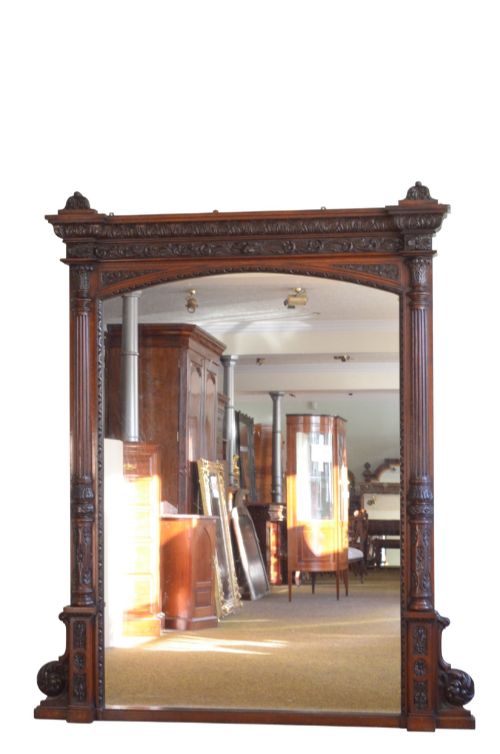
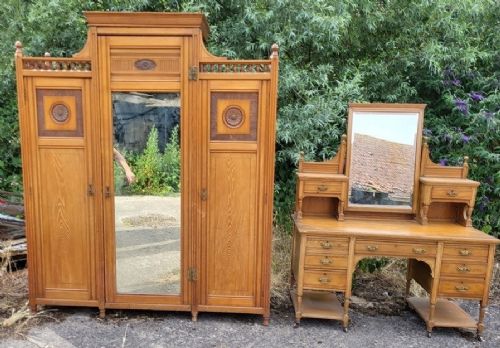
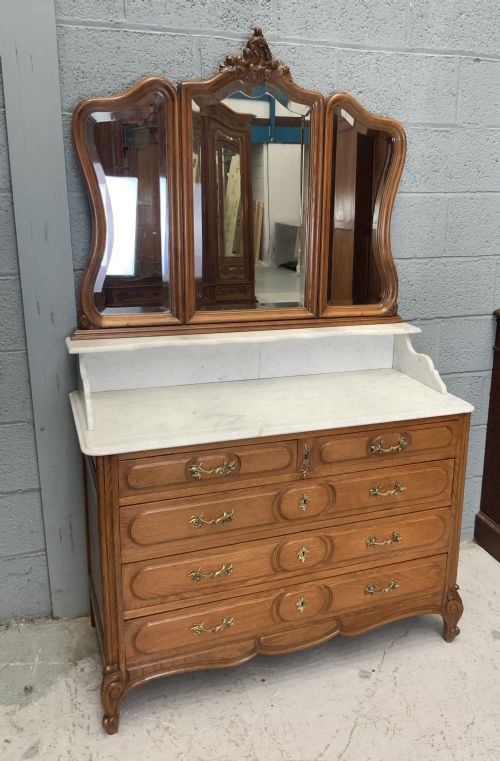
An oak dressing mirror is a piece of bedroom furniture designed for personal grooming, appearing in forms ranging from small tabletop swing mirrors to large floor-standing cheval mirrors and units integrated into dressing chests.
The pieces on this page originate from the Victorian, Edwardian, and Art Deco periods, alongside significant representations of Arts and Crafts and Cotswold school design.
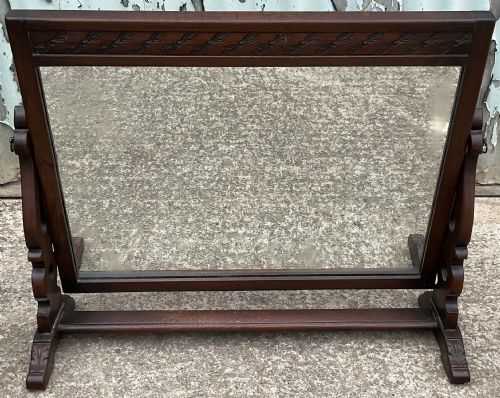
Tabletop toilet mirrors and tall cheval mirrors are the most common variants encountered in these listings, often featuring adjustable frames and supportive stands.
Materials and construction
Solid oak and figured oak form the structural core of these mirrors, frequently paired with glass, brass hardware, and occasional marble or metal details.
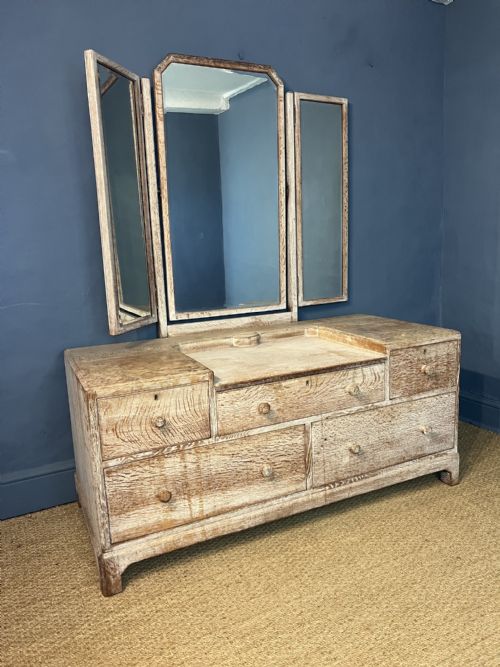
Craftsmen utilised techniques such as wood inlay, marquetry, carving, and liming to finish the timber, particularly during the Arts and Crafts and Art Deco movements.
Oak Dressing Mirror Retail Price Guide 2026
Typical asking prices for oak dressing mirror among the pieces listed under this phrase on Sellingantiques today, from the lower quarter to the upper quarter. They describe what is for sale here now, not the wider market.
Materials appearing across the current inventory include solid oak, burr oak, brass, glass, and inlaid decorative woods.
Distinctions in quality
Quality rests on the integrity of the timber selection, the depth and execution of hand-carved details, and the sophistication of the hardware such as brass brackets and adjustable pivots.
Attribution to notable makers and designers distinguishes standard commercial production from the refined joinery found in pieces originating from workshops associated with the Cotswold school or Heal and Son.
Heals of London·Shapland and Petter·Gordon Russell·George Walton·Harris Lebus·Waring and Gillow·James Shoolbred·Wright and Hunter
The Oak Dressing Mirror Glossary
- Cheval mirror
- A full-length mirror hung in a frame that allows it to swing. These tall floor-standing pieces became popular in the nineteenth century for dressing rooms.
- Toilet mirror
- A smaller mirror designed to sit atop a dressing table, chest of drawers, or washstand. They often feature pivoting screws to adjust the angle of the glass.
- Limed oak
- A wood finish created by applying a white or pale pigment to oak to highlight the grain. This treatment is strongly associated with Arts and Crafts and 1930s modernist furniture.
- Arts and Crafts
- A design movement valuing handcraftsmanship, simple forms, and natural materials over mass production. Pieces from this style often display exposed joinery and subtle carved ornamentation.
Oak Dressing Mirror: Frequently Asked Questions
How do I date an oak mirror?
Dating relies on stylistic clues, construction methods, and materials present in the frame. Victorian and Arts and Crafts examples often show heavier hand-carving and brass fittings, while 1930s pieces favour clean lines and limed finishes.
Makers' stamps, labels, and the type of mirror glass used also help narrow down the decade of production.
Where should I place a cheval mirror?
Cheval mirrors work best in bedrooms or dressing rooms where full-length reflection is needed. Because they stand independently on the floor, position them near natural light sources to brighten the room.
Ensure the floor is level so the pivoting frame swings smoothly without straining the side supports.
Are tabletop mirrors adjustable?
Most antique tabletop dressing mirrors feature adjustable swing frames mounted on vertical supports. Brass screws or wooden pivots on the sides allow the user to tilt the glass to the desired angle.
Over time, these pivots may loosen or tighten, requiring careful adjustment of the hardware to hold the glass firmly in place.
What is the difference between oak and limed oak?
Standard oak displays the natural golden or brown tones and distinct grain patterns of the raw timber. Limed oak involves a chemical or pigment treatment that whitens the grain, giving the wood a pale, frosted appearance.
This lighter finish gained popularity in the early twentieth century through the work of modernist designers and workshops.