





Oak Panelled Mirror
An oak panelled mirror brings honest timber and dependable reflection to an interior, drawing on decades of revival styles and domestic craft.
Oak Panelled Mirror
An oak panelled mirror combines robust timber framing with functional glass, appearing across domestic settings from overmantels to hall stands. These pieces emerge in styles ranging from Victorian Gothic and Arts and Crafts to Jacobean Revival.
The versions most commonly met on this page date from the late nineteenth century through to the nineteen-twenties, reflecting periods of heavy domestic furnishing and revived vernacular traditions. They take forms such as large overmantels, wall mirrors, and dressing stands.
Makers utilised the sturdy nature of oak to build substantial frames that often incorporated decorative panelling, bevelled glass, and occasionally contrasting woods like walnut or pollard oak. Such mirrors served both practical grooming needs and architectural decoration in period homes.
How they were made
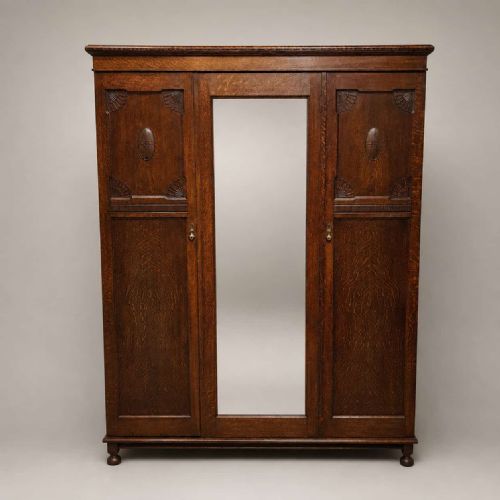
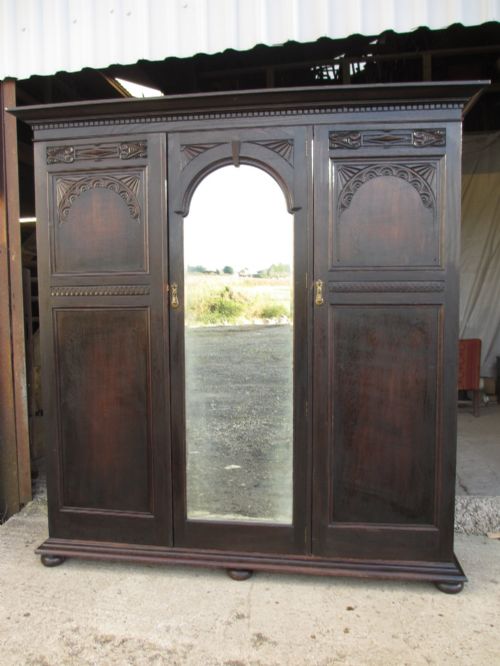
Construction relies heavily on solid oak and wood panels, often shaped into heavy frames or integrated into larger furniture forms such as wardrobes and cabinets. Cabinetmakers employed traditional joinery to house the mirror plates securely within the timber surrounds.
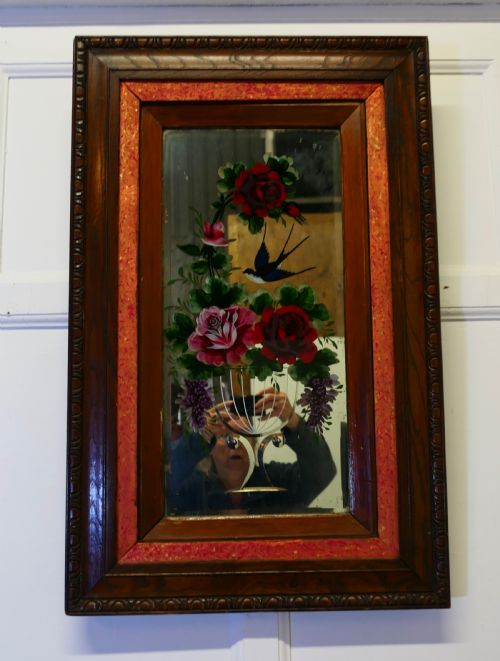
Surface decoration frequently includes carved details, marquetry veneers, and leaded glass elements, while brass fittings provide functional hardware. Etched or reverse-painted glass occasionally adds a decorative layer to the reflective surface.
Oak Panelled Mirror Retail Price Guide 2026
Typical asking prices for oak panelled mirror among the pieces listed under this phrase on Sellingantiques today, from the lower quarter to the upper quarter. They describe what is for sale here now, not the wider market.
The listings on this site span several decades, including Victorian, Edwardian, and nineteen-twenties periods, utilising oak, walnut, and brass.
What varies in quality
The depth and execution of the carved details separate standard production from more ambitious workshop pieces, particularly within Arts and Crafts and Victorian Gothic examples. Crisp mouldings and well-figured timber indicate a higher standard of original craftsmanship.
The choice of secondary timbers, such as pollard oak or walnut accents, alongside the clarity and bevelling of the glass plate, marks the distinction between utilitarian items and finer decorative commissions.
The Oak Panelled Mirror Glossary
- Overmantel mirror
- A large mirror designed specifically to hang above a fireplace mantelpiece. These pieces often feature architectural framing and substantial proportions.
- Pollard oak
- Timber taken from trees that have been pollarded, producing a heavily knotted and highly decorative grain. Cabinetmakers utilised this material for striking veneer panels.
- Bevelled glass
- Glass featuring an edge that has been ground and polished to an angle thinner than the rest of the plate. This technique catches the light and adds depth to the reflection.
- Arts and Crafts
- A design movement prioritising traditional craftsmanship, visible construction, and simple forms. Pieces from this tradition often display restrained decoration and honest use of materials.
Oak Panelled Mirror: Frequently Asked Questions
Where should I hang an overmantel mirror?
These large mirrors sit naturally above a fireplace mantelpiece, where their proportions anchor the room and reflect light across the space. Ensure the wall fixings are secured adequately into solid masonry or studs to support the substantial timber weight.
Alternatively, position them on a principal wall in a reception room to create a focal point that visually expands the interior dimensions.
How do I care for antique oak frames?
Maintain the timber by applying a traditional beeswax polish sparingly to nourish the grain and protect the surface from drying out. Avoid silicone-based sprays that can build up and dull the finish over time.
Keep the mirror away from direct heat sources and damp environments to prevent the wood from warping and the silver backing of the glass from degrading.
What defines Victorian Gothic style?
Victorian Gothic design draws inspiration from medieval architecture, featuring pointed arches, heavy moulding, and solemn, robust proportions. In mirrors and furniture, this translates to dark timber and solemn, structural forms.
Such pieces often incorporate deep bevelling, carved linenfold panelling, and substantial brass hardware to complete the medieval revival aesthetic.
How can I date an oak mirror?
Examine the construction methods, the type of screw heads, and the backboards used to secure the glass plate. Hand-cut joinery and older mirror plate characteristics generally point towards nineteenth-century origins, while machine-cut components suggest later periods.
Consider the stylistic clues, such as the characteristic restraint of Arts and Crafts pieces versus the heavier ornamentation of Victorian Gothic examples.