



Antique Bergama Carpet
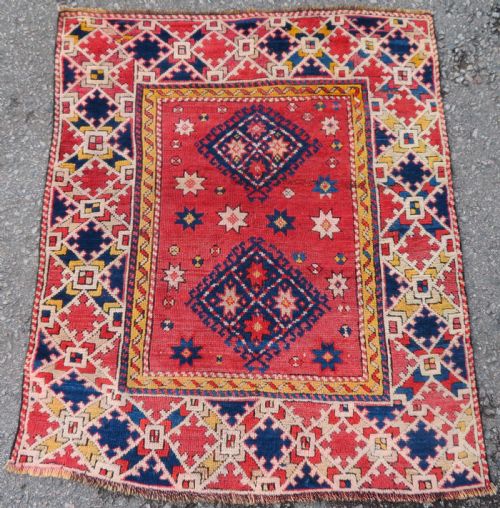
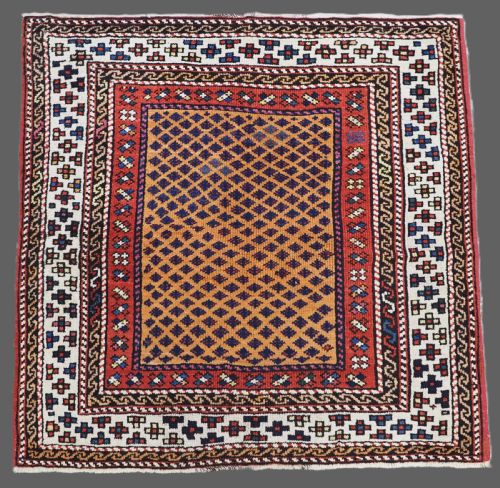
An antique bergama carpet brings robust Anatolian village weaving and rich geometric wool designs into a room.
Antique Bergama Carpet
An antique bergama carpet represents traditional village weaving originating from the West Anatolian region of Turkey. These floor coverings appear in formats ranging from small square rugs and prayer designs to larger village carpets.
Buyers examining this selection encounter pieces spanning the nineteenth century through the early twentieth century. Common stylistic expressions include Anatolian tribal motifs, lattice patterns, and classic village designs.
The regional output includes specialised group pieces such as Karakecili kilims woven in two parts and Kiz bergama rugs. Each example demonstrates the distinctive design vocabulary of North West Anatolia.
What varies in quality
The standard of an antique bergama carpet rests upon the crispness of the geometric drawing and the depth of the wool pile. Finer examples display precise execution of traditional motifs such as the Holbein design or intricate lattice work.
Visual appeal also depends upon the integrity of the original dyes and the balance of the colour palette. Pieces showing strong contrast and harmonious secondary shades command attention among village weaving.
Antique Bergama Carpet Retail Price Guide 2026
Typical asking prices for bergama carpet among the pieces listed under this phrase on Sellingantiques today, from the lower quarter to the upper quarter. They describe what is for sale here now, not the wider market.
Some regional weavers prudently split their looms down the middle, creating two-part kilims just so they could manage the width.
The Antique Bergama Carpet Glossary
- Bergama
- A historic rug-producing region in West Anatolia known for distinct village and tribal carpet designs.
- Kilim
- A flatweave textile produced without a pile, often constructed in two parts in specific regional traditions.
- Prayer rug
- A small rug featuring a mihrab design used traditionally for individual daily prayers.
- Holbein design
- A geometric pattern featuring octagons within squares, frequently observed in Anatolian carpets.
- Anatolian tribal
- A descriptive classification for nomadic and village weaving traditions originating from the region of Turkey.
Antique Bergama Carpet: Frequently Asked Questions
How do I date an antique bergama carpet?
Dating relies upon structural analysis, wool quality, and the character of the natural dyes used in the piece. Stylistic markers such as lattice patterns and prayer mihrabs also help place items within the nineteenth and early twentieth centuries.
Comparative study of regional village weaving helps establish whether a piece belongs to the 1880s or later periods up to 1930.
Where were these carpets made?
These textiles originate from Bergama and surrounding districts in West and North West Anatolia. Local village weavers and nomadic groups produced them for domestic use and local trade.
Specific regional subgroups include Karakecili and Kiz productions originating from the same broader Anatolian cultural sphere.
What materials are used in these carpets?
The primary material is wool, utilised for both the soft pile and the structural foundation threads. Cotton also appears in the construction of certain village rugs and carpets from this region.
Traditional spinning methods and natural dye sources contribute to the tactile quality and rich colouration of the surviving pieces.
How do I care for an antique bergama carpet?
Protect the wool pile by placing the textile in low-traffic areas or using a breathable underlay beneath the rug. Regular gentle vacuuming without a rotating brush bar prevents dust accumulation in the fibres.
Professional cleaning tailored to antique vegetable-dyed wool ensures the preservation of the textile over time.