




Traditional Wool Mat
A traditional wool mat brings centuries of hand-knotted heritage and rich tribal patterns straight to your floor.
Traditional Wool Mat
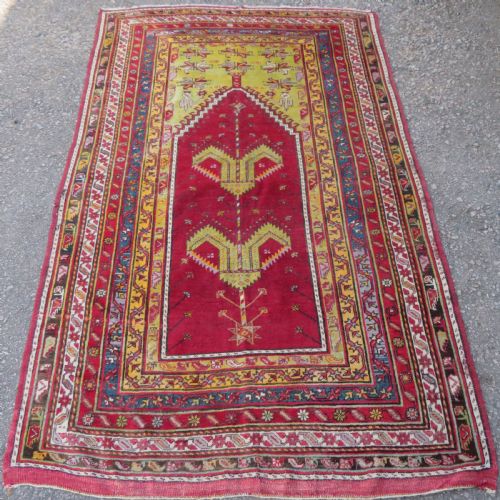
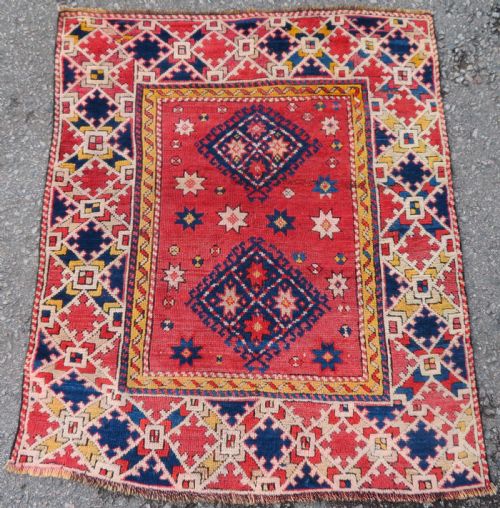
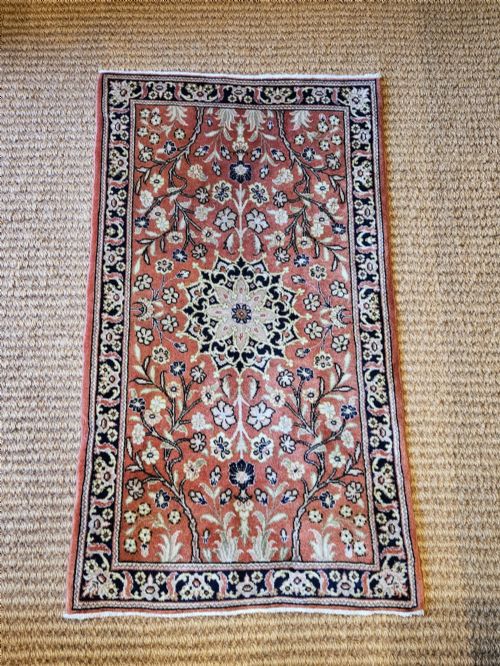
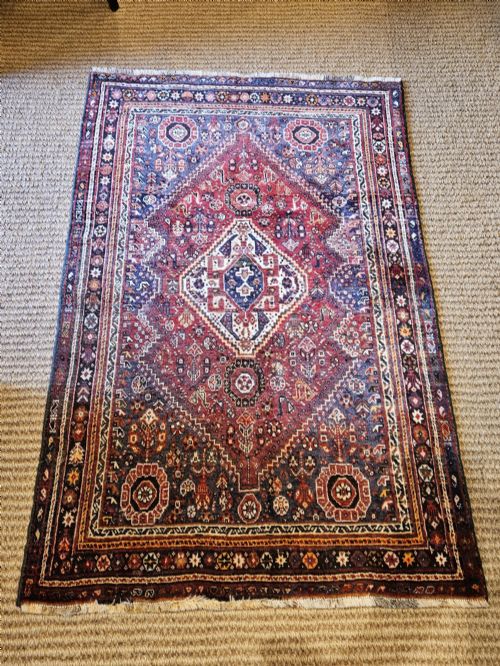
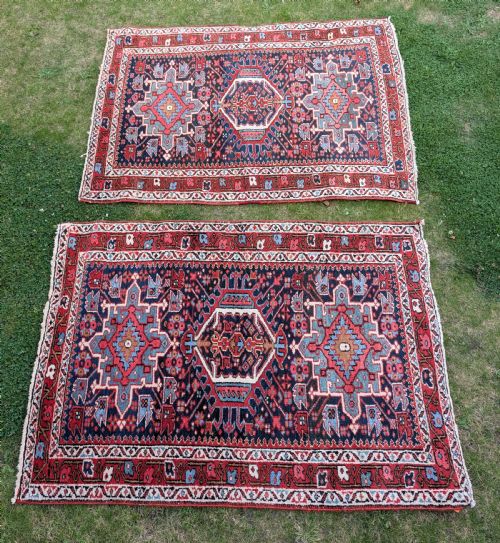
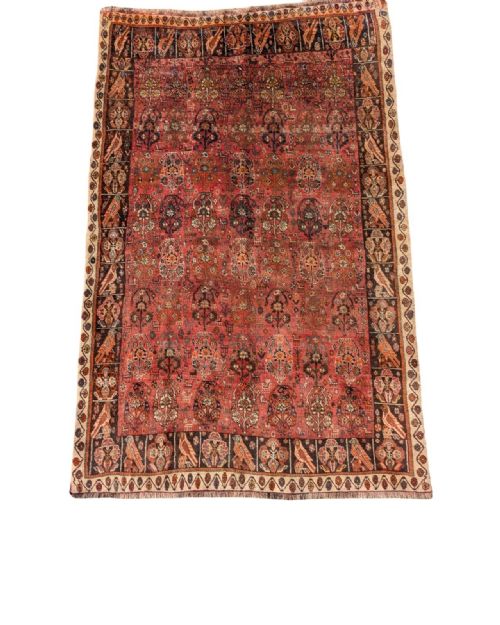
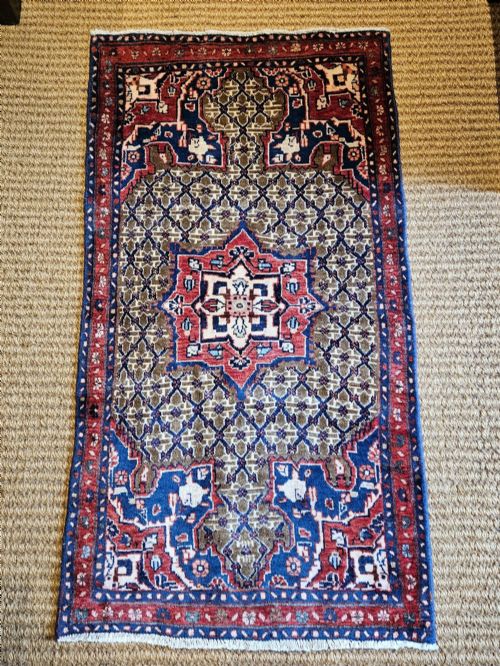
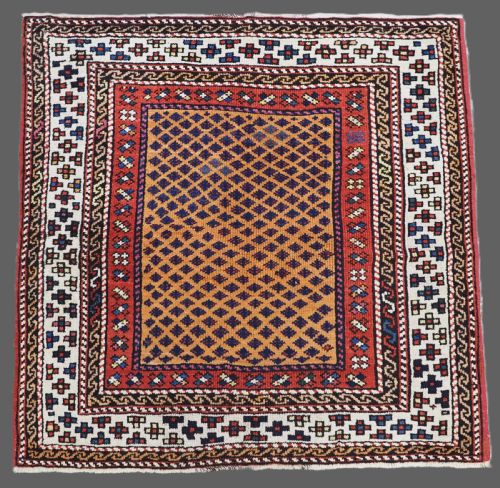
A traditional wool mat encompasses hand-woven floor coverings, tribal textiles, and prayer rugs originating from Persian, Anatolian, Caucasian, and Turkmen traditions. These pieces span periods from the eighteenth century through the early twentieth century, including room-sized carpets, hallway runners, and compact hearth-sized rugs.
On this page, buyers frequently encounter smaller formats such as antique mats, bagfaces, and square formats alongside larger village and tribal carpets. The designs range from geometric tribal motifs and prayer mihrabs to classical floral vase patterns woven in village workshops.
Materials and construction methods
These textiles rely on wool as the primary pile material, often combined with cotton foundations and occasional silk highlights to add texture and definition. Natural dyes provide the depth of colour found across Persian, Turkish, and Caucasian examples.
Weavers knotted the wool pile onto sturdy warp and weft foundations by hand, producing durable pile rugs and flatwoven tribal sofres designed for daily use and longevity.
Listings feature wool, cotton, and silk textiles utilising natural dyes across Persian, Anatolian, and Caucasian traditions.
Distinctions in craftsmanship and materials
Quality rests in the precision of the knotting, the fineness of the wool, and the complexity of the design execution. Superior pieces display intricate geometric or floral drawing with tightly packed piles that preserve the crispness of the original cartoon.
The choice of dyes dictates visual resonance, with natural dye palettes developing a rich patina over time. Better examples maintain structural integrity across the foundation while retaining vibrant, harmonious colour relationships throughout the field and border.
The Traditional Wool Mat Glossary
- Mihrab
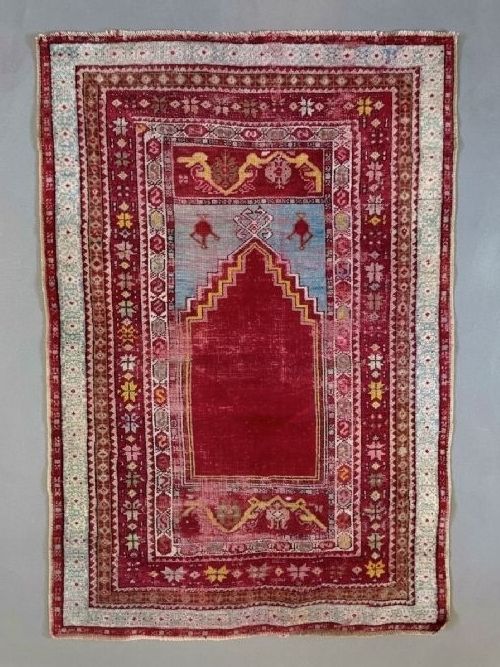
- The arched niche design found primarily on prayer rugs, pointing toward Mecca during Islamic worship. It serves as the focal point of the rug's field.
- Sofre
- A flatwoven or piled spread used traditionally for dining, kneading dough, or serving meals in tribal households. These utilitarian textiles often feature distinctive nomadic iconography.
- Warp
- The vertical threads stretched tightly on the loom that form the structural skeleton of the rug. The exposed ends often terminate in visible fringes.
- Weft
- The horizontal threads passed across the warp strands to lock the knots in place after each row of weaving. Multiple weft shots help determine the rigidity of the finished textile.
- Pile
- The dense, vertical surface of cut wool loops that forms the tactile layer of the rug. Tightly packed pile enhances durability and pattern clarity.
Traditional Wool Mat: Frequently Asked Questions
How do I clean a traditional wool mat?
Regular gentle vacuuming without a beater bar removes surface dust and loose grit from the wool pile. Professional specialist cleaning remains essential for deep washing to protect the natural dyes.
Avoid harsh chemical detergents or excessive water immersion, which can damage the foundation fibres and cause colour migration.
Where should I place a hallway runner?
Hallway runners suit high-traffic transitional spaces like corridors, entryways, and narrow galleries where foot traffic is frequent. Their elongated proportions guide movement and add warmth to otherwise bare wooden or tiled floors.
Ensure you place a quality underlay beneath the textile to prevent slipping and reduce abrasion against the floorboards.
What is a prayer rug?
A prayer rug is a smaller format textile featuring a distinct arched niche or mihrab motif at one end. Historically, worshippers used these portable mats to provide a clean space for daily prayers.
Collectors prize them for their focused compositions and symbolic iconography woven by village and tribal artisans.
How do I identify tribal designs?
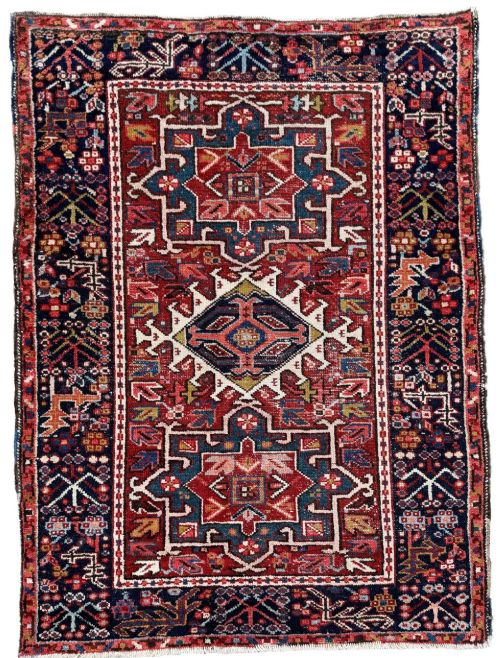
Tribal designs typically feature geometric medallions, hooked guls, stylized animals, and bold repeating motifs rather than sweeping court curves. These patterns reflect the cultural heritage and specific weaving traditions of nomadic confederacies.
Palettes often rely on rich earthy tones produced from natural dye sources distinctive to particular regions.