


Yellow Geometric Rug
A yellow geometric rug brings warmth and strong pattern into a room, drawing on tribal traditions from Anatolia, the Caucasus, and Central Asia.
Yellow Geometric Rug
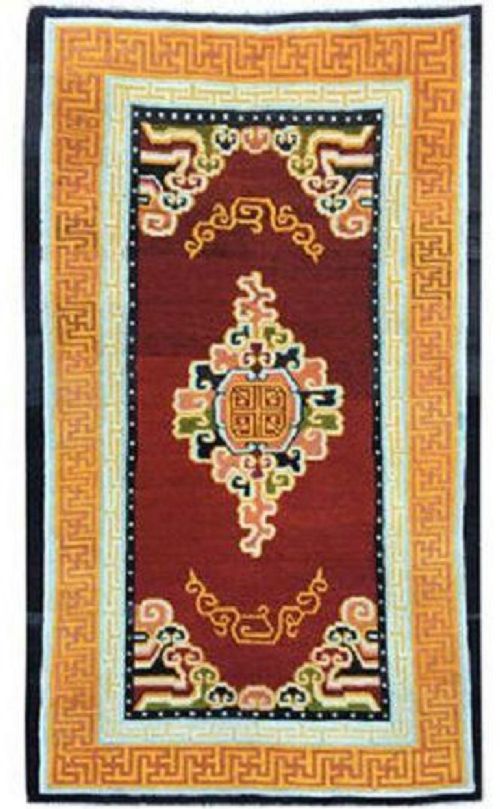
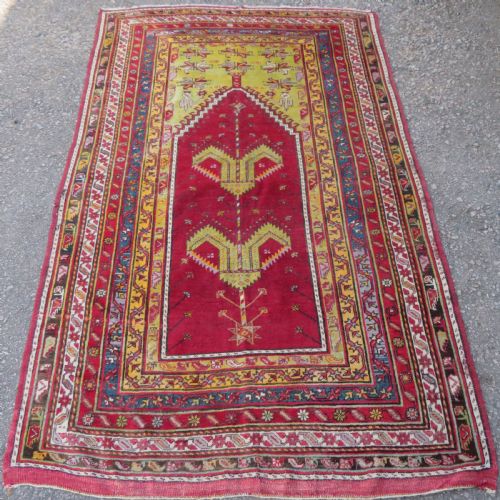
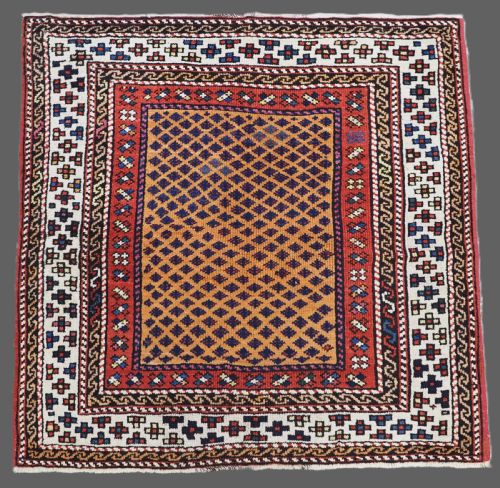
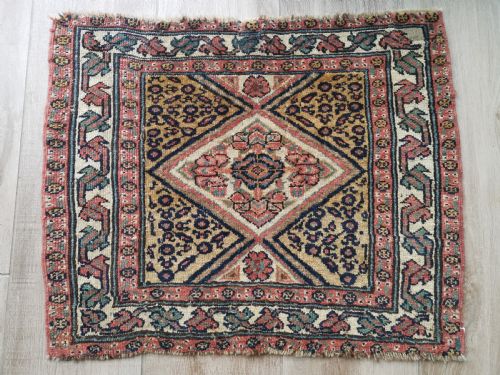
A yellow geometric rug groups together tribal and regional woven floor coverings spanning the nineteenth and early twentieth centuries. When searching for a yellow geometric rug, buyers encounter pieces featuring lattice work, repeat motifs, and medallions originating from Caucasian, Anatolian, and Central Asian workshops.
The selection here includes runners, prayer rugs, square formats, and kilims produced across periods ranging from eighteen-fifty to nineteen-thirty. These textiles display distinct regional characteristics, from the bold graphic layouts of Uzbek kilims to the detailed lattice designs of Dagestan and Erivan carpets.
Buyers seeking this specific aesthetic often find pieces utilising yellow grounds, whether as a primary field colour or within decorative borders. The variety extends from long hallway runners to compact scatter rugs created by Kurdish, Afghan, Persian, and Turkish weavers.
How they were made
These textiles rely on natural fibres, primarily wool and hand-spun wool combined with cotton foundations. Weavers worked on vertical looms, knotting or flat-weaving yarns that had been dyed using traditional plant and mineral substances.
The construction methods vary between pile weaves, such as Kazak and Konya rugs, and flat-woven kilims or Soumaks. Each technique produced a different texture and weight, influencing how the geometric patterns and yellow grounds appear across the surface.
Listings feature pieces from the nineteenth and early twentieth centuries, utilising wool, cotton, and hand-spun wool across tribal and traditional styles.
What varies in quality
Quality in these older woven pieces depends on the fineness of the knotting and the crispness of the geometric drawing. Tighter structures and well-defined lines indicate greater skill by the weaver.
The vibrancy and depth of the natural dyes also set examples apart. Woven items with well-preserved wool and harmonious colour saturation display superior material integrity compared to worn counterparts.
The Yellow Geometric Rug Glossary
- Kilim
- A flat-woven carpet or rug produced without a pile. These pieces rely on interlocking warp and weft threads to form sharp geometric motifs.
- Soumak
- A flat-weave technique involving wrapping weft threads over and under the warps in a herringbone-like pattern. This method adds durability and texture to the surface.
- Prayer rug
- A small textile featuring a mihrab or niche design used historically for daily prayers. These rugs often display specific directional motifs.
- Ground
- The main background field colour of a rug against which the primary medallions and patterns are set. Yellow grounds are particularly sought after in certain regional types.
- Medallion
- A central ornamental motif placed in the field of a rug. Geometric medallions often take octagonal, diamond, or polygonal forms in tribal pieces.
Yellow Geometric Rug: Frequently Asked Questions
Where were these rugs made?
The pieces originate from traditional weaving regions including the Caucasus, Anatolia, Persia, and Central Asia. Different tribes and towns developed distinct patterns.
Local materials and specific regional knotting techniques distinguish examples from areas such as Dagestan, Shirvan, and the Karabagh region.
How do I care for an old wool rug?
Place the textile in a low-traffic area or use a quality underlay to prevent sliding and reduce wear on the wool fibres. Vacuum gently without using a rotating brush roll.
Keep the piece out of direct sunlight to protect natural dyes from fading over time. Consult a specialist rug cleaner for professional washing.
How can I tell the age of a woven rug?
Age is indicated by the type of wool, the composition of the natural dyes, and the structural characteristics of the foundation. Hand-spun wool and specific colour palettes often point to nineteenth-century production.
Design motifs and regional weaving traditions also provide clues, though exact dating relies on comparative study of known historical pieces.