



Antique Baluster Glass
Antique baluster glass pieces bring heavy stems and architectural weight to drinking vessels and serving forms from the eighteenth century.
Antique Baluster Glass
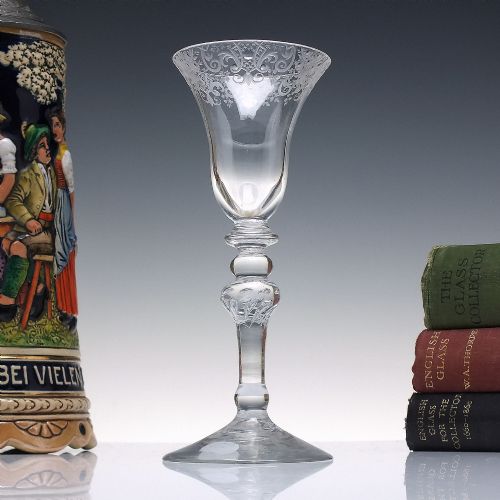
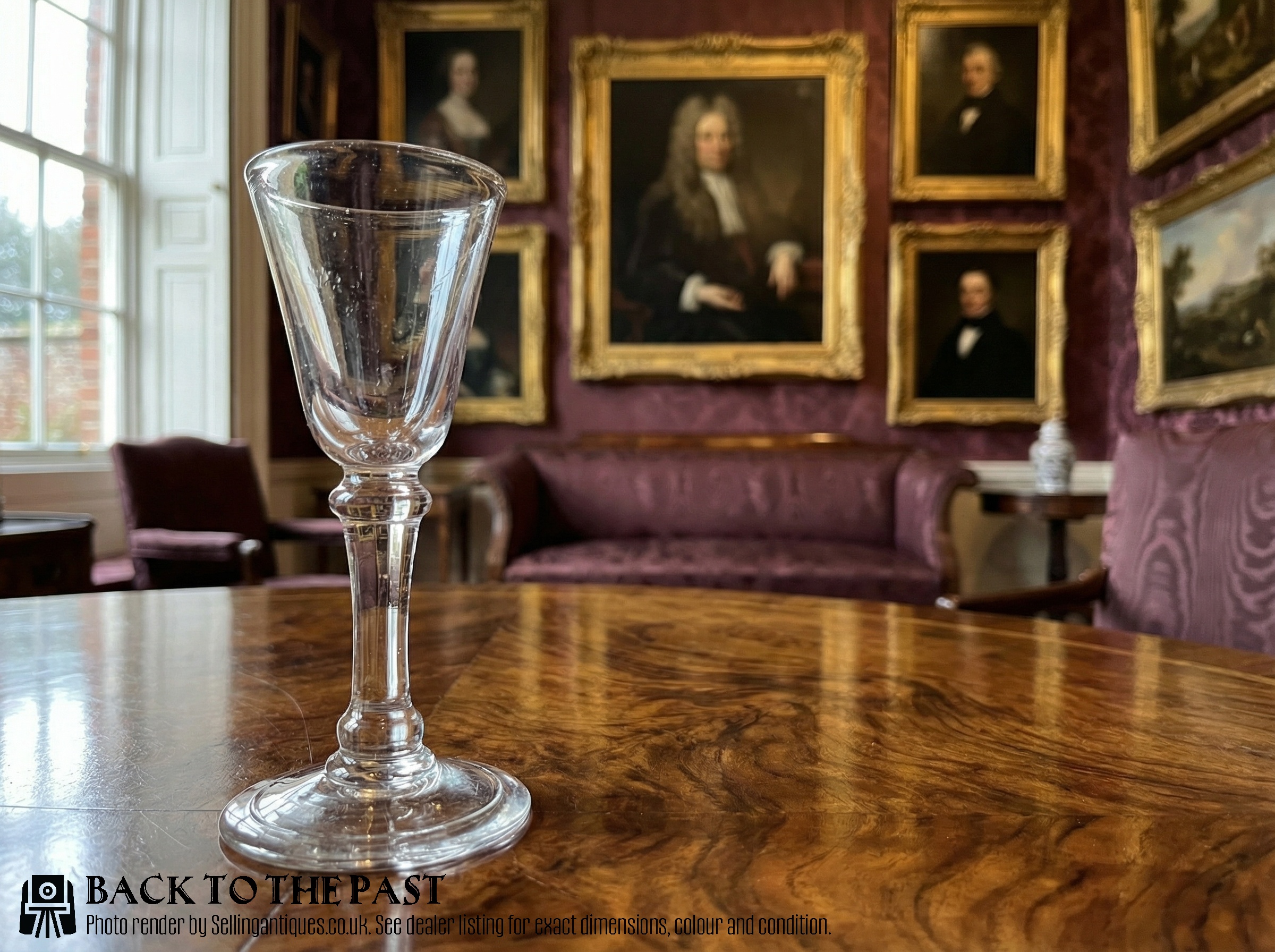
When you search for antique baluster glass, you encounter drinking vessels, dram glasses, and marriage goblets carrying substantial stems modelled on architectural pillars. These objects date primarily from the eighteenth century, spanning periods from Queen Anne through the Georgian reigns.
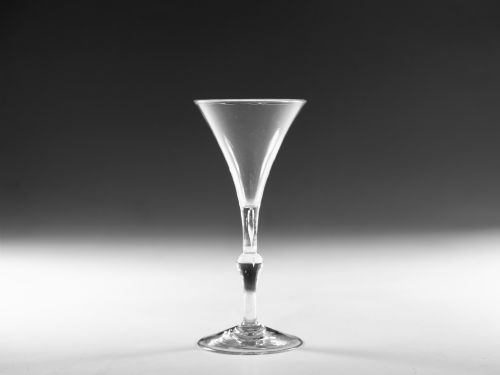
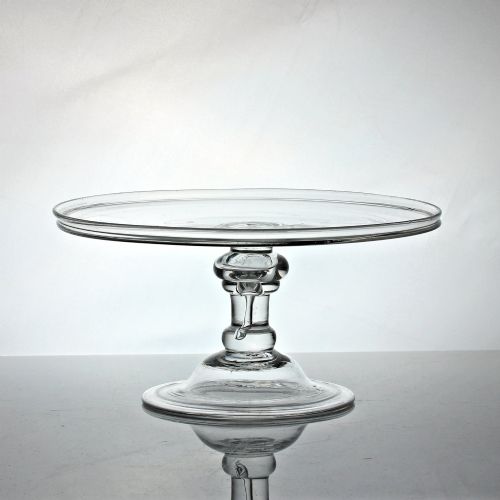
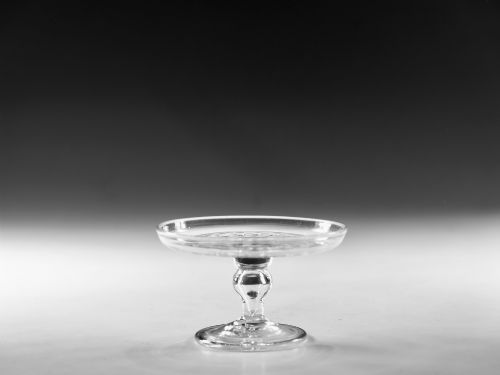
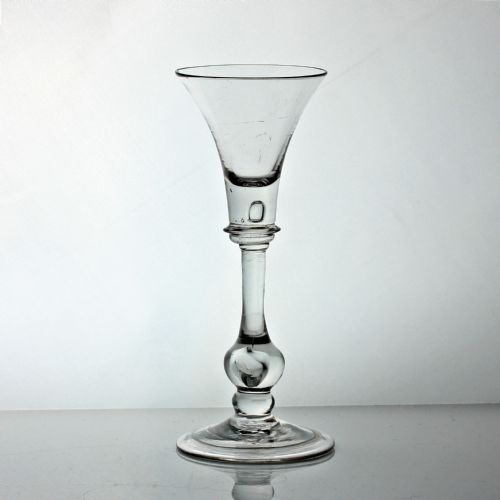
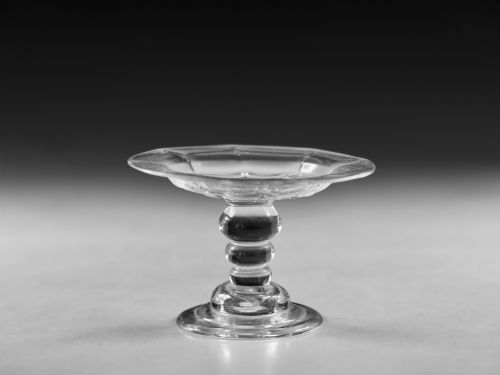
The heavy baluster and light baluster forms dominate the selection, often featuring knops, collars, and entrapped air tears within the stem. Alongside wine glasses, the inventory includes tazzas, patch stands, and sweetmeat glasses intended for formal tables.
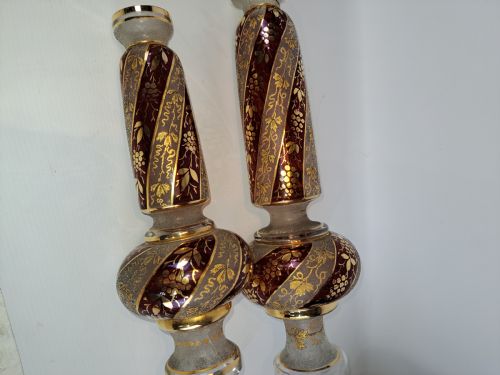
While eighteenth-century English and continental pieces form the core of the items, the category also extends to later nineteenth-century interpretations and related crystal forms. Each example displays the thick metal and characteristic weight typical of early lead glass production.
Materials and construction
Maker operations relied heavily on lead glass and flint glass, yielding a dense material with high refractive qualities and substantial heft. Blowpipes shaped the bowls and feet, while stems were formed separately and joined while hot before being manipulated with tools to create knops and baluster profiles.
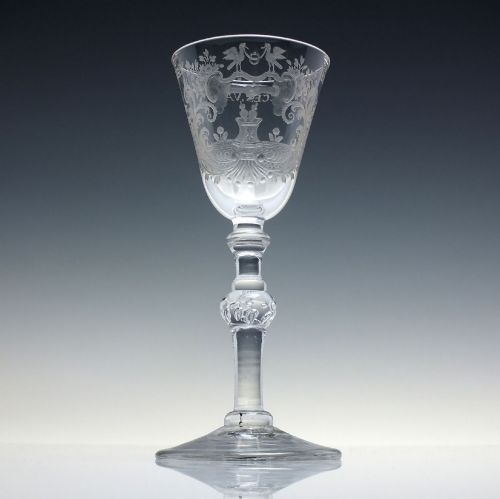
Decoration on these surfaces frequently involved wheel engraving, carving botanical, heraldic, or commemorative motifs into the clear metal. Air bubbles, known as teardrops, were intentionally trapped inside the molten stem during formation to decorate the interior of the glass without surface engraving.
Deceptive bowls tricked guests into thinking they held a full drink while secretly serving a mere sip.
Factors determining quality
Quality rests upon the proportion and balance between the heavy bowl, the knopped stem, and the spread of the foot. Superior examples exhibit crisp tool work on the baluster formations and generous proportions in the metal without excessive cloudiness.
The execution of wheel engraving elevates certain drinking vessels, particularly when narrative scenes, marriage toasts, or armorials display fine detail and depth. Foot formation also matters, with domed feet and folded rims commanding greater attention than plain, flat bases.
The Antique Baluster Glass Glossary
- Baluster
- A vertical architectural support with a swelling contour that forms the stem of heavy drinking vessels. This shape provides both visual weight and a secure grip for the hand.
- Teardrop
- An elongated air bubble deliberately trapped inside the stem of a glass during manufacture. It catches the light and adds an internal decorative element to the lead metal.
- Tazza
- An elevated shallow plate or saucer supported by a central stem and foot. These pieces served sweetmeats and small fruits on formal dining tables.
- Ratafia
- A narrow-bowled glass designed for drinking sweet, flavoured liqueurs. The restricted aperture helps preserve the aromatics of the cordial.
- Deceptive glass
- A vessel featuring a remarkably thick solid base that creates the visual impression of a deep bowl while holding only a small measure of liquid. These items were often used for toasts or playful drinking customs.
Antique Baluster Glass: Frequently Asked Questions
What is a balustroid glass?
A balustroid glass is a lighter, more slender variant of the traditional heavy baluster stem, popular during the mid-eighteenth century. It retains the stepped knops and swelling profile while using less metal in the construction.
These pieces offer a more delicate appearance on the dining table while maintaining the characteristic architectural silhouette of the earlier forms.
How were dram glasses used?
Dram glasses were small vessels utilised for consuming straight measures of potent spirits or cordials. Their compact size suited the high alcohol content of eighteenth-century liquors.
Collectors find these miniature vessels prized for their stout proportions and heavy baluster stems, which anchor the diminutive bowls.
How should antique glass be displayed?
Antique glass requires stable shelving away from direct sunlight and areas subject to sudden temperature fluctuations. Proper cabinet placement protects fragile rims and historical surfaces from accidental knocks.
Illumination from within enclosed display furniture highlights the clear lead metal and intricate wheel engraving without exposing the material to environmental hazards.