




Engraved 18th Century Flute
These engraved 18th century flute items are distinctive Georgian drinking vessels and silver pieces carrying period craftsmanship.
Engraved 18th Century Flute
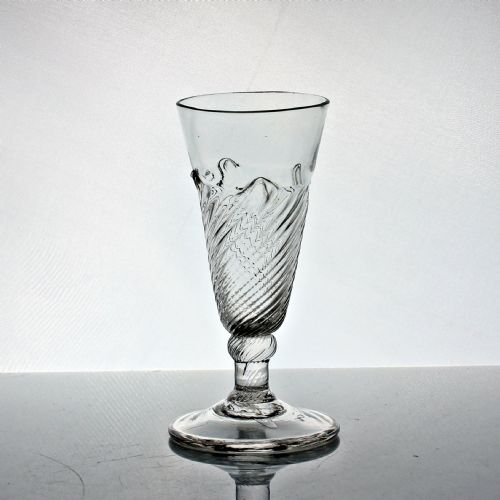
When you search for an engraved 18th century flute, you encounter Georgian glassware and silver table items dating from the seventeen hundreds through to eighteen hundred. The selection primarily includes tall ale glasses, ratafia glasses, and drinking vessels, alongside domestic silver such as tea caddies and cream jugs.
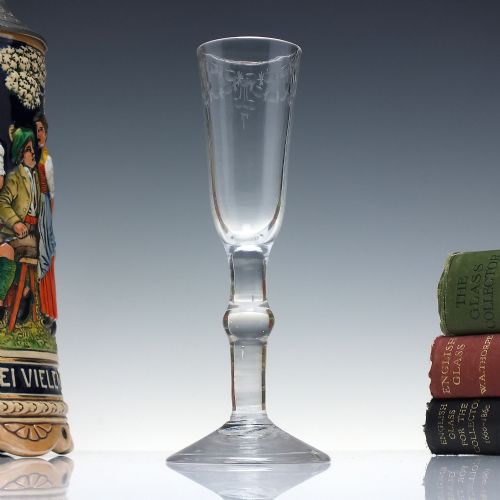
Most specimens originate from English workshops operating in the Georgian and George III eras. Alongside the glassware, the listings feature pieces shaped as dwarf ale glasses, facet cut stem flutes, and balustroid forms.
How they were made
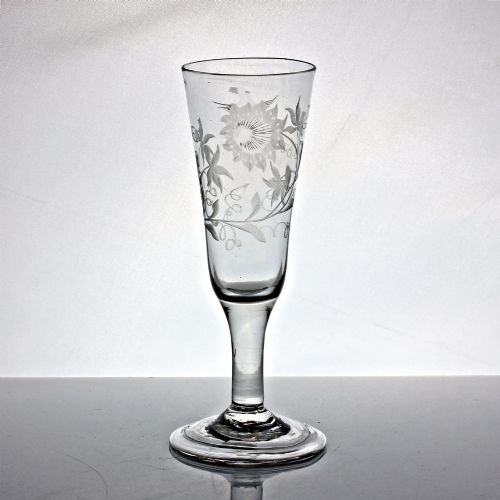
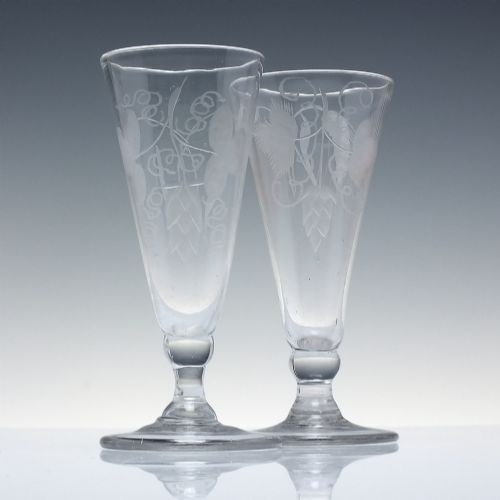
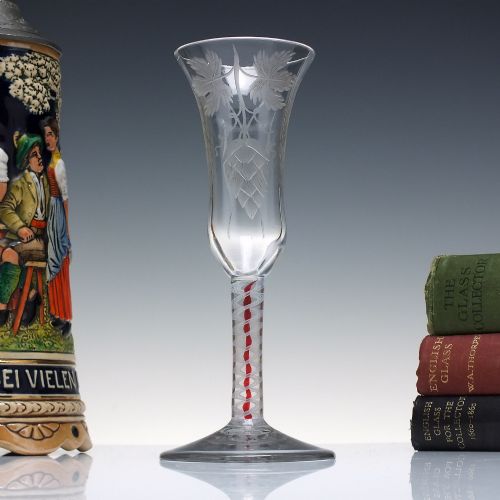
The glassware relies on lead glass, flint glass, clear glass, and lead crystal, shaped by skilled hands into fluted, plain stem, and facet cut designs. Certain examples incorporate coloured elements within the stem, whilst others feature detailed wheel engraving depicting motifs such as hops and barley.
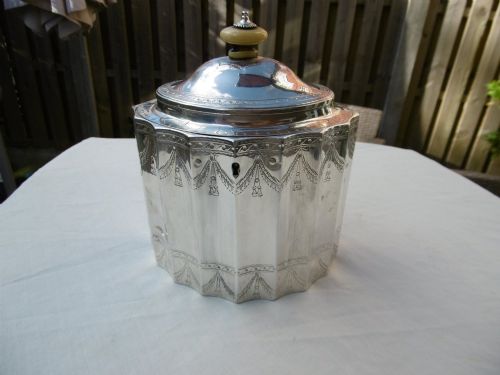
Silver items like tea caddies and cream jugs utilise sterling silver and incorporate enamel details. These pieces are formed through traditional smithing and silversmithing techniques characteristic of the eighteenth century.
What varies in quality
Quality rests upon the precision of the wheel engraving and the clarity of the metal, whether lead glass or sterling silver. Finer examples display crisp botanical motifs and well-balanced proportions without distortion.
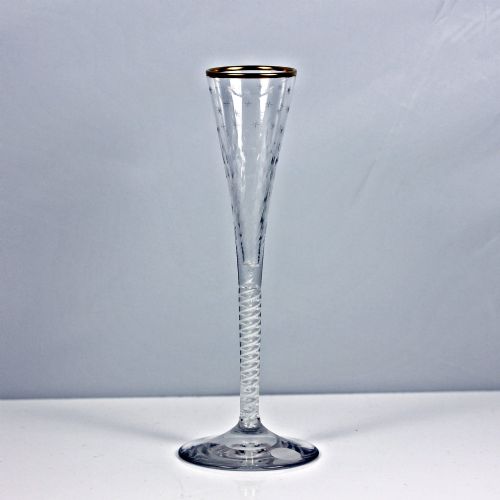
The complexity of the stem formation also dictates standard, with double series opaque twists and balustroid profiles marking out superior manufacture. Maker marks on the silver items add further distinction to the craftsmanship.
Robert Hennell·Peter and Ann Bateman
The Engraved 18th Century Flute Glossary
- Ale glass
- A tall, narrow drinking vessel designed for consuming ale, typically featuring engraved hop and barley motifs.
- Ratafia glass
- A narrow flute historically used for drinking sweet liqueurs or ratafia during the eighteenth century.
- Balustroid
- A glass stem form inspired by architectural balusters, common in mid-eighteenth-century drinking vessels.
- Facet cut
- Geometric cutting applied to the stem or bowl of glassware to catch the light and add texture.
- Opaque twist
- A decorative technique within glass stems using white or coloured enamel threads pulled into spiral patterns.
Engraved 18th Century Flute: Frequently Asked Questions
What is an engraved 18th century flute?
An engraved 18th century flute is a tall drinking vessel, typically an ale or ratafia glass, produced during the Georgian period. These glasses feature wheel-engraved ornamentation such as hops and barley.
They reflect the domestic drinking habits and glassmaking skills of Georgian England, utilising lead glass or crystal.
How were these glasses used?
These vessels served for drinking ale, beer, or cordials at the table during the seventeen and early eighteen hundreds. Their narrow bowls helped preserve the effervescence of the drinks.
Silver items from the same era, such as tea caddies and cream jugs, accompanied social tea service.
How do I identify a Georgian glass?
Georgian glass is identified through its weight, metal composition, and characteristic stem formations like plain stems, balustroids, or opaque twists. The presence of tool marks and pontil scars on the underside also indicates age.
Engraving styles from the period often show botanical subjects rather than machine-cut precision.
What materials are common?
The primary materials are lead glass, flint glass, and lead crystal, which give the vessels a distinct weight and ring. Silver pieces utilise sterling silver alongside bone and enamel elements.
Clear glass forms the body of the drinking vessels, sometimes enhanced with coloured twists.
How should I display them?
Display these pieces in a stable cabinet away from direct sunlight and vibrations to protect their historic glass and silver surfaces. Proper lighting can highlight the facet cuts and delicate wheel engravings.
Keep them away from temperature extremes to preserve the material integrity.