

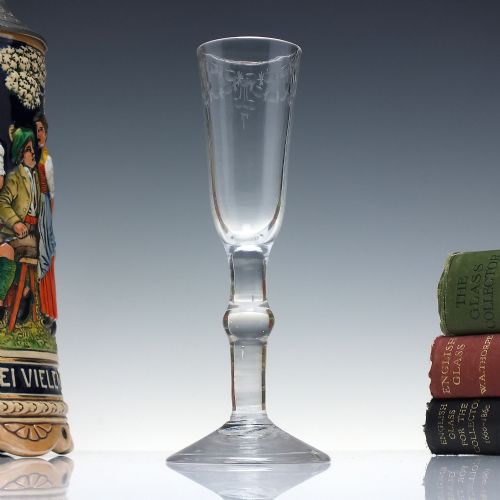


Engraved Clear Glass Cordial
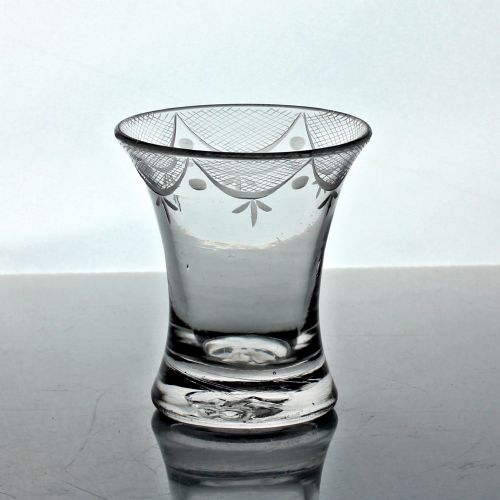
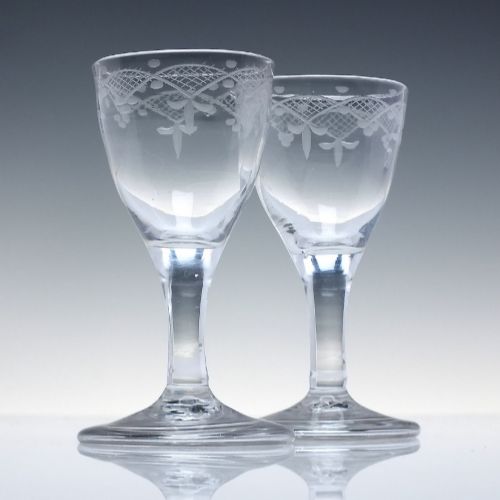
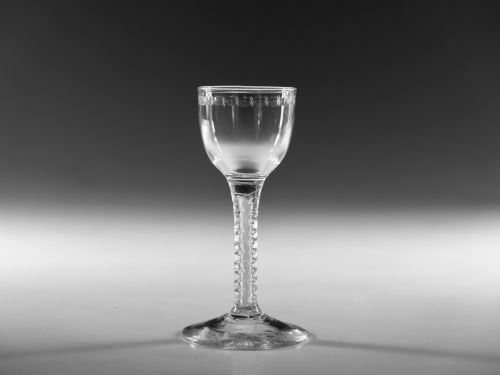
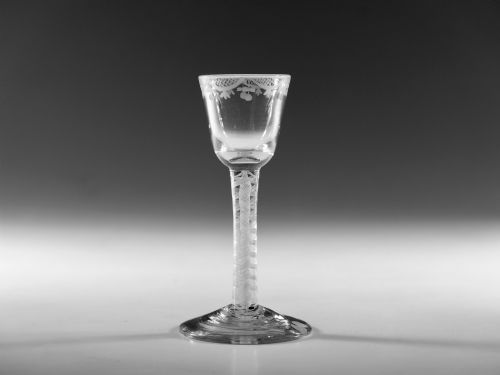
These engraved clear glass cordial vessels are small drinking glasses with precise cut or etched decoration, offering tactile historical charm for your cabinet.
Engraved Clear Glass Cordial
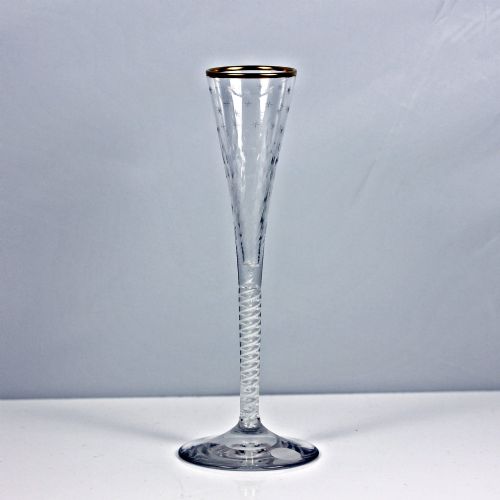
An engraved clear glass cordial sits within eighteenth century and Georgian drinking traditions, spanning forms from dramatic baluster glasses to small dram and ratafia vessels. These pieces range across early periods like seventeen thirty to later examples around seventeen eighty, capturing the shift in domestic glassware design.
Materials and construction
Makers utilised lead glass, clear glass, lead crystal, and flint glass to achieve the desired clarity and weight for these drinking glasses. Hand-blown glass techniques allowed artisans to shape bowls and pull stems while the material remained pliable.
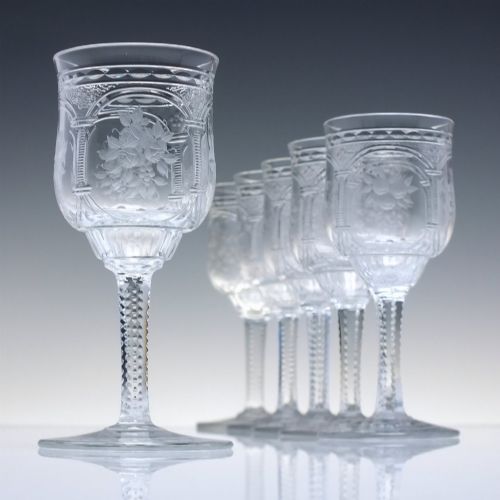
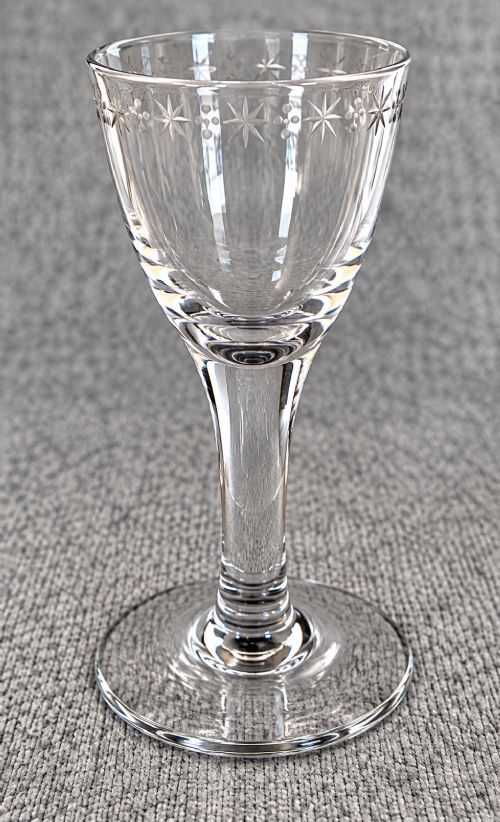
Surface decoration relies on skilled engraving and etching applied directly to the glass bowl. Master hands cut swags, tails, and floral motifs into the material, creating permanent surface texture.
The listings on this site span the eighteenth century and Georgian period, utilising lead crystal, flint glass, and hand-blown glass.
Judging quality in early glassware
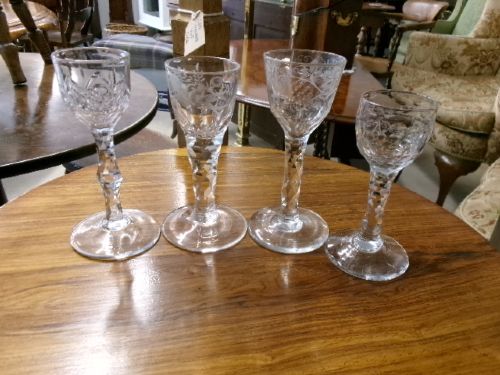
Quality rests in the crispness of the engraving and the balance of the vessel in the hand. Earlier baluster and balustroid examples show heavier proportions, whilst facet-cut stems demonstrate precision in the wheel-cutting technique.
The integrity of the metal, freedom from excessive bubbles, and stability of the wide foot base distinguish standard domestic tablewares from finer cabinet pieces.
The Engraved Clear Glass Cordial Glossary
- Baluster
- A heavy, swelling stem form reminiscent of architectural pillars. This style dominates early eighteenth century English drinking glasses.
- Dram glass
- A small drinking vessel designed for consuming a strong spirit in a single measure. These compact glasses often feature thick bases.
- Firing glass
- A heavy-footed drinking vessel with a thick base traditionally used for thumping on tables during toasts. The robust foot absorbs the impact.
- Ratafia glass
- A slender, tall-bowled drinking vessel created for sweet fruit-infused cordials. Their elongated shape accommodates specific liqueur styles.
- Folded foot
- A rim turned underneath the base to create a thickened edge for strength. This technique prevents chipping on rough wooden tavern tables.
Engraved Clear Glass Cordial: Frequently Asked Questions
What were cordial glasses used for?
These small vessels served strong spirits, sweet liqueurs, and medicinal cordials after dinner. Their modest capacity matched the potent nature of the drinks.
People kept them in corner cupboards or displayed them on sideboards when entertaining guests in Georgian homes.
How do I date an antique glass?
Dating relies on examining the stem formation, bowl shape, and foot construction. Baluster stems and folded feet point towards the earlier decades of the eighteenth century.
Later periods introduced lighter facet-cut stems and more delicate bowl profiles, reflecting changing manufacturing techniques and fashions.
Can I use these for drinks today?
While structurally sound, antique lead glass requires careful hand washing and gentle handling. Most owners prefer to display them in cabinets.
Using them for special toasts connects modern drinkers directly with the tactile experience of eighteenth century dining customs.
What is lead glass?
Lead glass contains a proportion of lead oxide which increases the refractive index and weight of the material. This composition gives the glass its brilliant clarity.
It also allowed Georgian glassmakers to cut deep facets and fine engravings that catch candlelight effectively.