




Antique Asian Wooden Figure
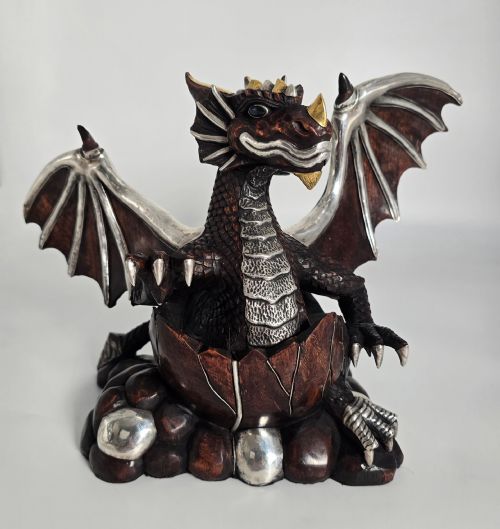
An antique asian wooden figure brings traditional craftsmanship and centuries-old iconography into a room through carved hardwood, gilt wood, and root wood.
Antique Asian Wooden Figure
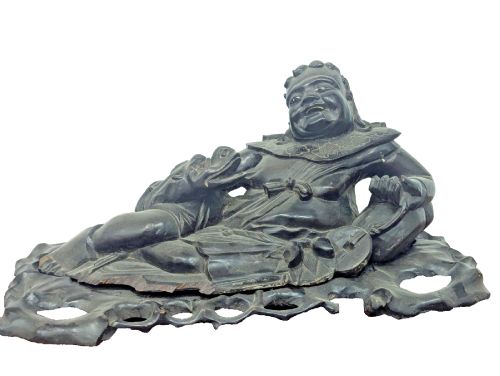
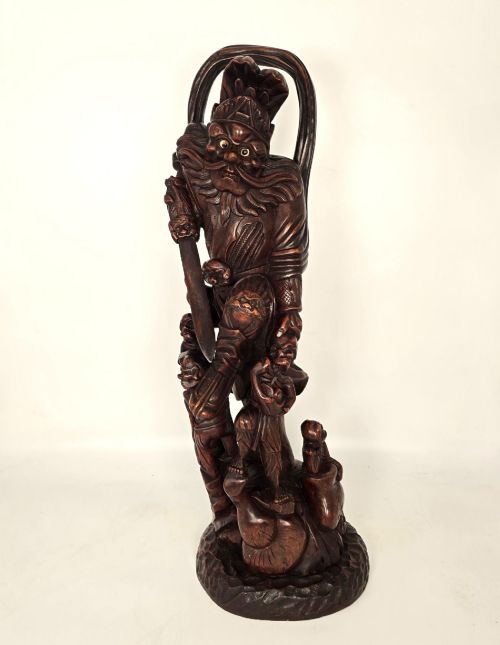
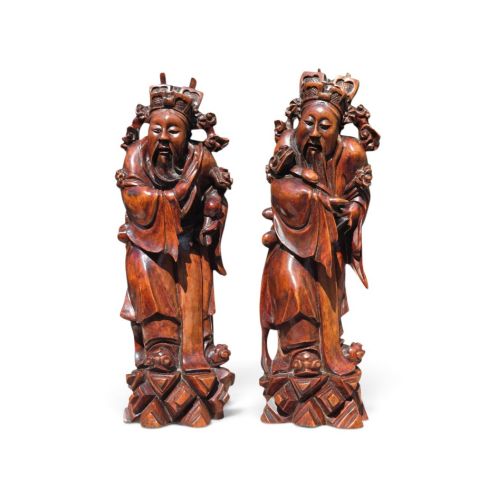
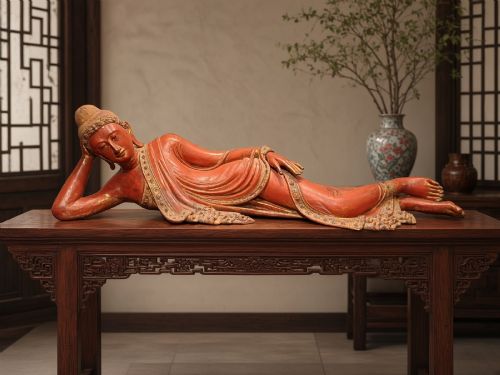
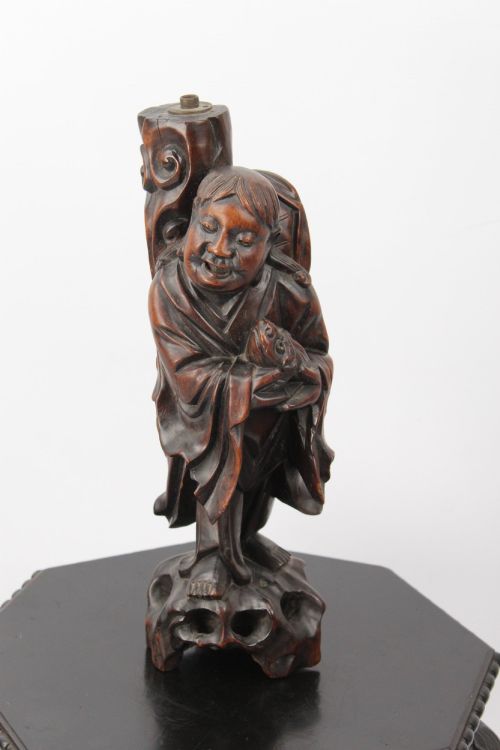
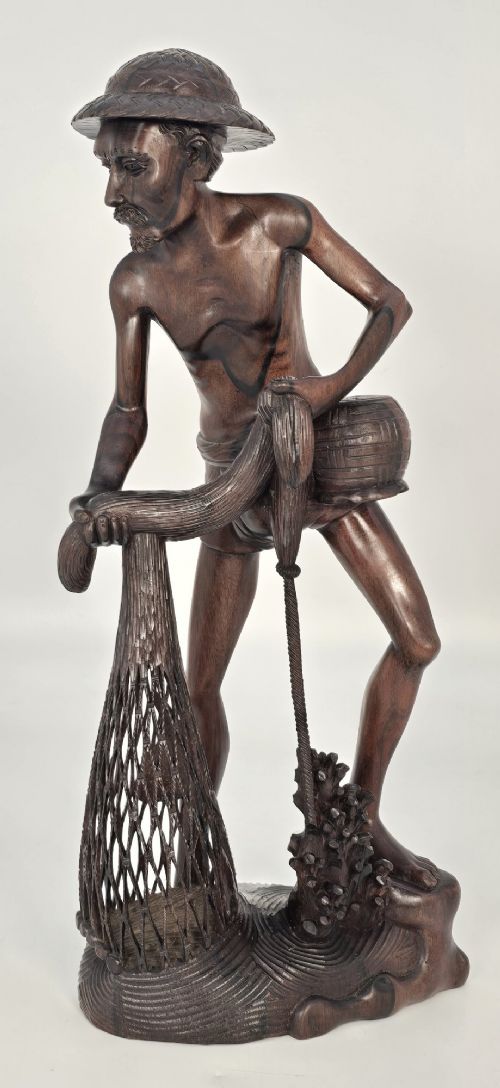
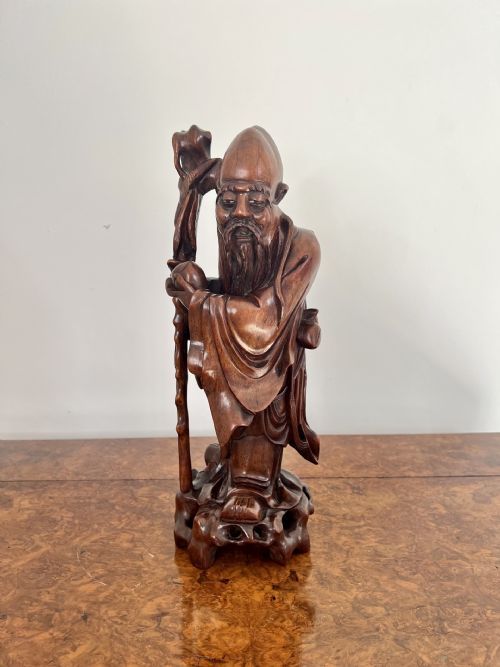
When searching for an antique asian wooden figure, collectors encounter sculptural works originating predominantly from China, Japan, and Burma across the eighteenth, nineteenth, and early twentieth centuries. These works take the form of standing or reclining religious deities, Daoist immortals, temple guardians, animals, and traditional figures like fishermen.
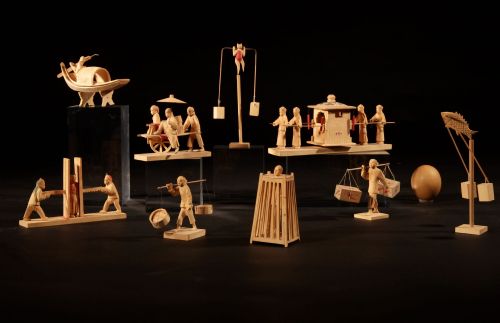
The selections span distinct cultural periods such as the Qing Dynasty, the Japanese Meiji period, and the Edo period. Forms range from monumental temple figures and ritual statues down to intricate boxwood okimono and root wood carvings.
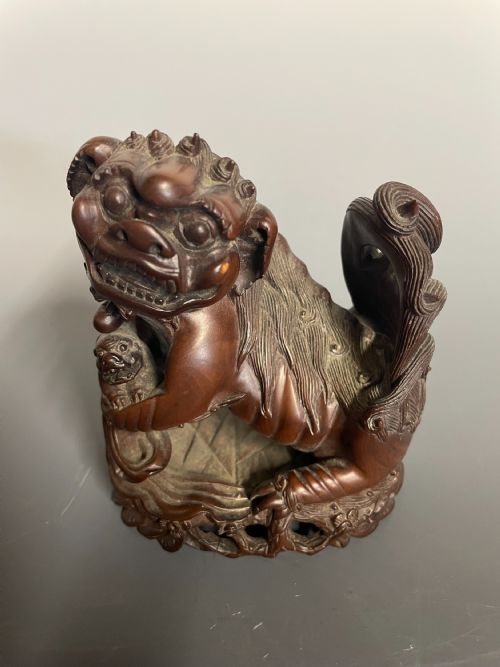
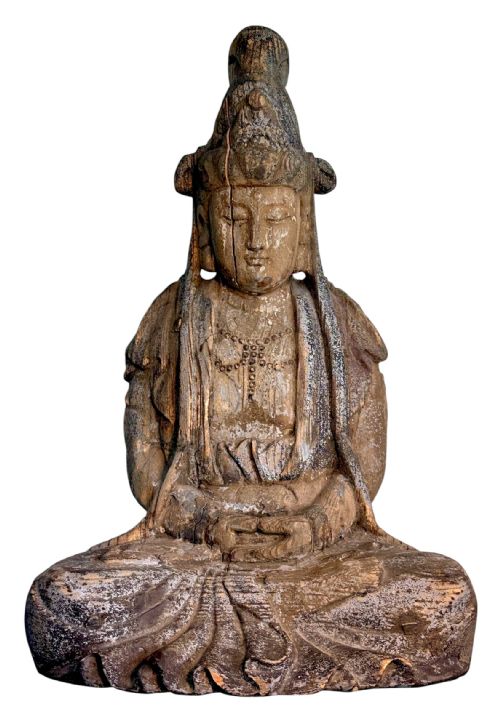
Buyers frequently find depictions of figures like Budai, Guanyin, and Foo dogs. These pieces serve as decorative objects, table lamps, and freestanding sculptures shaped from dense timber.
How they were made
Carvers utilised various timbers including standard hardwood, boxwood, and organic root wood, shaping the material with hand tools to follow the natural contours and grain of the wood. Many pieces employ deep relief carving to define garments, facial expressions, and anatomical details.
A Japanese tobacco box holds a figural pipe depicting Daruma stretching.
What varies in quality
The distinction between standard and superior pieces rests upon the anatomical precision of the carving and the depth of the relief work. Master carvers achieved expressive vitality in the faces and hands, whereas lesser examples rely on stiff, repetitive forms.
The preservation of original surface treatments such as gold leaf, lacquer, and polychrome paint heavily influences the character of a piece. Examples retaining their untouched historic finishes demonstrate greater visual depth than those with altered surfaces.
Masayuki
The Antique Asian Wooden Figure Glossary
- Okimono
- A Japanese freestanding ornamental carving intended for display on a household shelf or tokonoma.
- Root wood
- Timber sourced from the root system of a tree, prized for its gnarled, twisting natural forms that dictate the shape of the finished carving.
- Gilt wood
- Wood that has been coated with a thin layer of gold leaf or gold paint to create a luminous surface.
- Boxwood
- A dense, pale hardwood favoured by carvers for detailed miniature work and intricate netsuke.
- Foo dog
- A traditional guardian lion figure placed to protect sacred or domestic spaces.
Antique Asian Wooden Figure: Frequently Asked Questions
How do you date a wooden figure?
Dating relies on stylistic markers associated with specific eras such as the Qing Dynasty or the Japanese Meiji period. Material choices, tool marks, and the ageing of lacquer or paint also provide clues.
Examining the natural oxidation of the timber helps determine the approximate age of the piece.
Were these figures painted?
Many Asian wooden figures featured polychrome paint or gold leaf applied over the bare timber. These finishes accentuated the robes and ritual garments of deities.
Over time, much of this original pigment has worn down or been partially lost through handling and age.
What is root wood carving?
Root wood carving uses the natural, irregular growths of tree roots to inspire the shape of a sculpture. Artisans incorporate the twisting grain into figures of scholars or animals.
This technique allows the natural form of the timber to guide the final composition.