




Antique Asian Wall Decor
Antique asian wall decor spans tribal textiles and lacquered panels from across the continent.
Antique Asian Wall Decor
When buyers search for antique asian wall decor, they look at hanging textiles, painted panels, and mounted porcelain plates from various Eastern traditions. These objects range from nomadic embroideries of Central Asia to carved wood panels and framed prints from East Asia.
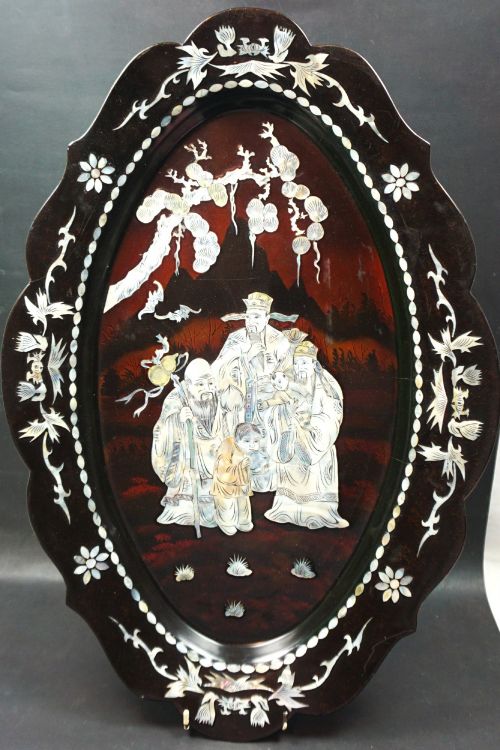
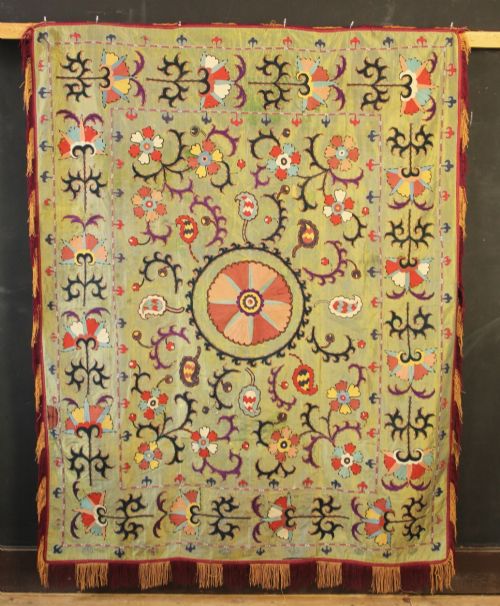
The pieces most frequently met on this page include Uzbek dowry embroideries, Japanese Imari porcelain plates, and lacquered wood roundels. Such items bring distinct regional materials and historical forms directly into domestic interiors.
Origins stretch from the Trans-Caspian steppes to the workshops of China and Japan, encompassing nomadic tribal works as well as courtly and domestic arts. Each category reflects the specific utilitarian or decorative purpose of its culture of origin.
How they were made
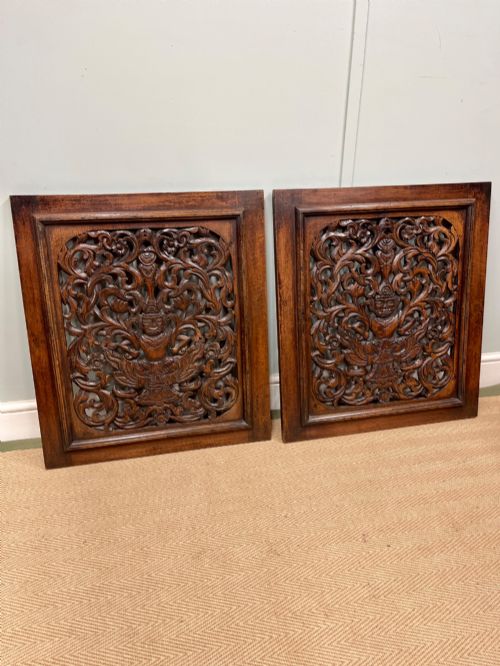
Materials utilised across these pieces include woven wool, silk thread on textile grounds, carved wood, and fired porcelain with enamel glazes. Artisans also employed bone inlay, mother-of-pearl, bronze, and glass to achieve textured surfaces.
Techniques range from nomadic embroidery and tent-band weaving to woodblock printing, reverse glass painting, and lacquering. Craftsmen combined these specialised skills with natural pigments and precious metals to create durable wall ornaments.
Listings feature textiles and wooden artefacts spanning the nineteenth century alongside pieces from the Edwardian era.
What varies in quality
Quality rests upon the fineness of the handwork, whether in the tightness of a tribal embroidery stitch or the crispness of a woodblock carved line. Superior pieces show deliberate execution in every decorative detail without losing their regional character.
The choice and preservation of natural materials also determine standard, from rich silk grounds retaining their original dye to well-maintained lacquered surfaces with intact inlay. Condition of the mounting and framing further distinguishes standard decorative items.
The Antique Asian Wall Decor Glossary
- Suzani
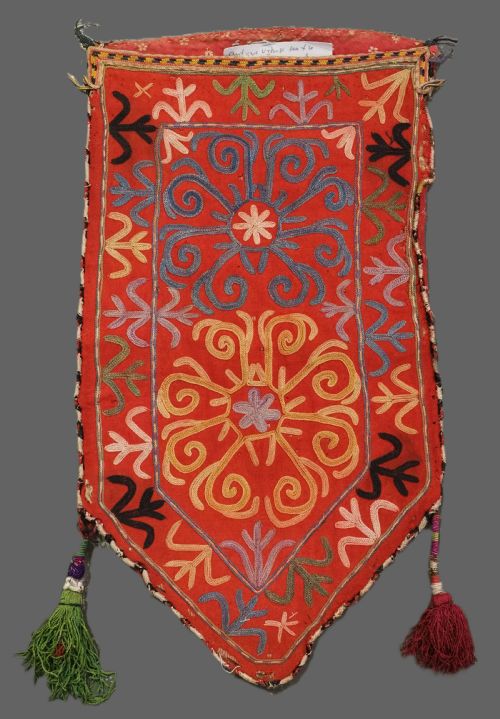
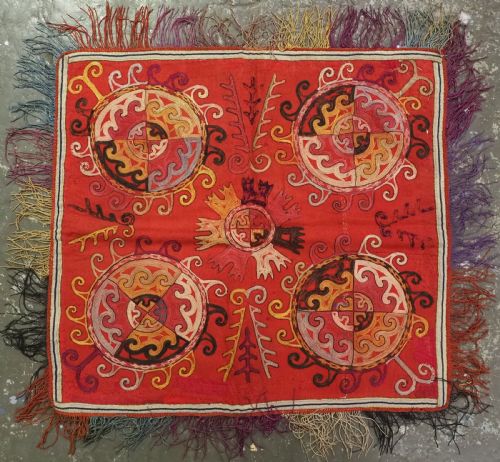
- An embroidered tribal hanging originating from Central Asia, traditionally worked in silk on a wool or cotton ground. These textiles served as dowry items and wall decorations.
- Imari
- A type of Japanese porcelain decorated in underglaze blue and overglaze red, gold, and green. Plates and dishes in this style were exported in large quantities.
- Ukiyo-e
- A genre of Japanese woodblock prints and paintings depicting scenes of everyday life, nature, and historical tales. These works are often mounted with silk brocade.
- Lacquered
- Coated with multiple layers of resin derived from specific trees to produce a hard, smooth, and glossy surface. This technique protects wood panels and platters while allowing for mother-of-pearl inlay.
- Chinoiserie
- A European artistic style reflecting Chinese aesthetic influences, commonly seen in framed mirrors and decorative furnishings from the Edwardian era.
Antique Asian Wall Decor: Frequently Asked Questions
How do I hang a textile safely?
Textiles require careful support to distribute weight evenly across the fabric without pulling individual threads.
Conservation mounting often involves stitching the piece onto a padded, fabric-covered board before framing behind glass or acrylic.
What is an ilgich?
An ilgich is a specific type of Uzbek wall hanging used traditionally in nomadic dwellings for decoration.
These embroidered pieces frequently display bold geometric and floral motifs worked in silk on wool grounds.
Are reverse glass paintings fragile?
Reverse glass paintings are executed directly onto the back of a glass panel, meaning the pigment layer sits protected behind the transparent surface.
Handling requires care to prevent the glass from cracking or the backing from shifting against the paint.