




Qing Dynasty Lacquer Art
Qing dynasty lacquer art brings carved panels and cinnabar vases into your home, offering rich textures and historic depth.
Qing Dynasty Lacquer Art
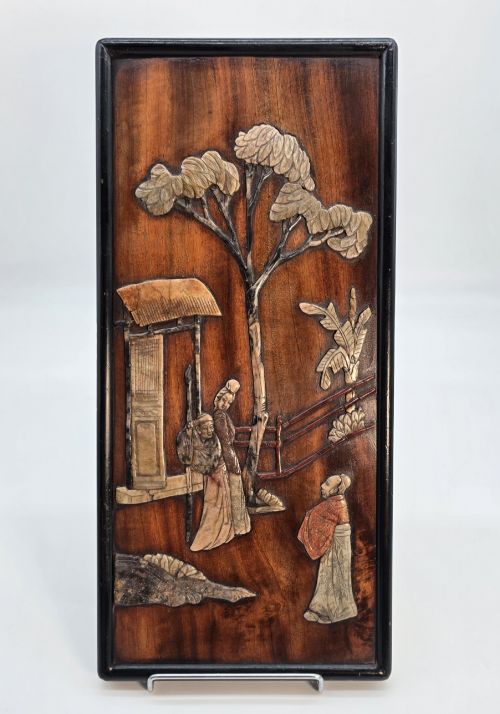
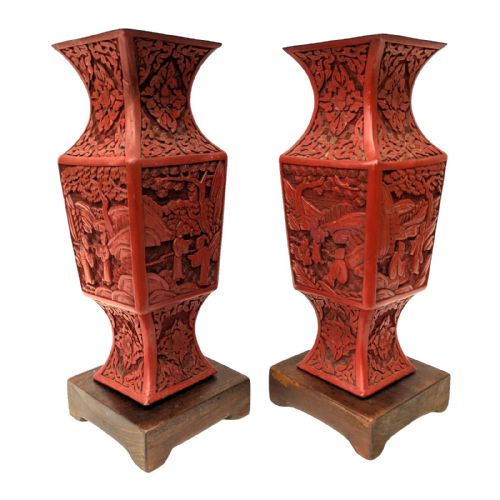
When you search for qing dynasty lacquer art, you find wall art, plaques, and vases that reflect historic Chinese craftsmanship. The examples you meet on this page span the nineteenth century, including pieces dated to eighteen fifty, eighteen ninety, and nineteen hundred.
These items take the form of wall plaques, wall carvings, and statues alongside pairs of vases. Many pieces arrive as matched pairs of temple panels or sets of decorative framed panels, showing various traditional motifs.
How they were made
Workshops utilised wood, softwood, and hardwood as the primary foundation for these carved items. Skilled artisans applied layers of lacquer, sometimes enhanced with gold leaf, to build up deep relief surfaces.
Details often incorporate hardstone and soapstone elements set into the lacquer ground. Brass components occasionally appear on panel fittings and mounts.
Qing Dynasty Lacquer Art Retail Price Guide 2026
Typical asking prices for qing dynasty lacquer art among the pieces listed under this phrase on Sellingantiques today, from the lower quarter to the upper quarter. They describe what is for sale here now, not the wider market.
Some panels arrive in sets of six, giving you enough carved foliage to start your own indoor jungle.
What varies in quality
Depth of carving and clarity of detail separate standard decorative items from finer examples. The precision in handling lacquer layers and the crispness of the gilt wood determine the visual weight of the piece.
The complexity of the composition, particularly in multi-panel sets and framed wall plaques, indicates the skill level of the maker.
The Qing Dynasty Lacquer Art Glossary
- Cinnabar lacquer
- A carved red lacquer material named after the mineral pigment used to create its rich colour. This technique requires numerous layers applied before carving intricate designs.
- Coromandel work
- A form of incised lacquer where designs are carved into the surface and filled with pigments or gold. The style appears on exported Chinese panels.
- Temple panel
- A large carved wooden architectural element originating from religious buildings. These items often feature elaborate figural and floral relief work.
- Hardstone
- A collective term for decorative minerals like jade or soapstone used in Chinese inlay work. Artisans set these stones into lacquer surfaces to create contrasting highlights.
Qing Dynasty Lacquer Art: Frequently Asked Questions
Where should I place cinnabar vases?
Display red cinnabar lacquer vases away from direct sunlight to preserve the rich pigment of the carved surface. A stable cabinet or mantelpiece offers ideal protection from accidental knocks.
Keep these items in rooms with steady humidity levels to prevent the underlying wood base from shifting. Gentle placement ensures the delicate carved details remain undamaged.
How do I clean lacquer art?
Dust these surfaces gently using a soft, dry cloth to remove surface particles without scratching the lacquer. Avoid chemical cleaning agents and abrasive cloths that can dull the historic finish.
Professional conservators should handle any deep cleaning or repairs on nineteenth-century pieces. Regular, gentle dusting is all that is required for routine maintenance.
What defines nineteenth-century Chinese export style?
Export pieces produced for Western markets often blend traditional Chinese motifs with formats suited to European interiors, such as framed wall art. These items reflect the cross-cultural exchange of the period.
Matching sets and decorative panels from this era demonstrate both local craftsmanship and foreign stylistic preferences. They offer a distinct window into nineteenth-century trade aesthetics.