





Vintage Oriental Wooden Panel
A vintage oriental wooden panel brings rich carving, lacquer and cultural narrative into a room, offering an instant focal point for collectors.
Vintage Oriental Wooden Panel
When you search for a vintage oriental wooden panel, you encounter an array of items spanning wall plaques, architectural salvage, and multi-fold screens. These pieces originate from diverse traditions including Chinese Qing style, Meiji Japan, and Anglo-Indian craftsmanship.
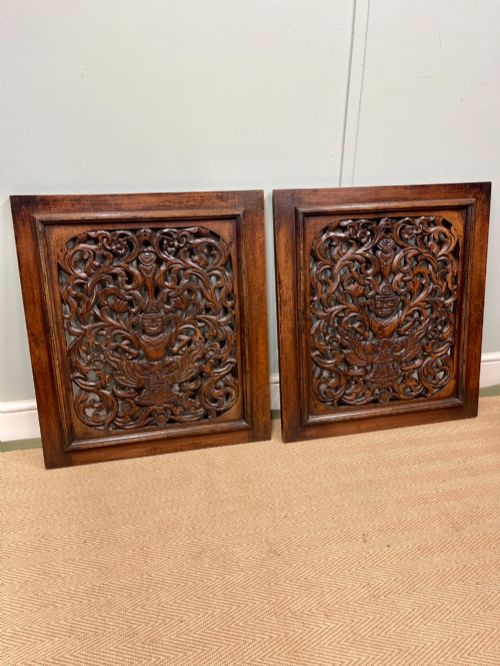
The objects on this page range from nineteenth-century Burmese carvings to early twentieth-century Chinese lacquered panels and Japanese roundels. Buyers frequently find folding screens, room dividers, and carved teak wall hangings among the available selections.
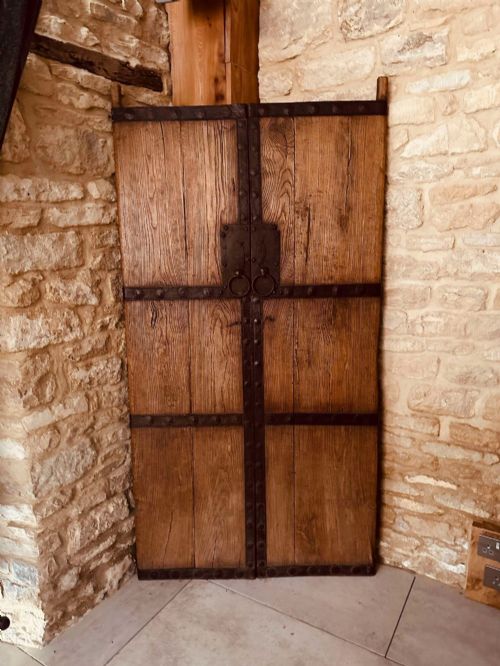
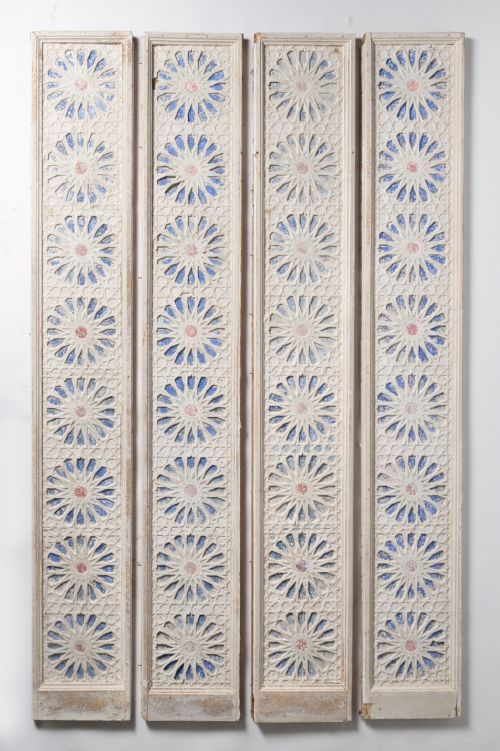
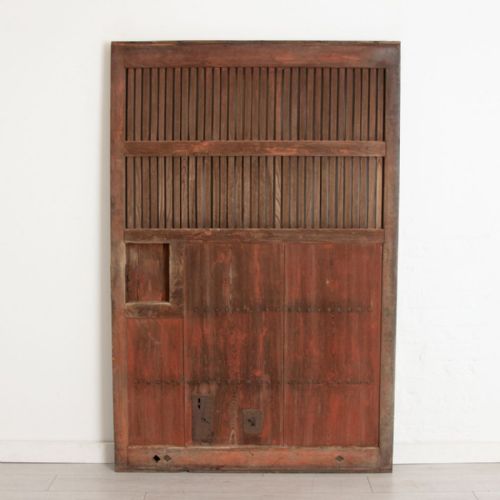
Forms vary from intricate wall relief carvings and storehouse doors to coffee tables incorporating antique fretwork panels under glass tops. Each item reflects distinct regional aesthetics, utilising traditional woodworking and surface decoration techniques.
Materials and construction methods
Artisans constructed these panels using solid woods and hardwoods such as teak, alongside structural brass elements and glass. Surface finishes frequently incorporate lacquer, gold leaf, and detailed mother-of-pearl or abalone inlay depicting natural scenes.
Carving techniques vary from deep hand-carved wood relief work to delicate fretwork and painted lacquer details. Makers combined traditional joinery with surface ornamentation to create durable structural dividers and decorative wall art.
Vintage Oriental Wooden Panel Retail Price Guide 2026
Typical asking prices for vintage oriental wooden panel among the pieces listed under this phrase on Sellingantiques today, from the lower quarter to the upper quarter. They describe what is for sale here now, not the wider market.
Listings feature periods from the early nineteenth century through to the mid-twentieth century, encompassing both traditional Asian craftsmanship and Anglo-Indian styles.
Distinctions in quality
Quality in these pieces rests upon the depth and precision of the hand-carving and the preservation of original lacquer and inlay. Superior examples display crisp details in foliage, birds, and figural motifs without crude secondary repairs.
The integrity of the underlying hardwood, the stability of multi-fold hinges, and the attachment of delicate mother-of-pearl or foilage elements separate standard decorative items from finer collector pieces.
The Vintage Oriental Wooden Panel Glossary
- Lacquer
- A durable resin finish applied in multiple coats to wood surfaces, often polished to a smooth sheen. It protects the wood while providing a base for painted or inlaid decoration.
- Fretwork
- An ornamental design created by piercing wood with a scroll saw or chisel to form openwork patterns. This technique appears frequently in screens and furniture panels.
- Mother of Pearl
- The iridescent inner layer of mollusc shells, utilised in thin segments for inlay work. Craftsmen shape these pieces to depict birds, flowers, and foliage against dark lacquer.
- Roundel
- A circular decorative panel or motif used in architectural elements and wall art. These pieces often feature painted or lacquered Japanese designs.
- Architectural Salvage
- Building components rescued from older structures for decorative reuse. This category includes dismantled doors and structural panels repurposed as wall hangings.
Vintage Oriental Wooden Panel: Frequently Asked Questions
How are folding screens used in modern interiors?
Folding screens serve as versatile room dividers to zone open-plan spaces or act as striking decorative wall backdrops. They offer a practical method to alter room layouts without permanent structural changes.
Positioning a screen against a plain wall highlights its carved wood or lacquered surface detail. They function equally well in bedrooms as dressing screens or in living areas to create intimate seating corners.
What is the difference between Chinese and Japanese panels?
Chinese panels frequently feature deep hand-carved wood relief, Qing dynasty motifs, and intricate fretwork. These pieces often incorporate rich lacquerwork and inlaid abalone depicting narrative or natural scenes.
Japanese panels and screens, particularly from the Meiji period, often emphasise painted lacquer surfaces and circular roundels. The aesthetic leans towards refined restraint and subtle depiction of flora and fauna.
How do I care for lacquered wood panels?
Lacquered and wooden panels require protection from direct sunlight and extreme humidity fluctuations to prevent cracking. Dusting gently with a dry, soft cloth preserves the delicate surface finish and mother-of-pearl inlay.
Avoid chemical polishes or excessive moisture, which can damage aged lacquer and foilage details. Maintaining a stable indoor climate ensures the wood and inlay remain secure.
How can I identify the age of a carved panel?
Dating relies on examining the tool marks left by hand-carving, the type of wood utilised, and the wear patterns on the lacquer. Nineteenth-century examples often exhibit distinct hand-tool signatures and patination absent in later reproductions.
Stylistic markers, such as specific Qing dynasty motifs or Meiji era painting styles, provide further chronological context. Construction methods like traditional joinery also indicate the period of manufacture.