
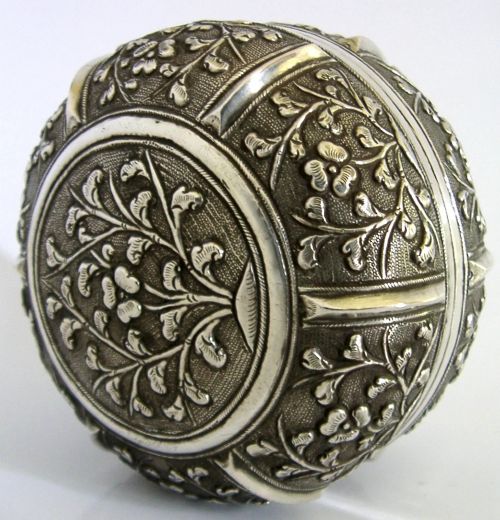


Antique Asian Silver
These pieces of antique asian silver span delicate export dishes and robust tribal ornaments, forged by distant hands to reward careful looking.
Antique Asian Silver
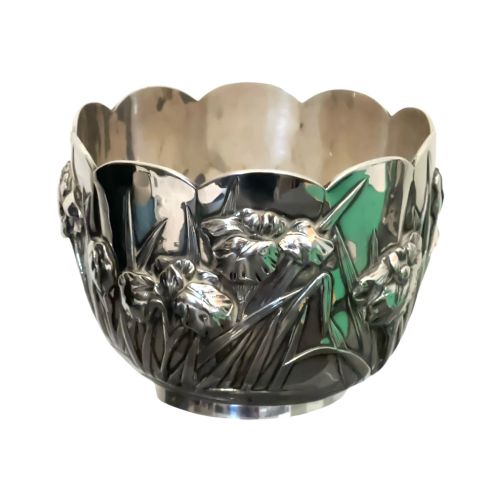
Regional styles dictate the character of each piece, from Chinese export silver featuring floral motifs to Central Asian tribal jewellery worked in silver metal thread and white metal. Japanese metalwork employs bronze and iron alongside precious metals to create vases, plaques, and figures. Each category reveals distinct manufacturing traditions rooted in its specific geography.
How they were made
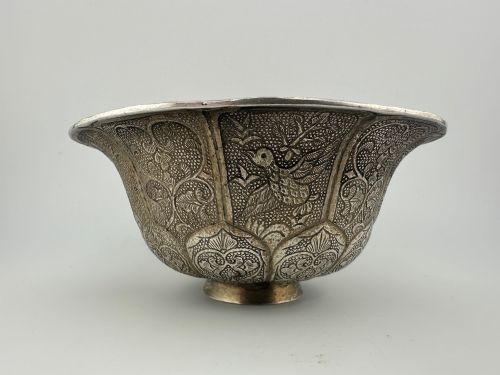
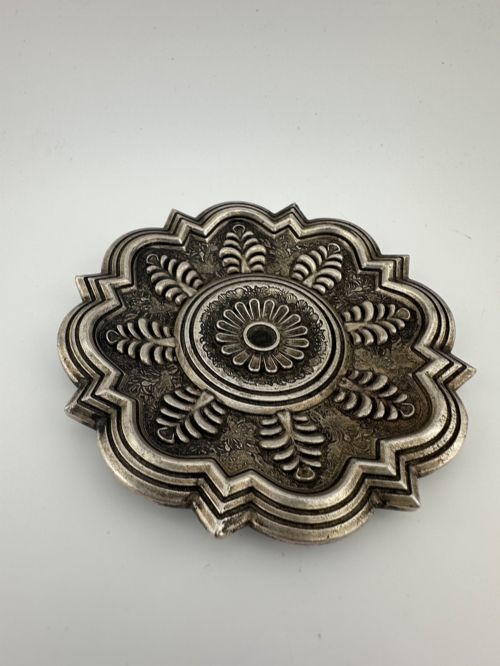
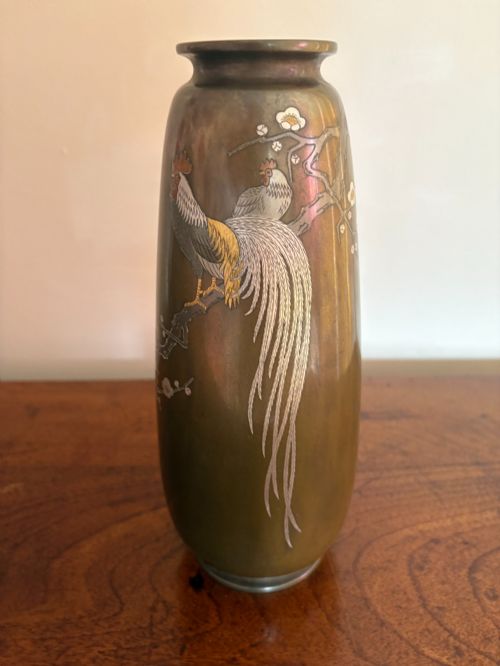
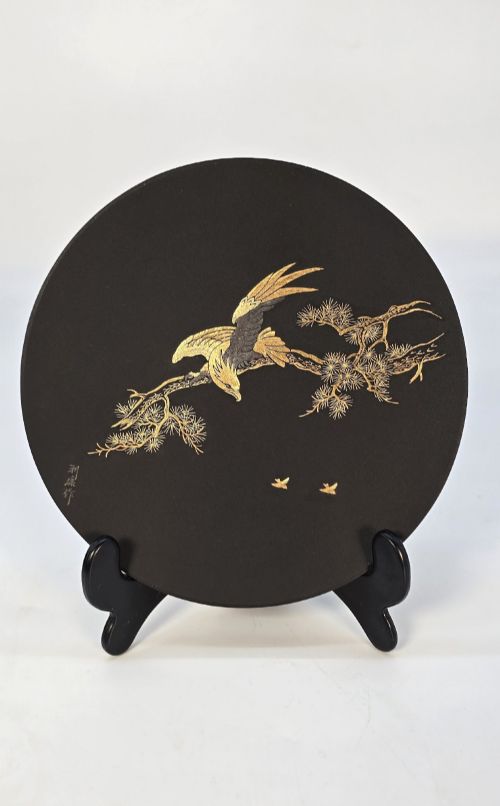
Makers utilised solid silver, white metal, and copper alloy as foundational materials, frequently combining them with bronze, gold gilt, wood, and carnelian. Repoussé work and hand-chased figures dominate the surface treatment of bowls and boxes, creating high relief patterns. Inlay techniques involving gold and iron appear on Japanese plaques and vases, while niello work defines specific regional boxes.
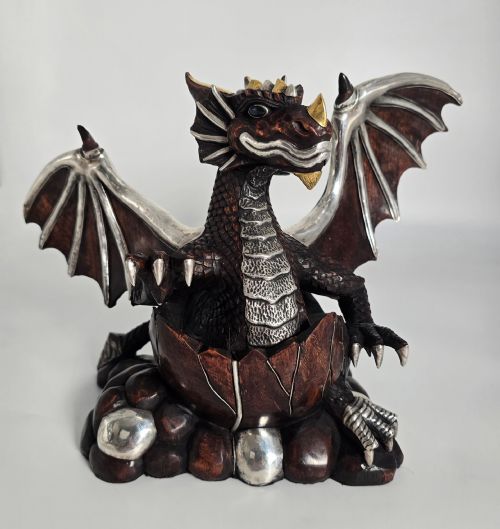
Casting and hammering shaped the heavier ritual ewers and figures, whereas delicate jewellery pieces relied on fine wirework and brocade. Artisans integrated organic elements like cherry wood and bamboo into vessels and walking sticks to contrast with the metallic surfaces. Each technique reflects the specialised skills of workshops across different Asian territories.
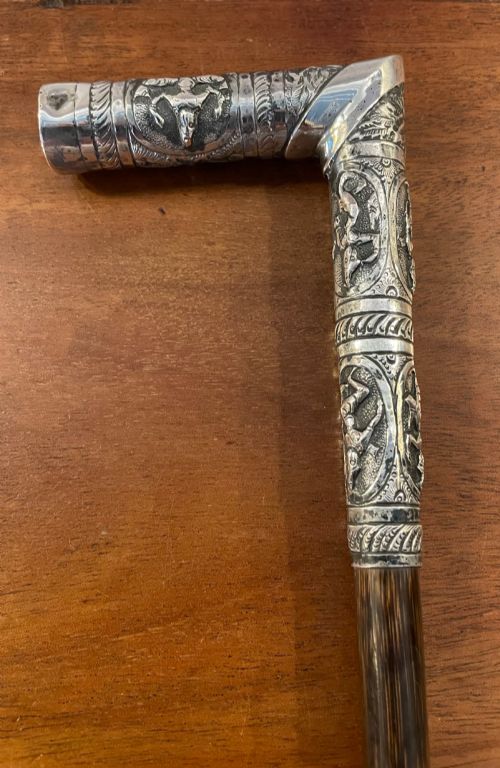
A nineteenth-century walking stick conceals a functional sword beneath its silver-mounted exterior, offering discreet protection for the Victorian traveller.
What varies in quality
The distinction between ordinary and exceptional pieces lies in the crispness of the hand-chased detail and the depth of the repoussé relief. Superior items exhibit deliberate control over complex figurative or floral motifs, whereas lesser examples show softer, shallower incisions. The integration of mixed media, such as precise gold and silver inlay upon patinated iron or bronze, elevates the standing of a piece.
Proportion and structural integrity also separate standard regional items from masterworks. Well-balanced forms with secure attachments, such as integrated bamboo handles or tightly fitted covers, demonstrate superior craftsmanship. The purity of the metal and the clarity of maker marks or regional hallmarks further determine the standing of individual objects.
Luen Hing·KANASAWA
The Antique Asian Silver Glossary
- Repoussé
- A metalworking technique where the artisan hammers the metal from the reverse side to form a raised design on the front. This method creates tactile, three-dimensional decorative reliefs on bowls and boxes.
- Niello
- A black metallic alloy used as an inlay on engraved silver or other metals. It creates contrasting dark backgrounds that highlight intricate geometric or floral patterns.
- White metal
- An alloy of relatively low melting point metals, often used in export pieces where high-purity silver was not standard. It provides a bright, durable surface for chased decoration.
- Cordiform
- Heart-shaped in outline, a term frequently applied to traditional Central Asian pendants and amulets. These pieces often feature specific tribal motifs and suspension loops.
- Koro
- A traditional Japanese incense burner typically supported on legs and fitted with a pierced lid. These vessels incorporate metals like bronze and silver.
- Betal box
- A container specifically designed to hold ingredients for chewing betal nut, common in Southeast Asian cultures. They are frequently cast in bronze or silver with internal compartments.
Antique Asian Silver: Frequently Asked Questions
What is Chinese export silver?
Chinese export silver refers to items produced in China specifically for Western markets during the nineteenth and early twentieth centuries. These pieces often combine traditional Asian motifs with European vessel forms.
Makers working in port cities adapted their designs to satisfy foreign tastes while maintaining traditional manufacturing techniques like repoussé and chasing.
How do I care for antique silver?
Careful dusting with a soft cloth preserves the surface of antique silver and white metal without removing historic patination. Avoid harsh chemical dips that strip away the subtle details of hand-chased designs.
Store items in stable environments away from direct sunlight and high humidity to protect mixed materials like wood, velvet, and carnelian inserts.
Why do some bowls have marks?
Maker marks and artisan stamps identify the workshop or retailer responsible for retailing or producing the silver object. These stamps help historians trace the geographic origin and approximate date of manufacture.
Not all antique pieces carry marks, as many regional or tribal items were produced without formal workshop signatures.
How are Central Asian pendants worn?
Central Asian pendants, such as the cordiform Asyk types from Turkmen tribes, were traditionally worn as protective tribal ornaments or components of elaborate head-dresses and belt assemblies. They served cultural and social functions within specific communities.
Today, collectors appreciate these pieces both as textile ornaments and as sculptural metalwork displays.