
Antique Asian Porcelain
When you handle antique asian porcelain, you touch centuries of precise kiln work from Chinese and Japanese kilns.
Antique Asian Porcelain
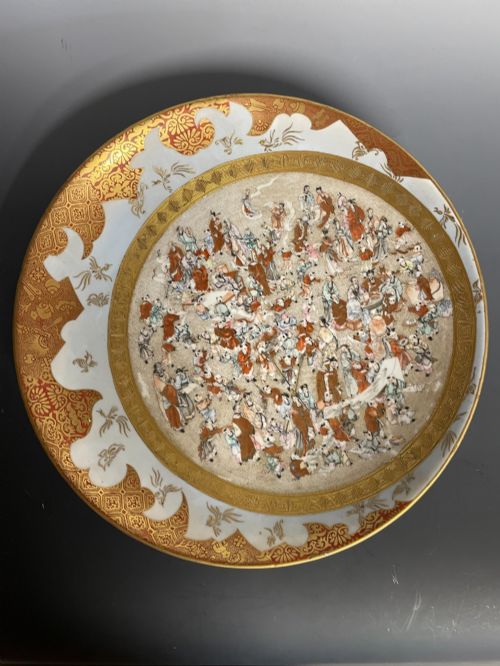
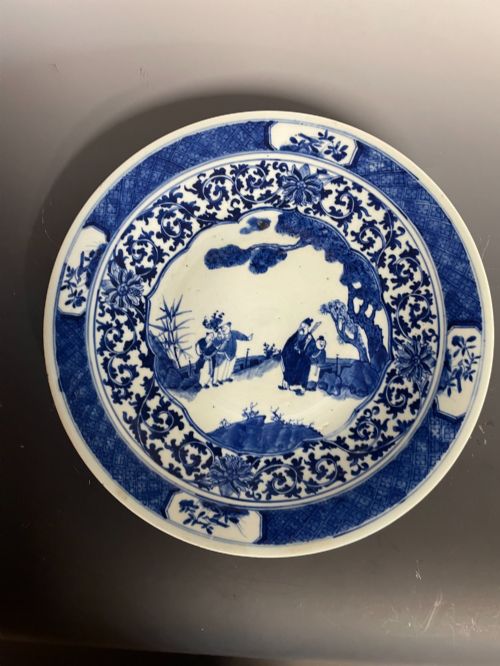
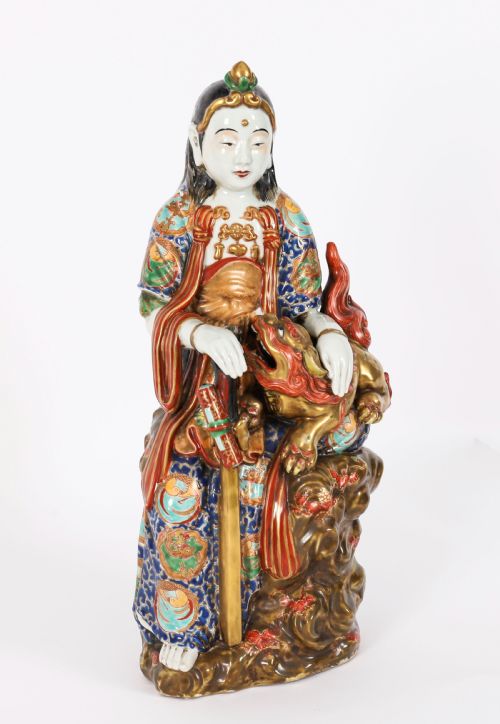
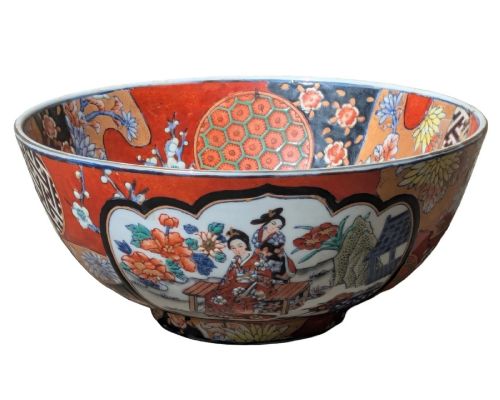
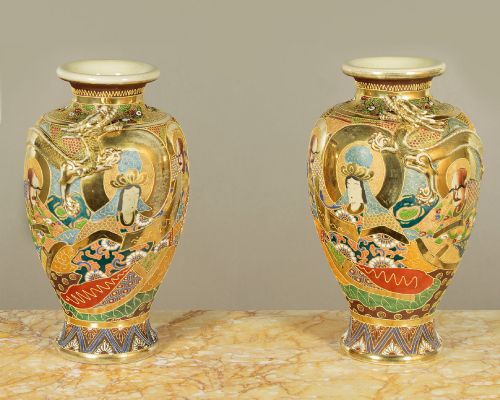
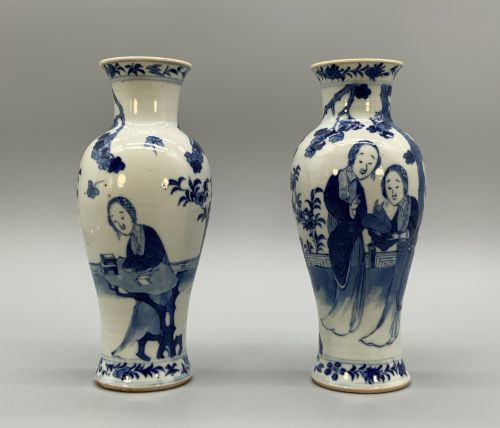
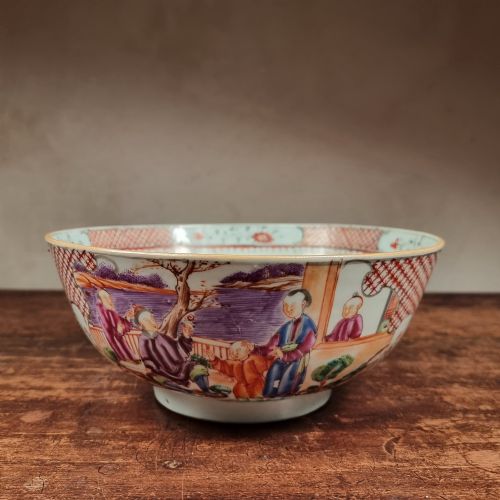
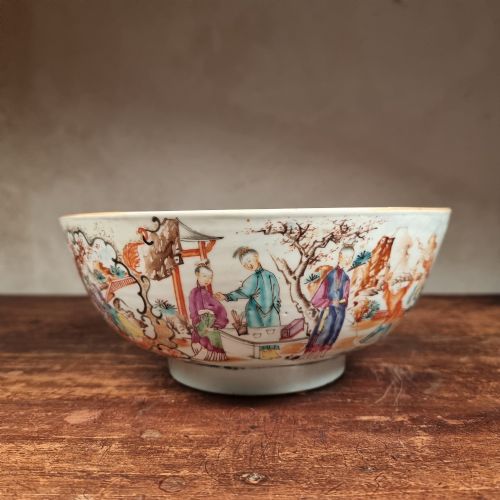
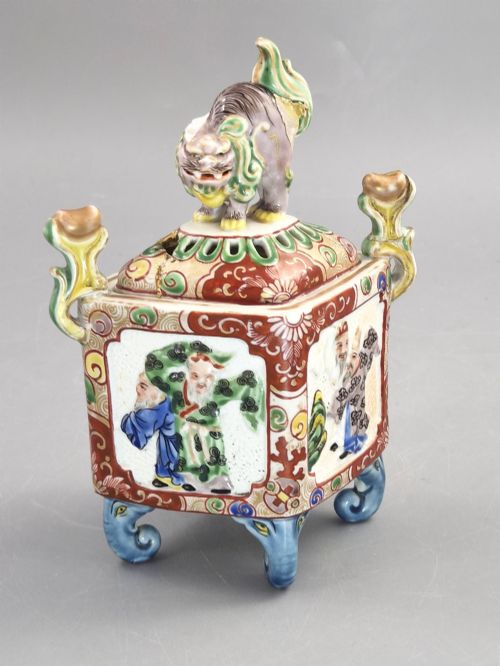
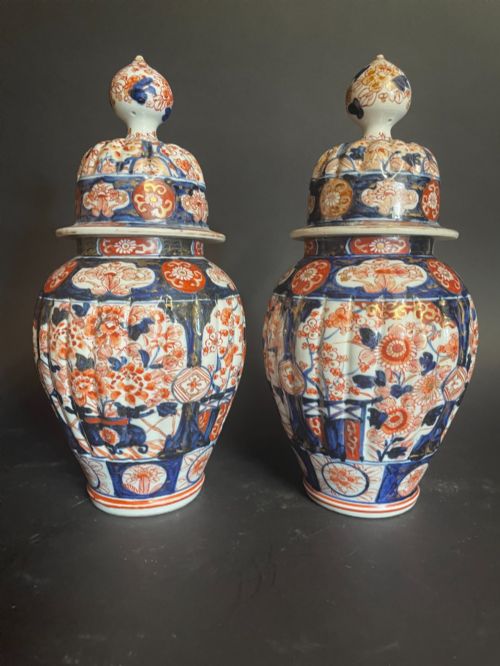
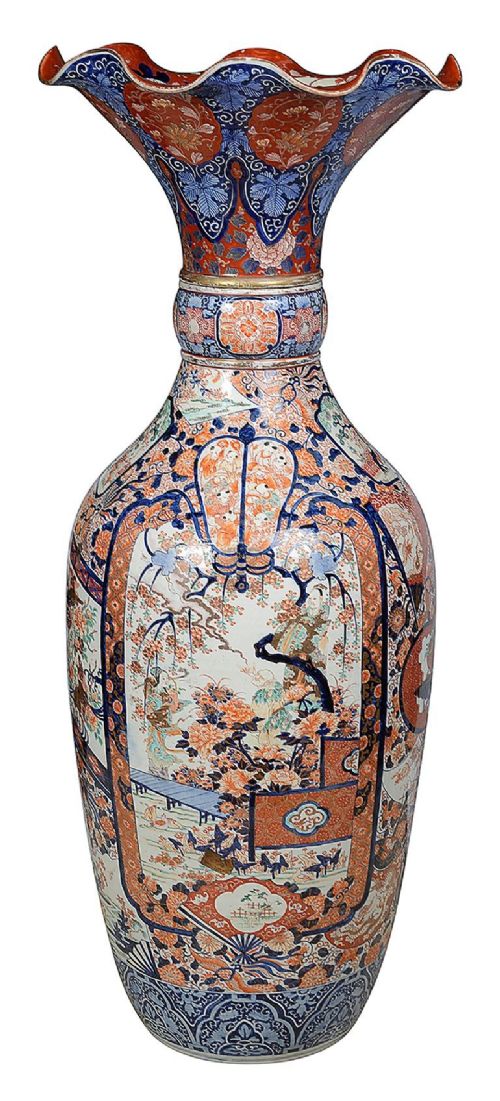
Antique asian porcelain encompasses a diverse selection of vessels, plates, bowls, and figures originating from Chinese and Japanese traditions across several centuries. The pieces on this page span the Ming, Qing, and Meiji periods, taking forms such as blue and white jars, Imari dishes, Kutani vases, and Satsuma lamps.
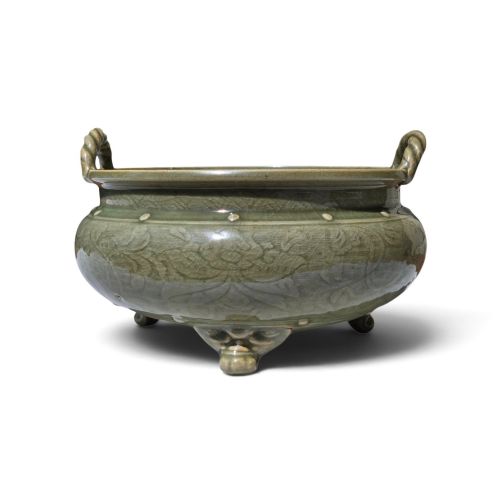
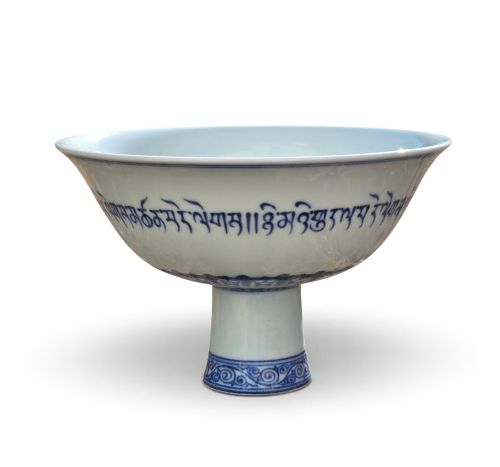
Vessels range from large floor vases and temple jars to delicate tea cups, stem cups, and incense burners. Many examples reflect domestic use or export markets, while sculptural works depict figures like Guanyin and Bodhidharma alongside birds and floral motifs.
How they were made
Potters shaped fine clay and porcelain bodies before applying intricate underglaze blue, enamel colours, and sometimes gold leaf highlights. Firing took place in high-temperature kilns that vitrified the paste and fused the colourful glazes to the surface.
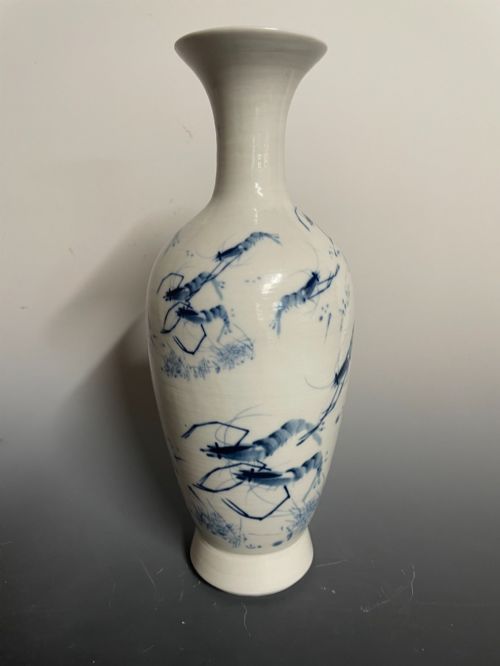
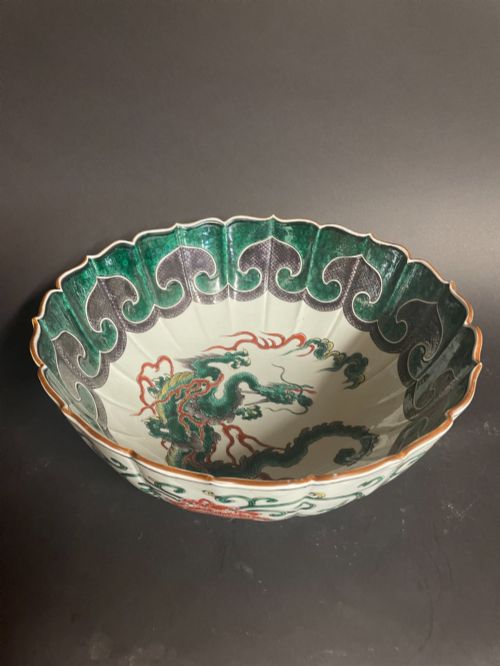
Decoration relied on hand-painted brushwork executed with precise control, showing cobalt blue pigments, famille rose enamels, or celadon glazes. Artisans also utilised mould-forming, carving, and scalloping techniques to shape edges on plates, bowls, and jars.
A seventeenth-century Japanese vase was repurposed into a household lamp, proving that old ceramics adapt to modern domestic illumination.
What varies in quality
Quality rests upon the crispness of the hand-painted details, the depth and clarity of the glaze, and the precision of the form. Pieces with balanced proportions, vibrant enamel work, and carefully controlled underglaze painting stand apart from simpler production ware.
The sophistication of the potting and the execution of complex motifs, such as figural scenes or intricate borders, distinguish standard items from exceptional imperial or high-period commissions.
The Antique Asian Porcelain Glossary
- Celadon
- A transparent green glaze over a porcelain or stoneware body, often showing subtle crackle lines. It originated in China and mimics the appearance of jade.
- Imari
- A style of Japanese porcelain decorated in underglaze blue, iron red, and gold, produced in Arita and exported widely through the port of Imari. These wares gained immense popularity in European interiors during the seventeenth and eighteenth centuries.
- Satsuma
- Japanese earthenware with a fine ivory crackle glaze, decorated with enamel colours and gilding. Originating in Satsuma province, these decorative pieces often depict elaborate figural and nature scenes.
- Doucai
- A Chinese porcelain technique combining underglaze blue outlines with overglaze enamel infills. Potters first paint the outline in cobalt before firing, then add coloured enamels for a second lower-temperature kiln run.
Antique Asian Porcelain: Frequently Asked Questions
How do I date antique asian porcelain?
Dating relies on stylistic markers, reign marks, glaze composition, and manufacturing techniques recorded across periods such as the Ming Dynasty, Qing Dynasty, and Meiji Period.
Comparing potting styles and decorative motifs helps place an object within its correct historical era, though spurious marks require careful examination of the actual body and pigments.
How should I display these porcelain pieces?
Display porcelain in stable locations away from direct sunlight and heavy foot traffic where vibrations might cause accidental knocks.
Larger vases and jar lamps suit floor placement or sturdy furniture tops, while bowls and plates benefit from secure stands or dedicated cabinet shelving.
Were these pieces made for export?
Many items created during the Qing Dynasty and Meiji Period were specifically tailored for Western export markets, adapting traditional eastern motifs to European tastes.
Export wares often include table lamps, large decorative chargers, and garniture sets designed to ornament grand colonial and Victorian interiors.
What is the difference between Chinese and Japanese porcelain?
Chinese porcelain often emphasises classical forms, underglaze blue painting, and monochrome or celadon glazes developed over successive dynasties like the Ming and Qing.
Japanese production, exemplified by Imari and Kutani traditions, frequently introduces vibrant overglaze enamel palettes, iron red tones, and extensive gilding on both porcelain and earthenware.