


Antique Asian Artwork
These pieces of antique asian artwork bring centuries of skilled craftsmanship, from delicate silk paintings to heavy bronze temple figures, directly into your home.
Antique Asian Artwork
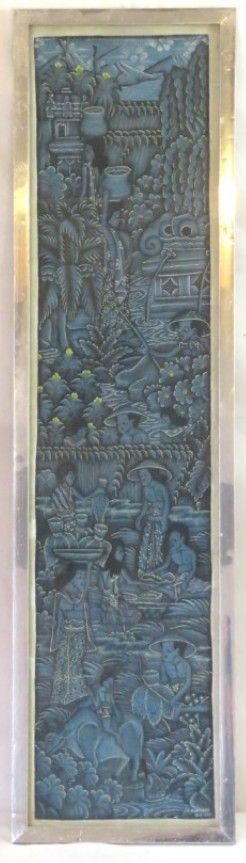
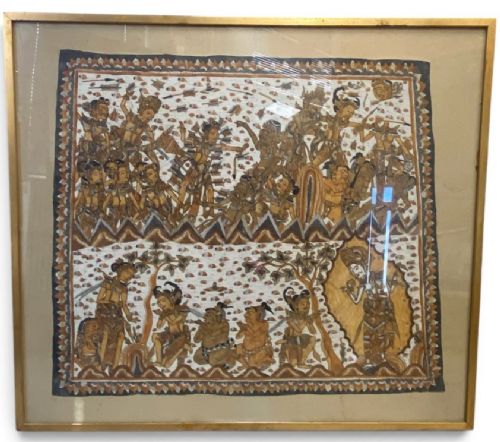
When you search for antique asian artwork, you encounter a diverse range of objects spanning multiple centuries and regions across the continent. The selections here heavily feature Chinese and Japanese creations, alongside pieces originating from India, Bali, and other territories.
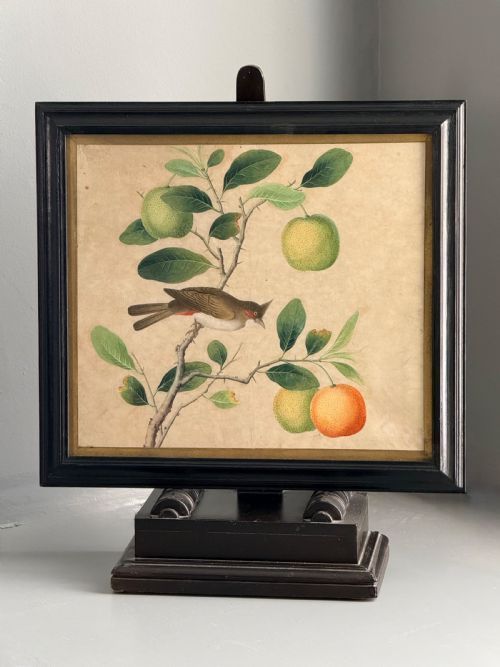
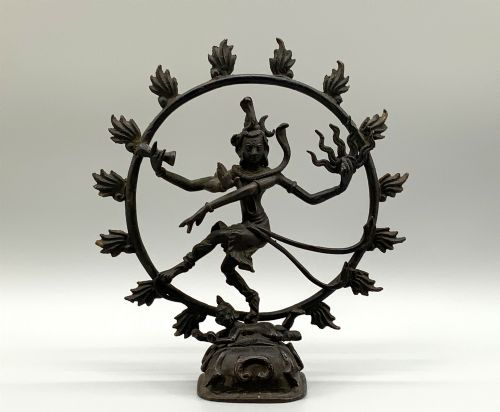
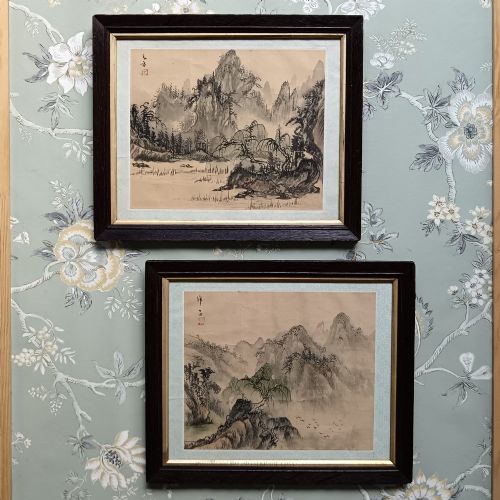
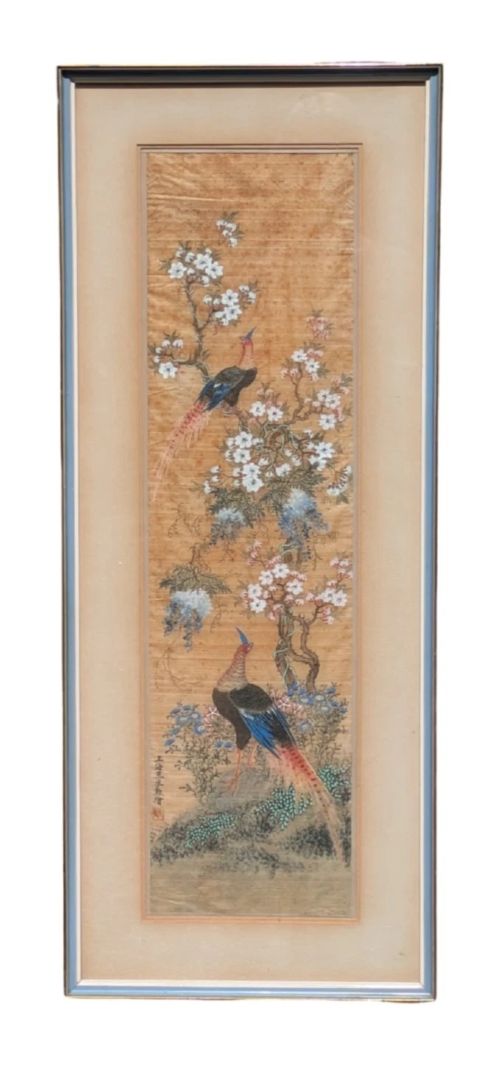
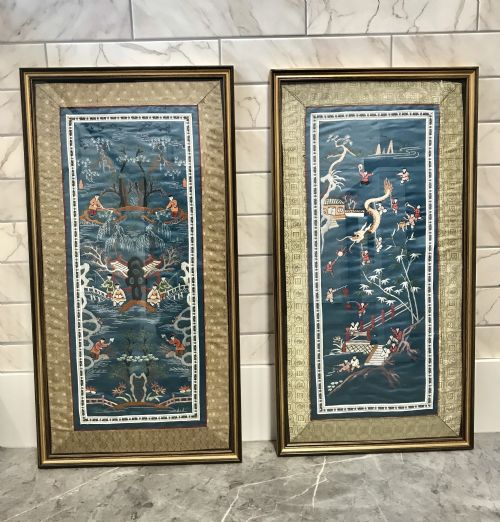
The assortment encompasses framed paintings, hanging scrolls, and textiles alongside solid bronze sculptures and carved jade landscapes. Wall art and framed paintings dominate the offerings, frequently rendered on silk, pith paper, or canvas.
Pieces frequently date from the nineteenth and early twentieth centuries, though earlier examples like seventeenth-century scroll paintings and sixteenth-century gilt bronzes also appear. Buyers often seek these distinct aesthetic traditions to anchor a room with historical depth and cultural narrative.
Materials and production methods
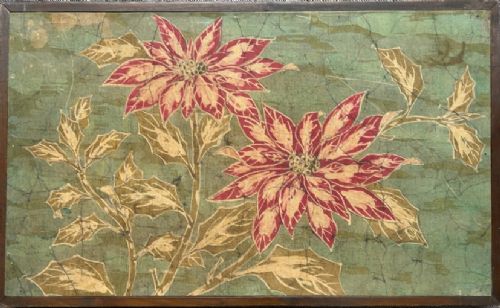
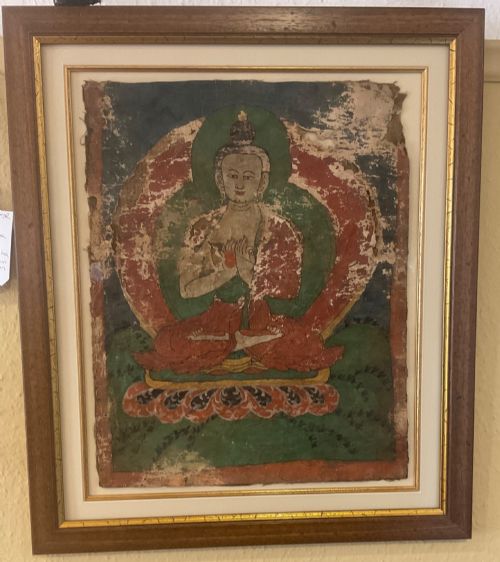
Makers utilised organic materials such as silk, paper, wood, and cotton textiles as grounds for detailed brushwork and hand-sewn embroidery. Pigments, ink, gouache, and watercolour brought landscapes, portraits of ancestors, and mythological figures to vibrant life on these fragile surfaces.
Metalwork involved casting bronze and gilt metals, often finished with polychrome paint or detailed cloisonne enamel work. Hardstones like jade were painstakingly carved into complex landscape sculptures and mounted on fitted hardwood stands for display.
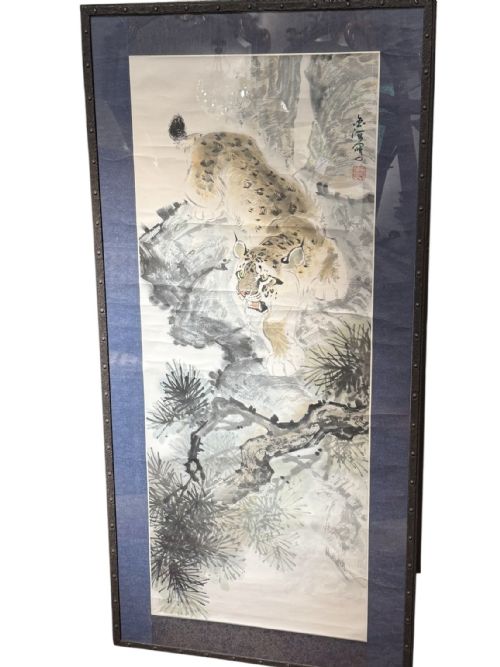
A delightfully plump snow leopard gazes out from one early twentieth-century scroll, proving that fierce temple guardians had competition in the charm department.
Determining quality in the pieces
Quality reveals itself in the precision of the brushwork, the delicacy of the needlework, and the crispness of the casting in metal sculptures. Superior pieces maintain their original framing, vibrant pigment retention, and structural integrity across textiles and paper.
The refinement of the carving on jade mountains and the complexity of cloisonne enamel patterns distinguish finer examples from standard decorative items. Authenticity of period materials, such as genuine pith paper or period silk mounts, elevates the standing of any artwork.
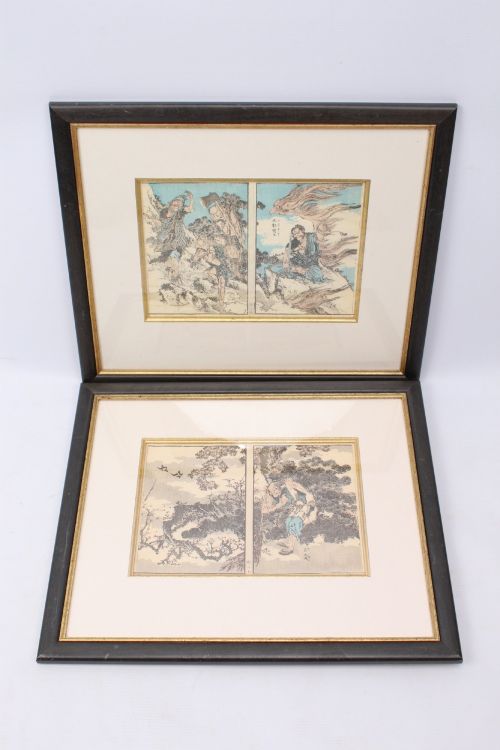
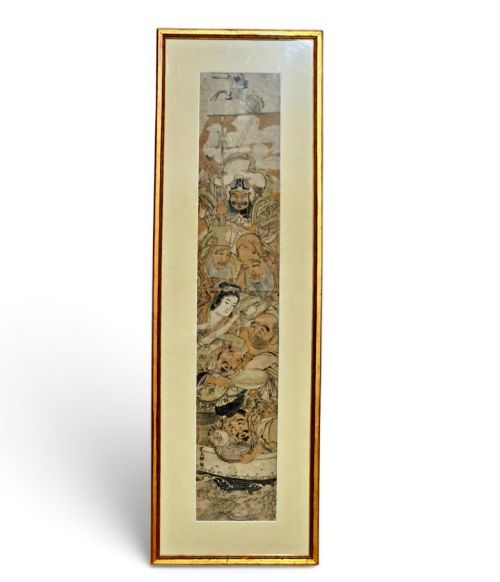
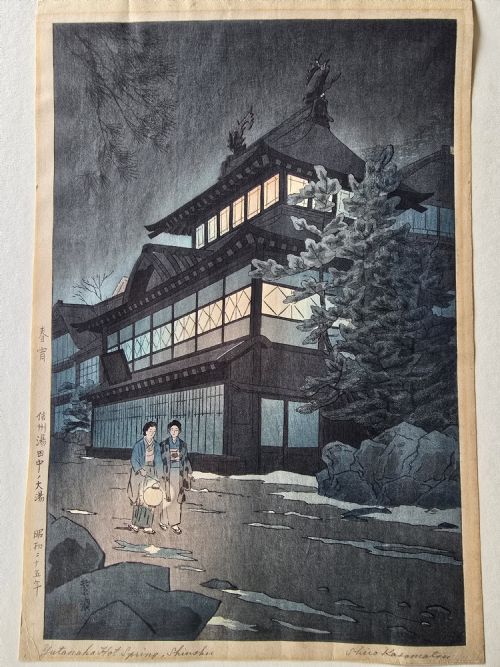
Takabatake Kasho·Kunisada·Hokusai·Ah Hee Studio
The Antique Asian Artwork Glossary
- Ukiyo-e
- A genre of Japanese art flourishing from the seventeenth through nineteenth centuries. Artists produced woodblock prints and paintings depicting scenes of everyday life and famous actors.
- Cloisonne
- A technique for decorating metal object surfaces with areas separated by wire partitions. Artisans fill these spaces with coloured enamel paste before firing.
- Okimono
- A Japanese statuette designed for display in a household alcove or on a shelf. These decorative objects are typically carved from wood or cast in bronze.
- Pith paper
- A delicate material made from the spongy pith of the Tetrapanax papyrifer plant. Artists in nineteenth-century China painted intricate watercolours upon these fragile sheets.
Antique Asian Artwork: Frequently Asked Questions
How should I hang a Chinese scroll?
Hanging scrolls require careful handling away from direct sunlight to protect the fragile silk and paper grounds. Use appropriate wall hooks that securely support the weight of the mounting rods without causing damage.
Keep the display area at a stable humidity level to prevent the textile or paper from warping or cracking over time. Allow the scroll to hang naturally so the fabric settles without developing permanent creases.
What is an ancestor painting?
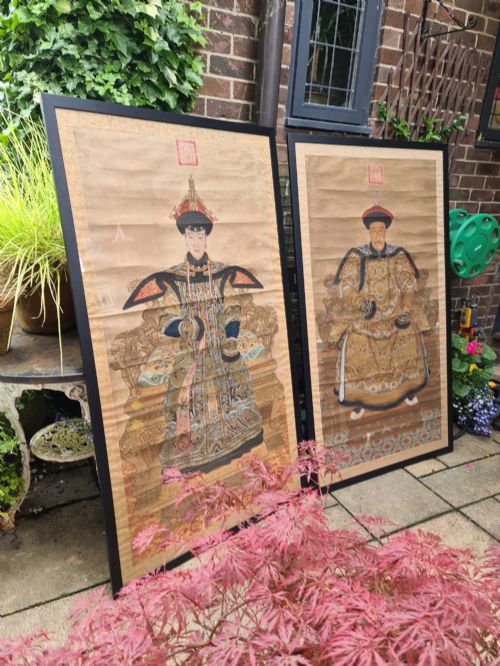
Ancestor paintings served as memorial portraits commissioned by families to honour deceased relatives in traditional households. These formal works typically depict figures seated in stiff, dignified poses within ancestral halls.
Artists paid meticulous attention to the rich robes and insignia badges that denoted the social rank of the sitters. Such paintings formed part of ancestral worship rituals and family shrines.
How do I clean a bronze sculpture?
Dust bronze figures gently with a soft, dry brush to remove surface particles without scratching the metal. Avoid using water, household cleaners, or abrasive cloths that can strip away patinas and historic finishes.
Maintain a stable indoor environment to prevent active corrosion or verdigris from forming on the metal surface. Professional conservation advice should be sought if structural intervention becomes necessary.
Are woodblock prints original?
Traditional woodblock prints were produced through a collaborative process involving a publisher, designer, block carver, and printer. Multiple impressions were pulled from hand-carved cherry wood blocks using water-based pigments on handmade paper.
Many prints available today date from the nineteenth century or earlier periods, representing authentic editions from historic publishing houses. Close inspection reveals wood grain textures and pigment bleed characteristic of authentic printing methods.