


Green Mounted Print
A green mounted print brings disciplined colour and historical character to a wall, offering framed visual records from several distinct past centuries.
Green Mounted Print
A green mounted print gathers framed works on paper, card, and cardboard, featuring subjects that range from natural history illustrations to architectural engravings and maps. These pieces arrive in styles spanning the Georgian, Victorian, and Edwardian eras, alongside Regency and Japanese Ukiyo-e aesthetics.
Most examples found here combine paper or card imagery with traditional framing materials like wood, glass, and gold leaf. The green mount serves to frame the visual content, drawing the eye directly towards the inked or hand-coloured details within.
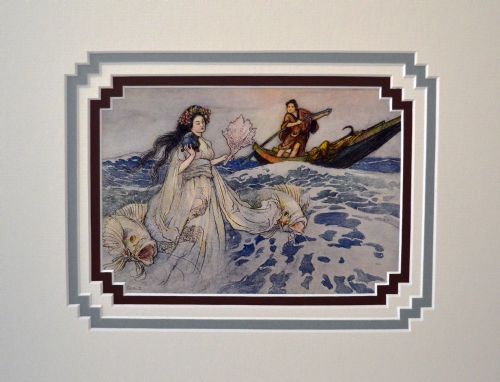
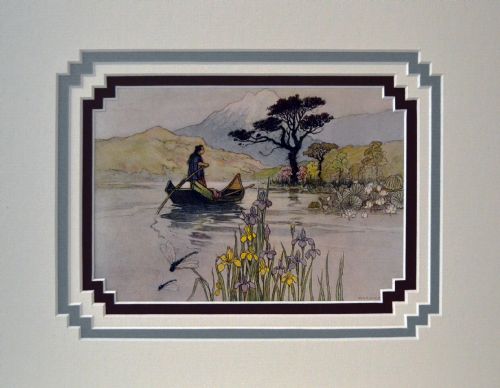
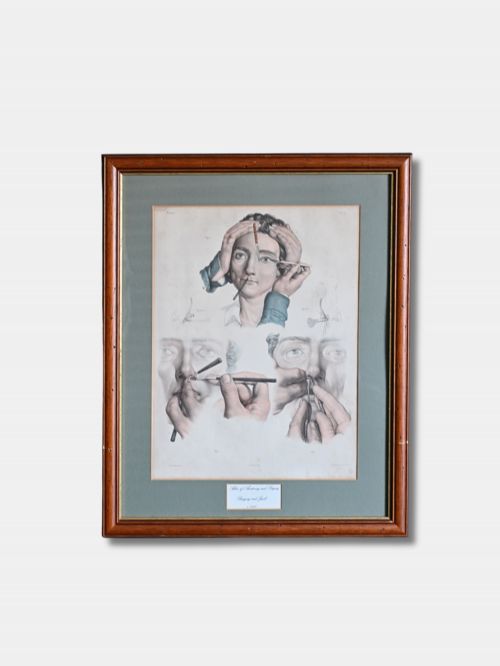
The selection encompasses diverse printed forms, including hand-coloured lithographs, woodblock prints, bird engravings, and double prints. Origins stretch from British mapmakers and illustrators to French medical and architectural workshops and Japanese printmakers.
Materials and construction methods
Makers utilised paper, card, and cardboard as the primary surface for printing and engraving processes, applying ink and occasional hand-colouring to delineate the subject matter. Wood provides the structural housing for the frames, frequently accompanied by glass to protect the delicate paper surfaces.
Listings feature paper, wood, glass, and gold leaf across Georgian, Victorian, and Edwardian periods.
Distinctions in craftsmanship
Quality separates through the crispness of the original ink impression on the paper and the precision of any hand-applied colour. Finer examples retain strong pigment saturation without bleeding into the surrounding card mount.
The choice of framing materials plays a role, with solid wood mouldings and well-preserved gold leaf indicating superior workshop standards compared to simpler timber housings.
Warwick Goble·Kunisada·T.M Baynes·John Cary·William Swainson
The Green Mounted Print Glossary
- Lithograph
- A print produced from a flat stone or metal plate on which the image areas are greasy and absorbent to ink. This technique allowed for detailed tonal gradation and accurate reproduction of illustrative works.
- Engraving
- An intaglio printmaking process where an artist cuts lines into a wooden block or metal plate to hold ink. The resulting impressions display sharp, precise linework.
- Woodblock print
- A relief printing technique involving carved wooden blocks coated in ink and pressed onto paper. It is central to traditional Japanese Ukiyo-e productions.
- Mount
- A cardboard or paper border placed around a print inside the frame. It separates the paper surface from the glass.
- Ukiyo-e
- A genre of Japanese art depicting scenes of floating worlds, prevalent in woodblock prints. These works often display distinct linear qualities and flat areas of colour.
Green Mounted Print: Frequently Asked Questions
What periods do these prints cover?
The selection spans the eighteenth, nineteenth, and early twentieth centuries. Pieces reflect Georgian, Regency, Victorian, and Edwardian aesthetic standards.
Individual works date from the seventeen-hundreds through to nineteen-thirty, capturing various historical illustration styles.
How should I hang a framed print?
Ensure the wall can support the weight of the wood, glass, and paper composition. Hang the piece at eye level to appreciate the detail of the ink and the green mount.
Keep framed paper works away from direct sunlight to prevent the fading of ink and card components.
What subjects appear in these works?
Subjects include Japanese fairy tales, medical procedures, hunting scenes, and racing prints. Other categories feature maps, bird engravings, and architectural studies.
Natural history and sporting themes are well represented across the various historical eras.
Are the frames original to the prints?
Framing practices varied across the Georgian, Victorian, and Edwardian periods. Many items retain period wood and gold leaf frames that complement the paper content.
Assessment relies on examining the construction of the timber moulding and the condition of the glass and backing materials.