

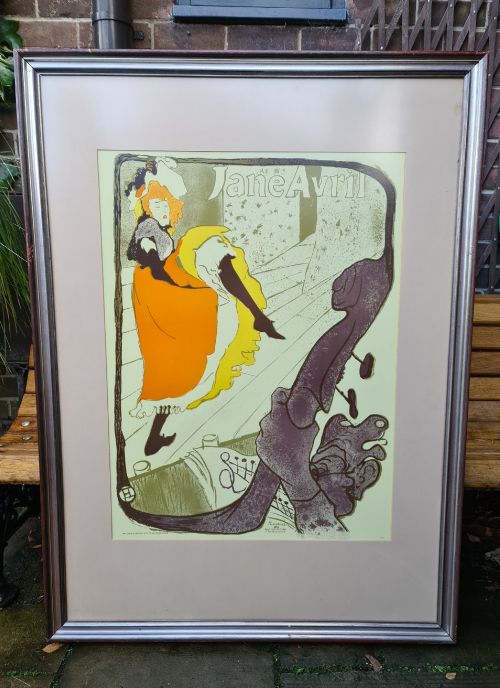


Framed Graphic Art
Framed graphic art brings together works on paper from Victorian days through the 1930s, offering distinct periods and styles for collectors.
Framed Graphic Art
Framed graphic art encompasses prints, etchings, engravings, woodblock prints, and vintage posters set behind glass within wood or metal frames. These works span the Victorian period, 1920, and 1930, capturing diverse visual traditions.
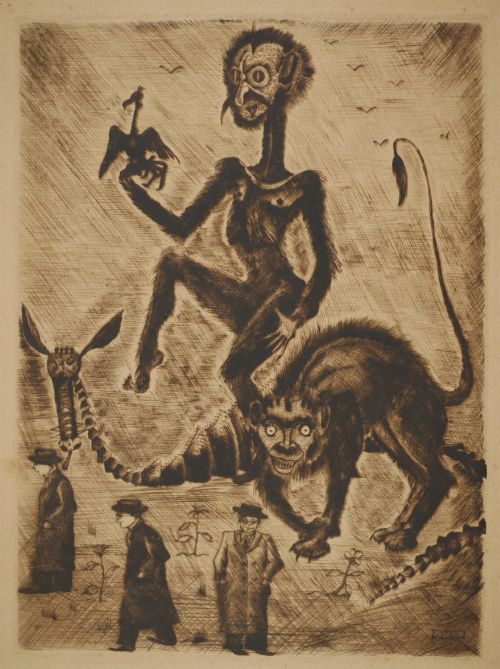
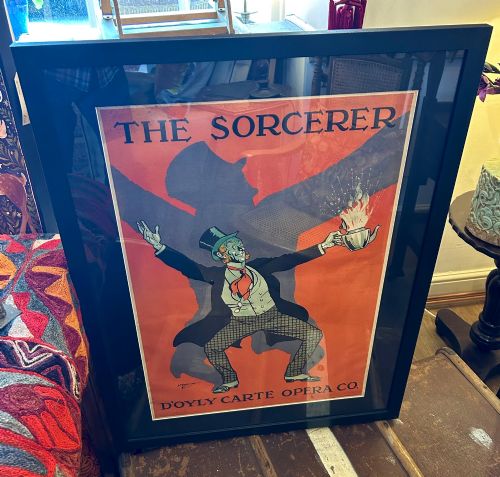
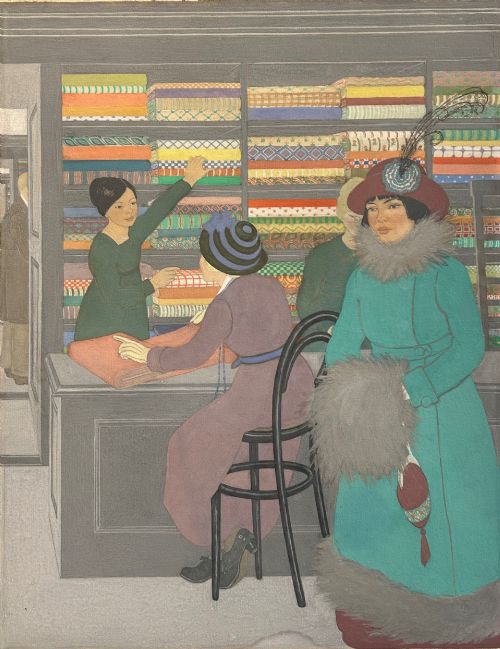
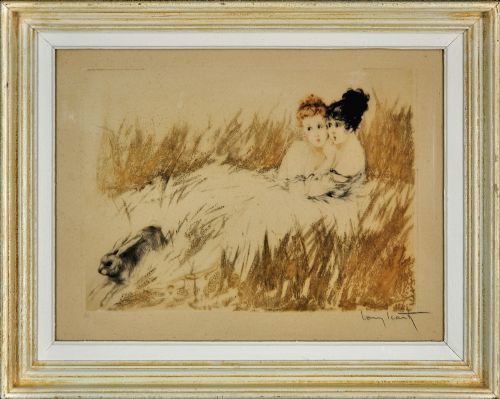
The selections on this page lean heavily towards early 20th century illustration, Art Deco, Art Nouveau, and Japanese Ukiyo-e. Pieces range from French posters and theatre advertising to surrealist etchings and pastoral prints.
Buyers encounter everything from single artist-signed drypoint etchings to sets of Art Nouveau prints and antique Japanese woodblocks. Each piece arrives mounted and glazed, ready for immediate display on a wall.
How they were made
The foundational medium across these pieces is paper or card, marked using ink through techniques such as etching, drypoint, engraving, and woodblock printing. Some works incorporate hand-colouring applied directly over the printed lines.
Frames are constructed from wood and metal, enclosing the paper behind protective glass to preserve the delicate surfaces. Card is frequently utilised for backing and mounting the prints securely within their borders.
Framed Graphic Art Retail Price Guide 2026
Typical asking prices for framed graphic art among the pieces listed under this phrase on Sellingantiques today, from the lower quarter to the upper quarter. They describe what is for sale here now, not the wider market.
Materials seen across these listings include paper, glass, wood, ink, wood frames, metal, and card.
What varies in quality
Quality rests upon the precision of the printing technique and the direct involvement of the artist, distinguishing limited editions and signed etchings from standard mechanical reproductions. The clarity of the ink work on paper dictates the visual impact.
The integrity of the framing materials also matters, with period wood and metal frames contributing to the overall authenticity of the piece. Preservation of the paper and glass over the decades shapes the enduring value of the artwork.
Kurt Lorein Victor Peiser·Louis Icart·Edgar J. Maybery·Albert Terry
The Framed Graphic Art Glossary
- Drypoint etching
- A printmaking method where an image is incised directly into a metal plate with a sharp needle, producing soft, velvety lines. This technique appears in early 20th-century works on paper.
- Woodblock print
- A relief printing process where ink is applied to carved wooden blocks and transferred to paper. This method defines traditional Japanese Ukiyo-e works.
- Engraving
- A technique involving the cutting of designs into a hard plate using a burin, creating sharp and precise printed lines. Examples from the Art Deco period utilise this method.
- Ukiyo-e
- A genre of Japanese art flourishing from the Edo period onwards, depicting scenes of floating worlds through woodblock prints. These pieces often feature traditional subject matter.
- Art Deco
- A design style dominant in the 1920s and 1930s characterised by streamlined geometric forms and modern elegance. Engravings and posters from this era reflect these distinct aesthetics.
Framed Graphic Art: Frequently Asked Questions
What periods do these pieces cover?
The listings span from the Victorian era through the 1920s and 1930s.
This covers early 20th-century illustration, Art Deco, and earlier traditional woodblocks.
Are all items supplied with frames?
Every piece comes complete with its frame, usually constructed from wood or metal and protected by glass.
This ensures the paper graphic art is safely enclosed and ready to hang.
What print techniques will I find?
The selection includes etchings, drypoint engravings, woodblock prints, and vintage posters.
Artists utilised ink on paper and card, occasionally adding hand-coloured details.
How do I care for framed graphic art?
Keep the pieces away from direct sunlight to prevent the ink and paper from fading over time.
Dust the wood or metal frames gently and avoid hanging them in damp rooms.