
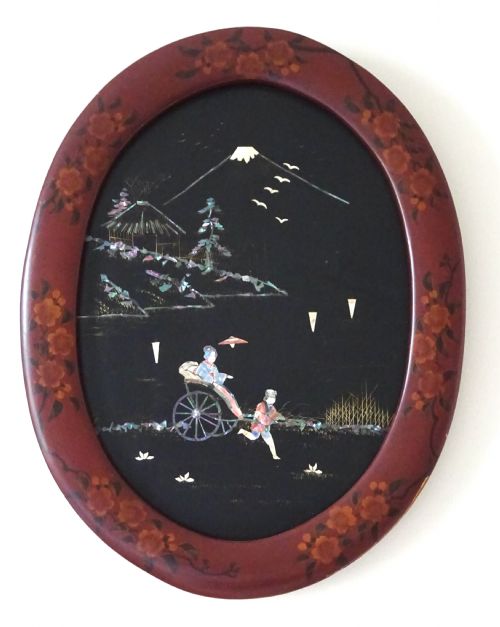


Framed Japanese Picture
A framed japanese picture brings intricate eastern artistry straight to your wall, spanning delicate silk textiles and bold woodblock prints.
Framed Japanese Picture
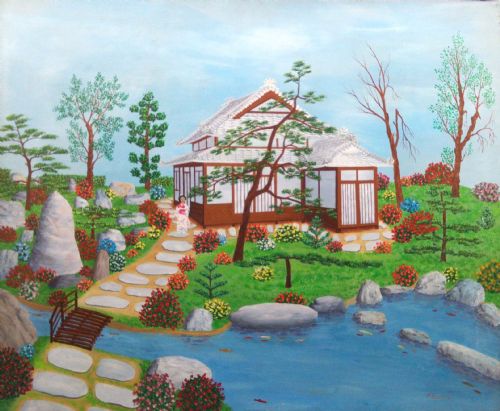
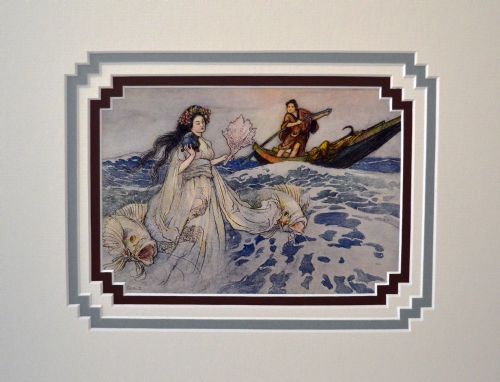
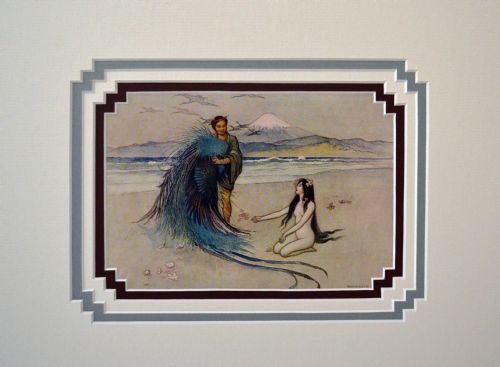
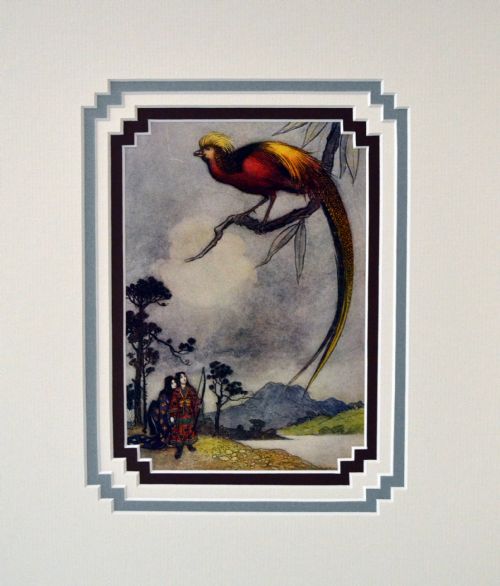
When you search for a framed japanese picture, you encounter a diverse array of wall art capturing centuries of visual culture. The selections on this page range from Victorian woodblock prints and Meiji period silk textiles to mid-twentieth-century naive oils and Taisho era book illustrations.
You are most likely to meet framed prints, antique paintings, and textile works housed behind glass within wooden or lacquered frames. These objects reflect both traditional domestic Japanese aesthetics and western interpretations from the Edwardian era.
The subjects span historical folklore, natural scenes like cherry blossoms and geese in flight, and narrative battle scenes. Each format provides a distinct window into the shifting artistic exchanges between Japan and Europe.
How they were made
The construction of these works relies upon organic media such as silk, paper, and card, mounted within protective wood and glass frames. Artisans applied ink, watercolours, and oil paint directly onto canvas, paper, or woven textiles to achieve lasting depth of colour.
Specialised techniques include traditional Japanese woodblock printing alongside mother-of-pearl and abalone inlay set into red lacquered wooden frames. Textile pieces utilise fine silk thread work, while paintings employ layered ink and pigment upon delicate grounds.
Listings feature periods spanning from the Victorian era and 19th century through the Meiji, Taisho, and Showa periods up to the 1960s.
What varies in quality
Quality rests in the crispness of the printing lines, the fineness of the silk needlework, and the preservation of the original pigments under glass. Pieces executed by named illustrators or established companies display superior compositional balance and detail.
The integrity of the frame also dictates overall standing, particularly where hand-applied lacquer and shell inlay demand precise craftsmanship. Well-preserved paper and textiles showing minimal fading represent the higher tier of surviving examples.
Warwick Goble·Takabatake Kasho·Kunisada·Iida Takashimaya Company
The Framed Japanese Picture Glossary
- Woodblock print
- A technique where an image is carved into wood, inked, and transferred onto paper. This method allowed for multiple impressions of ukiyo-e scenes.
- Meiji Period
- The era in Japanese history lasting from 1868 to 1912, noted for opening trade with the West and distinct artistic output. Works from this time often combine traditional motifs with new framing styles.
- Ukiyo-e
- Pictures of the floating world, a genre of Japanese art depicting scenes of entertainment and everyday life. These prints heavily influenced European art during the late nineteenth century.
- Lacquer
- A durable resin finish applied to wooden objects, frequently tinted red and embellished with shell inlay. It provides a glossy, protective border for delicate interior pictures.
- Japonisme
- The influence of Japanese art on Western culture, prominent during the Edwardian period. Artists integrated eastern perspectives and subjects into European decorative schemes.
Framed Japanese Picture: Frequently Asked Questions
How do I hang a fragile silk textile?
Keep textile pieces away from direct sunlight to prevent the silk fibres and coloured inks from fading over time. Ensure the frame remains sealed behind glass to block dust and environmental moisture.
Use sturdy wall fixings suited to the weight of the wooden or lacquered frame. Hang the picture at eye level on an interior wall with stable temperature conditions.
What is a woodblock print?
A woodblock print is an image created by carving a design into a wooden block, applying ink, and pressing it onto paper. This traditional method formed the backbone of Japanese ukiyo-e art.
Printers could produce multiple vibrant sheets using separate blocks for each colour. These prints were frequently framed for Western drawing rooms during the Victorian era.
How do I date an antique Japanese picture?
Examine the materials of the backing, the framing style, and any artist signatures or publisher marks present on the paper or silk. Victorian and Edwardian mountings often feature specific framing techniques distinct from mid-century items.
Historical references, subject matter, and stylistic movements like the Meiji or Showa periods offer reliable chronological markers. Comparing the paper type and pigment style helps narrow down the decade of creation.
Are these pictures handmade?
Many items, including silk textile works, watercolours, and lacquered inlay panels, involve direct hand-executed craftsmanship. Painters and embroiderers spent hours applying detailed pigments and threads.
Woodblock prints were produced using manual printing presses and carved blocks rather than industrial machinery. Each piece carries subtle variations inherent to individual maker methods.