






Anatolian Rug Cushion
These anatolian rug cushion pieces are woven textiles turned to domestic comfort, bringing rich tribal texture straight onto your sofa.
Anatolian Rug Cushion
An anatolian rug cushion transforms traditional Turkish weaving into practical seating, giving old floor coverings and storage bags a new domestic life. When you browse this search phrase, you encounter textiles adapted from nineteenth-century village and nomadic work.
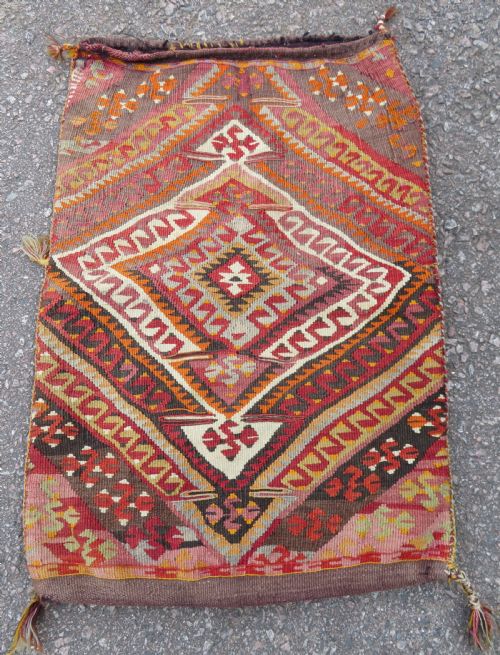
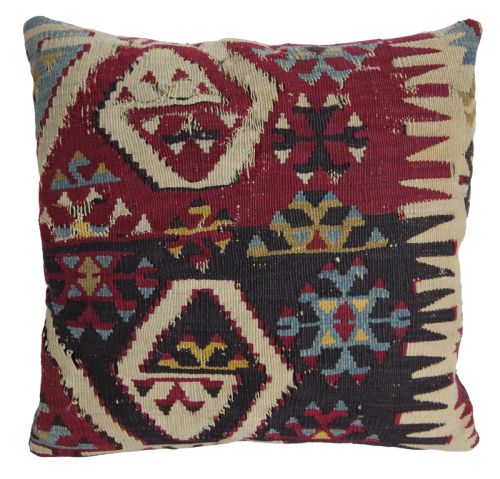
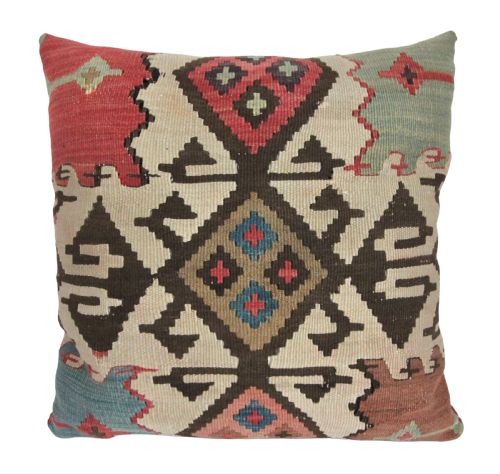
The most common examples you meet on this page are antique kilim cushions, usually dating from the middle decades of the nineteenth century. Alongside these flatweaves, you find pile pieces and repurposed bag faces that retain their original tribal character.
Makers fashioned these textiles in wool and cotton, drawing on designs traditional to Anatolian, Kurdish, and nomadic workshops. Each piece carries patterns handed down through generations of weavers before ending up as a throw cushion.
How they were made
Weavers constructed these textiles using hand-woven techniques in wool and cotton, building up durable flatweave and pile surfaces. The resulting fabric was then backed and stuffed to form functional cushions for interior use.
Makers utilised traditional tribal motifs rooted in Anatolian tradition, ensuring the structural weave remained tight and supportive. These methods combined domestic utility with the enduring artistry of nineteenth-century village craft.
Some cushions still retain the stubborn spirit of a nomadic storage bag, having spent a century as a sack before retiring to the sofa.
What varies in quality
The distinction between standard examples and finer pieces lies in the crispness of the tribal design and the handling of the wool. Tightly executed weaves and well-preserved motifs elevate certain cushions above simpler village work.
Age and original function also shape the character of each piece, with early nineteenth-century examples often displaying greater depth in their hand-woven patterns. The integrity of the textile surface determines its overall presence on a sofa.
The Anatolian Rug Cushion Glossary
- Kilim
- A flatwoven textile made without a pile, forming the primary material for many antique cushions on this page. These pieces rely on interlocking warp and weft threads to create sharp geometric patterns.
- Yastic
- A traditional small Turkish rug or cushion face woven for domestic use. An early nineteenth-century example represents the traditional nomadic form of these furnishings.
- Juval
- A large torseen storage bag made by Kurdish and tribal weavers, often repurposed into cushions. These items showcase distinctive nomadic iconography.
- Bag face
- The decorative front panel of a tribal storage sack, hand-woven and later converted into a cushion. They preserve the finest portion of the original weaver's work.
- Tribal
- A descriptive term for textiles produced by village and nomadic communities following regional patterns rather than urban workshop designs. These pieces embody traditional motifs passed down through families.
Anatolian Rug Cushion: Frequently Asked Questions
What is an anatolian rug cushion?
These pieces are decorative cushions fashioned from antique Turkish textiles, including kilims, yastics, and repurposed tribal bag faces. They turn historical village weaving into comfortable home furnishings.
Most examples date from the nineteenth century, utilising wool and cotton to bring authentic nomadic patterns into modern living spaces.
How were these cushions used originally?
Many started life as floor rugs, sleeping mats, or functional storage bags used within nomadic and village households. Over time, these textiles were adapted into cushions for seating and leaning.
This conversion preserved fragile fragments of historical weaving while creating practical items for daily domestic comfort.
How do I live with antique cushions?
These textiles suit placement on sofas, armchairs, or window seats where their rich wool textures can be appreciated up close. They mix easily with plain upholstery and contemporary interiors.
Keep them out of direct sunlight to protect the natural dyes, and turn them occasionally to ensure even wear across the woven surface.
How can I tell different periods apart?
Dating relies on observing the weave structure, the style of the tribal motifs, and the character of the wool. Earlier nineteenth-century examples often display distinct regional colour palettes and tighter construction.
Later pieces from the early twentieth century shift slightly in proportion and design while maintaining traditional hand-woven techniques.