


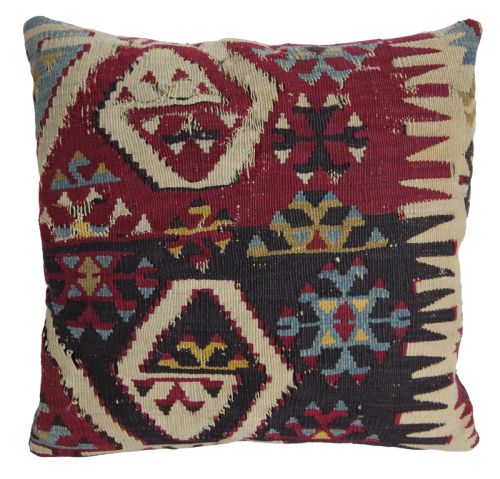


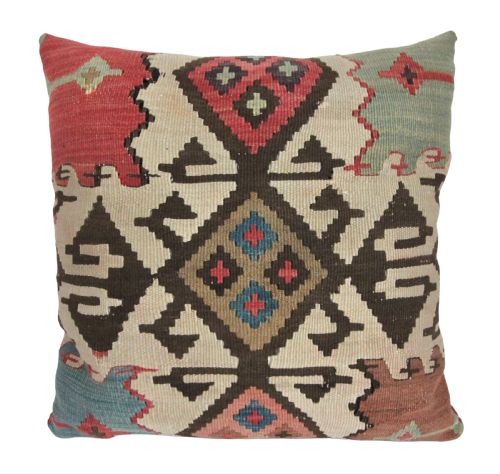


Bohemian Rug Pillow
These bohemian rug pillows are repurposed textile pieces that bring warmth and genuine nomadic character to a room.
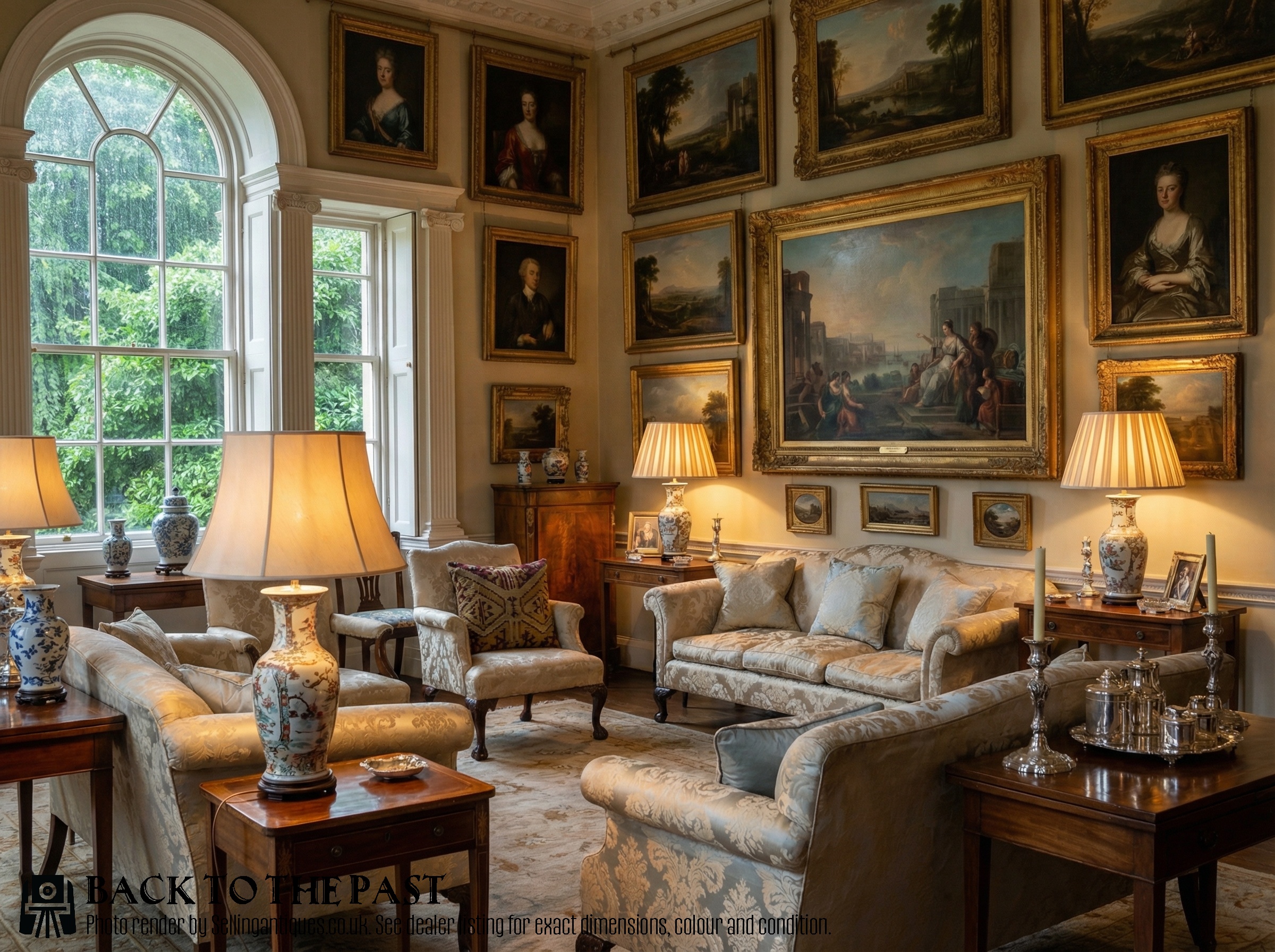
Bohemian Rug Pillow
When you search for bohemian rug pillows, you find decorative cushions fashioned from older woven carpets, kilims and tribal bag faces. These items draw on traditional motifs originating from Anatolian, Persian and nomadic tribal cultures.
The pieces on this page mostly take the form of antique kilim cushions and vintage carpet cushions dating from the nineteenth and early twentieth centuries. Each cushion repurposes durable flatweave or pile carpets into functional home furnishings.
How they were made
Maker communities constructed these textiles using hand-spun wool and cotton. Weavers worked on traditional upright or horizontal looms, utilising natural dyes to create rich colours across the field and borders.
Craftsmen subsequently cut sections from larger antique rugs, kilims and tribal bag faces, turning them into cushion covers. Skilled hands finished the edges with sturdy stitching to secure the heavy woven fabric.
The listings span the nineteenth century through to the nineteen-twenties, using wool, cotton and hand-spun wool.
What varies in quality
Quality rests primarily on the integrity of the original weave and the vibrancy of the wool. Pieces cut from tightly knotted pile carpets or finely woven flatweave kilims exhibit superior structural longevity.
Artistic merit distinguishes standard examples from exceptional ones. Dynamic tribal geometry and well-preserved natural dye palettes elevate a cushion well above simpler utilitarian iterations.
The Bohemian Rug Pillow Glossary
- Kilim
- A flatwoven carpet or rug produced without a pile. These textiles are folded and stitched to form durable cushion covers.
- Bag face
- The decorative front panel of a nomad's storage sack. Weavers often repurposed these detailed panels into small decorative pillows.
- Flatweave
- A textile technique where warp and weft threads intertwine without forming a raised pile surface. This method creates a thin, flexible fabric ideal for soft furnishings.
- Hand-spun wool
- Yarn spun by hand using a drop spindle or wheel, resulting in variable thickness and high natural lanolin content. This traditional yarn absorbs natural dyes with rich depth.
Bohemian Rug Pillow: Frequently Asked Questions
How do I clean a rug pillow?
Professional dry cleaning is recommended for antique wool textiles to protect the delicate natural fibres.
Surface dust can be removed gently with a soft brush, avoiding harsh mechanical vacuuming.
Are these cushions made from old carpets?
These decorative items are constructed from authentic nineteenth and early twentieth century woven textiles.
Craftsmen repurpose sections of antique rugs, kilims and tribal bag faces to create each unique pillow cover.
What is a tribal bag face?
Nomadic groups originally wove storage bags for daily transport and camp organisation.
Makers cut down the ornate front panels of these functional sacks to form small, highly patterned cushions.
How do I date a kilim cushion?
Dating relies on assessing the wool quality, dye type and structural wear patterns visible in the weave.
Pieces carrying nineteenth century origins often display hand-spun yarns and muted, plant-based colour palettes.