


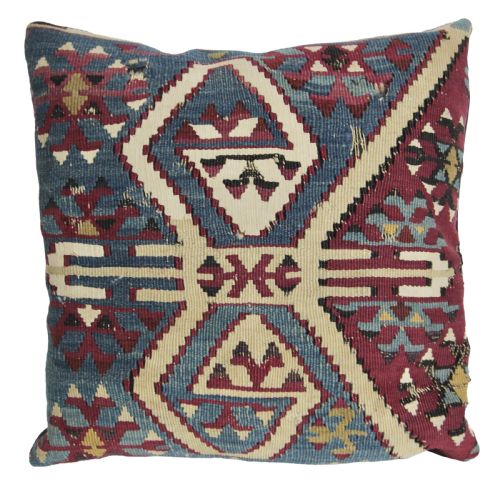


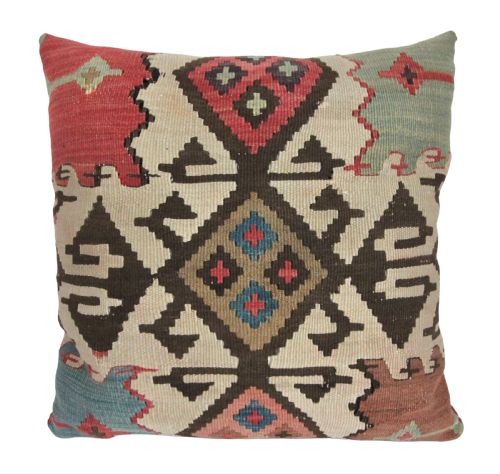
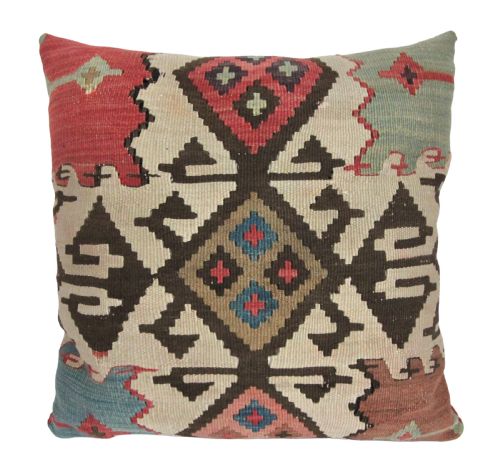

Flatweave Scatter Cushion
These flatweave scatter cushion pieces are woven treasures of wool and cotton, offering genuine textile history and texture for any seating arrangement.
Flatweave Scatter Cushion
When you search for flatweave scatter cushion, you encounter items designed for interior placement, appearing as cushions, throw cushions, and cushions and soft furnishings. These objects repurpose historic textile fragments into decorative home items.
The versions you are most likely to meet on this page include antique kilim cushion examples dated from eighteen fifty and eighteen seventy. You also encounter vintage carpet cushions and tribal bag face cushion hand woven large items from nineteen twenty.
Origins and styles span traditional Anatolian and tribal aesthetics. These pieces bring historical textile patterns directly into contemporary living spaces.
How flatweave scatter cushion pieces were made
Makers utilised wool and cotton materials to construct these flatweave scatter cushion textiles. The fibres provide the structural foundation and surface texture seen across the inventory.
Techniques involve hand weaving flat textile surfaces, which are subsequently fashioned into cushion forms. The construction relies on traditional methods characteristic of tribal and Anatolian craft.
What varies in quality in flatweave scatter cushion pieces
The distinction between tiers of flatweave scatter cushion examples rests upon the integrity of the weave and the preservation of the original textile. Finer items exhibit tighter hand weaving and more intact structural elements from their period of origin.
Material condition and the authenticity of the tribal or Anatolian patterns further differentiate the range. Superior examples maintain clear design motifs and robust wool or cotton construction across the cushion form.
The Flatweave Scatter Cushion Glossary
- Flatweave
- A textile produced without pile by interlacing warp and weft threads. This technique creates a smooth surface characteristic of kilims and tribal bag faces.
- Kilim
- A pileless textile of Anatolian origin possessing traditional geometric or tribal designs. These woven cloths form the primary source material for many period cushions.
- Bag face
- The decorative front portion of a nomadic storage bag. Artisans repurpose these woven panels into cushion fronts.
- Tribal
- A style descriptor indicating origin within nomadic or village communities. These designs utilise distinct regional motifs passed down through generations.
Flatweave Scatter Cushion: Frequently Asked Questions
What is a flatweave scatter cushion?
A flatweave scatter cushion is a decorative home accessory made by repurposing historic pileless textiles such as kilims and tribal bag faces. These items combine historical fabrics with modern cushion forms.
The resulting pieces function as movable soft furnishings that introduce traditional Anatolian patterns and natural wool or cotton textures into domestic interiors.
How are these cushions used?
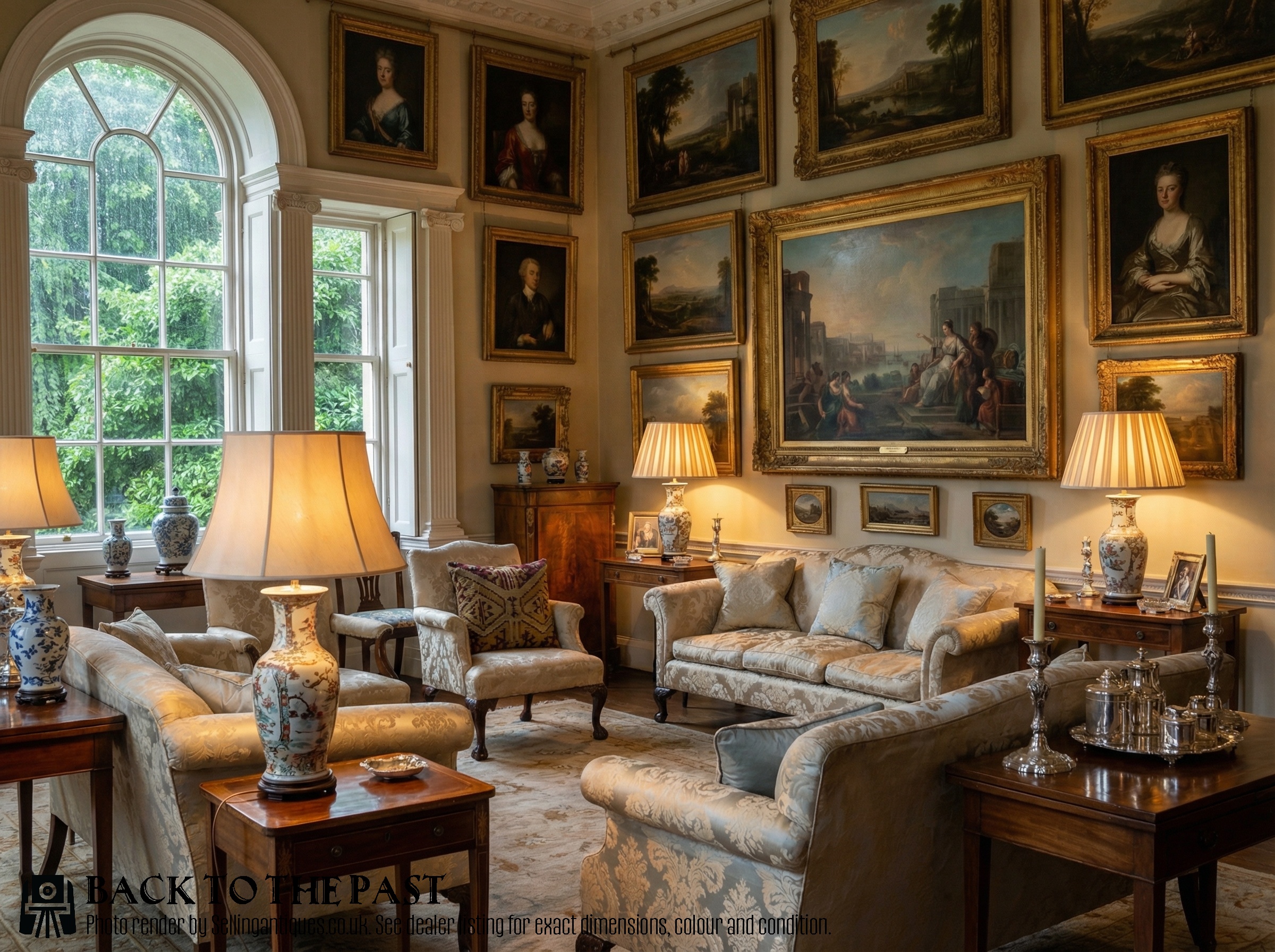
These items serve as decorative accents on sofas, armchairs, and beds. They provide both visual pattern and functional cushioning.
Living with these textiles involves placing them in low-wear areas to preserve the historic woven surfaces while enjoying their distinct regional character.
How old are these pieces?
The inventory includes items originating from distinct periods during the nineteenth and twentieth centuries. Dates span from eighteen fifty through to nineteen twenty.
This chronological spread reflects the various eras from which the source carpets and textiles are drawn and repurposed.
What materials are used?
The construction relies primarily on wool and cotton fibres. These natural materials form both the flatweave textile faces and the underlying structure.
Such materials ensure the durability and authentic tactile quality expected from period hand woven items.