







Traditional Kilim Cushion
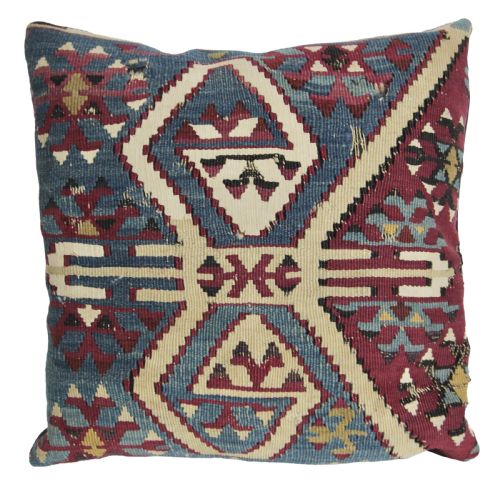
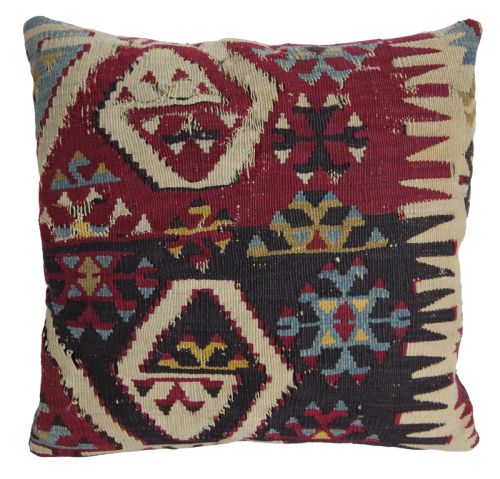
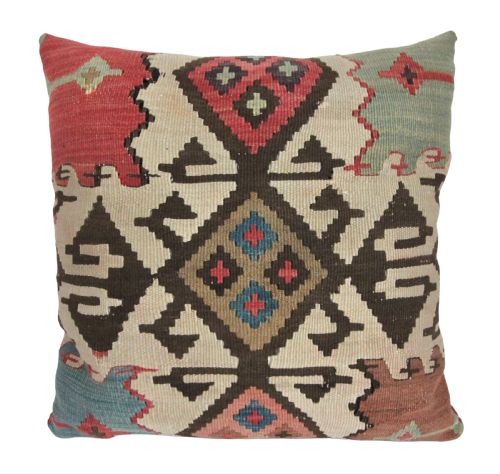
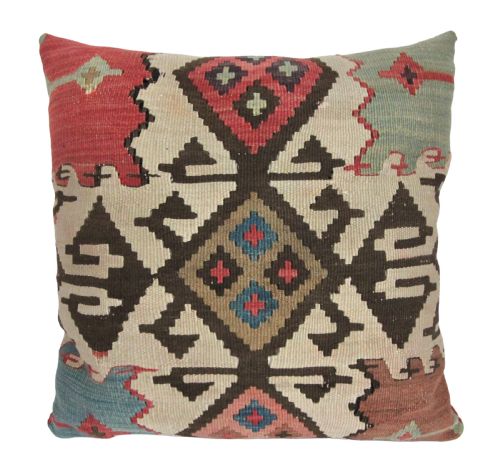
A traditional kilim cushion brings genuine tribal warmth into a room through flat-woven wool and cotton textiles.

Traditional Kilim Cushion
A traditional kilim cushion is made from flat-woven tribal textiles, often utilising sections gathered from older bags or flatweaves. These pieces display distinct geometric patterns that stem from Anatolian Tribal, Tribal, Anatolian Traditional, Traditional Anatolian, and Persian Tribal styles.
The most common examples on this page are antique kilim cushions dated from the mid-nineteenth century onwards, particularly from the 1850 and 1870 periods. Buyers will also encounter variants formed from bag faces and saddle bags originating in regions such as Azerbaijan and north-west Persia.
These items function primarily as throw cushions and soft furnishings that anchor a room's palette. Their sturdy construction and rich heritage make them practical additions to seating arrangements and an established choice for traditional interiors.
How they were made
Makers constructed traditional kilim cushions using hand-woven wool and cotton techniques that date back generations. The front panels typically consist of dense wool flatweaves, while supporting materials often incorporate sturdy cotton for backing and structure.
Many examples utilise repurposed tribal bag faces and saddle bag fragments, which were originally woven on horizontal or vertical looms by nomadic groups. This method preserved durable utilitarian objects by transforming them into decorative soft furnishings.
The listings span from 1850 to 1920, utilising wool and cotton materials across Anatolian and Persian tribal styles.
What varies in quality
The quality of a traditional kilim cushion depends heavily on the integrity of the weave and the tightness of the wool. Finer examples display precise geometric motifs and firm, even tension across the flat-woven surface.
Origin and textile age also determine the standing of a piece, with mid-nineteenth-century examples from 1850 and 1870 showing distinct regional dye methods and wool preparations. The choice of backing material and the preservation of the original bag face or kilim structure further separate standard examples from finer ones.
The Traditional Kilim Cushion Glossary
- Kilim
- A flat-woven carpet or rug made in countries of the former Ottoman Empire, Persia and Central Asia. These textiles lack a pile, as the warp and weft threads are tightly interlocked.
- Bag face
- The decorative front panel of a nomadic storage bag, such as a salt bag or grain bag. These panels were frequently salvaged to make cushions due to their intricate weaving.
- Saddle bag
- A paired utilitarian container used by nomads for transport on horses or camels. Surviving sections are often repurposed into smaller decorative textiles.
- Anatolian
- Pertaining to Anatolia, the western Asian region that constitutes the major part of Turkey. This area is renowned for distinct tribal weaving traditions.
- Flat-woven
- A textile technique where the design is created by weaving warp and weft threads together without knotting. This produces a smooth, non-pile fabric.
Traditional Kilim Cushion: Frequently Asked Questions
What is a traditional kilim cushion?
A traditional kilim cushion is a decorative soft furnishing created from flat-woven tribal textiles, including antique kilims and bag faces. These items bring historic geometric patterns into modern living spaces through durable wool and cotton construction.
They serve primarily as throw cushions for chairs and sofas, adding warmth and texture to interior schemes. Each piece reflects the utilitarian weaving traditions of nomadic and regional makers.
How old are these cushions?
The pieces listed here span several decades from the nineteenth and early twentieth centuries, with dates noted from 1850, 1870, 1890, 1900, and 1920. This age range reflects the period when the original flatweaves and tribal bags were actively produced.
Because many cushions are fashioned from older textiles, their age often corresponds to the date of the source material rather than the date the cushion was assembled. Examining the wool and weave helps buyers understand the era of the textile.
Where do these textiles come from?
These textiles originate from regions with rich tribal weaving traditions, notably Anatolia and north-west Persia, including areas like Azerbaijan. Nomadic and village groups produced these flatweaves for daily use in tents and dwellings.
Over time, surviving rugs, saddle bags, and bag faces travelled from their places of origin into the wider antiques market. Artisans then converted these sturdy fragments into the cushion forms available today.
How do I care for a kilim cushion?
Caring for a traditional kilim cushion involves gentle maintenance to preserve the antique wool and cotton fibres. Regular light vacuuming with a low suction attachment helps remove dust without pulling the weave.
Professional textile cleaning is recommended for deeper maintenance to protect the historic dyes and construction. Keeping the cushion out of direct sunlight prevents the natural wool colours from fading over time.