






Patterned Throw Cushion
These patterned throw cushion pieces bring tactile warmth to a room, offering authentic woven textiles adapted into comfortable home furnishings.
Patterned Throw Cushion
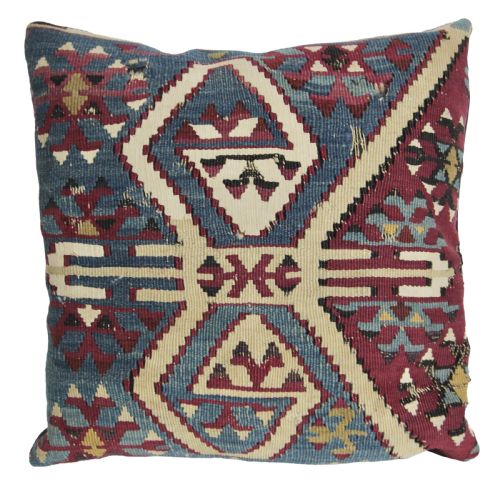
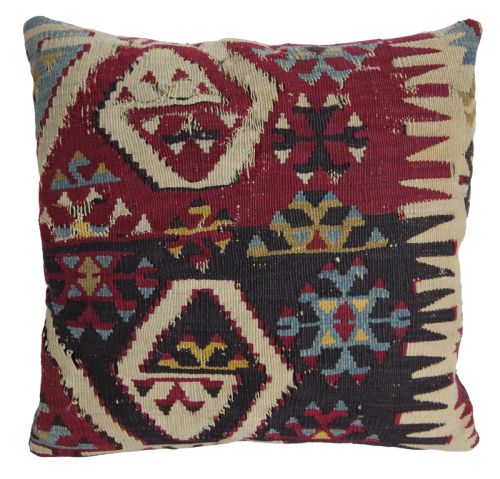
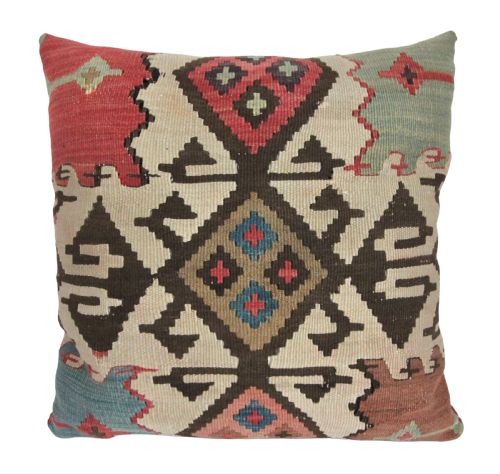
A patterned throw cushion provides an easy way to introduce historical textiles into a contemporary interior space. When you search for a patterned throw cushion, you encounter items fashioned from older flatweave rugs and utility bags.
The selections available here lean heavily towards older kilim cushions and carpet cushions originating from tribal contexts. These forms translate durable floor coverings and nomadic storage pieces into soft furnishings for daily use.
Most examples hail from the nineteenth century up through the nineteen-twenties, incorporating wool and cotton construction. Buyers most frequently meet kilim cushion examples dated to eighteen-fifty and eighteen-seventy.
Construction and Materials
These items rely on traditional hand-woven techniques applied to natural fibres like wool and cotton. Artisans originally produced these textiles as functional floor carpets, rugs, and storage bags before later conversion into cushions.
The structural integrity stems from tight flatweave methods typical of nomadic tribal production. Surviving fragments of Anatolian tribal work demonstrate the enduring strength of these hand-woven textiles.
Assessing Quality and Character
Quality rests upon the tightness of the weave and the complexity of the traditional tribal motifs. Pieces displaying crisp geometric patterns and uniform hand-woven construction stand apart from simpler variations.
The integrity of the original wool and cotton textiles dictates the overall caliber of the cushion. Stronger material preservation and careful conversion from bag faces or carpets elevate individual pieces.
The Patterned Throw Cushion Glossary
- Kilim
- A flatwoven carpet or rug produced in countries of the former Ottoman Empire, Persia and Central Asia. These textiles form the primary source material for antique cushions.
- Bag Face
- The decorative front panel of a nomadic storage sack. Artisans repurpose these finely woven panels into smaller decorative items.
- Anatolian Tribal
- Pertaining to nomadic or village communities in the region of Anatolia. This designation identifies the geographic and cultural origin of traditional flatweaves.
- Flatweave
- A textile created by interweaving warp and weft threads without forming a pile. This technique creates a durable, flat surface ideal for utilitarian conversion.
Patterned Throw Cushion: Frequently Asked Questions
What is a kilim cushion?
A kilim cushion is a soft furnishing made by repurposing sections of antique flatwoven carpets. These textiles utilise traditional wool and cotton construction.
They transform historical nomadic floor coverings into decorative items suitable for modern seating. Each piece retains the distinct tribal patterns of its origin.
How old are these cushions?
The pieces span from the nineteenth century through the early twentieth century. Common dates found in the listings include eighteen-fifty and eighteen-seventy.
Some examples date specifically to nineteen-twenty, whilst others are designated generally as nineteenth century. This age reflects the vintage of the source textiles utilised.
Where do these textiles originate?
The source materials originate from Anatolian tribal and nomadic traditions. These regions possess a long history of hand-woven textile production.
Craftsmen created these flatweaves as utility items before they were later adapted into cushions. The distinct styles reflect specific tribal weaving methods.
What materials are used?
The construction relies primarily on wool and cotton fibres. These natural materials provide the durability required for hand-woven flatweaves.
The combination of wool and cotton ensures the textiles withstand daily use as decorative furnishings. This material composition is consistent across the available selection.