






Bohemian Kilim Cushion Cover
A bohemian kilim cushion cover brings rich tribal texture and history into a room, offering authentic nomadic weave patterns.
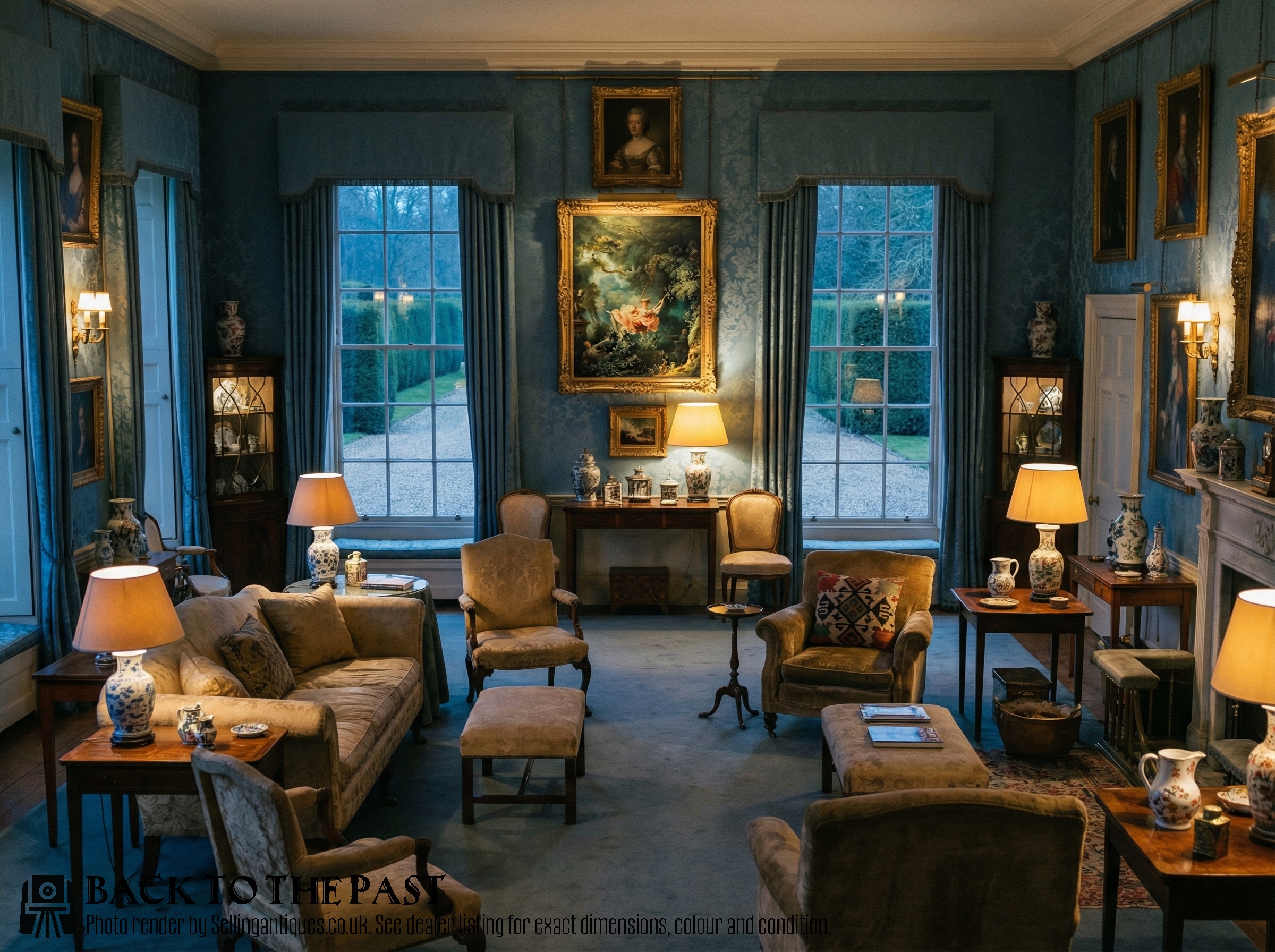
Bohemian Kilim Cushion Cover
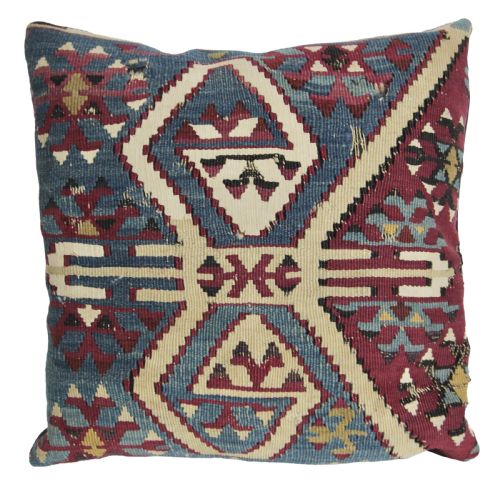
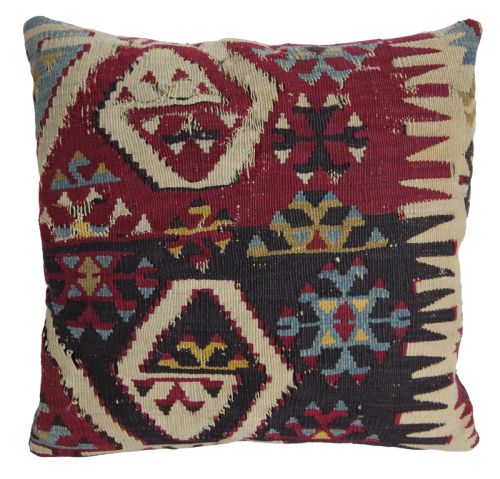
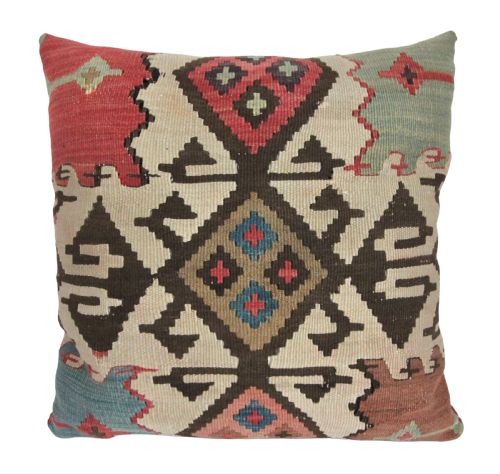
When you search for a bohemian kilim cushion cover, you are looking at antique textile fragments that have been repurposed into home furnishings. These items bring distinct tribal patterns into modern interiors while preserving historical weaving traditions. They serve as decorative accents for seating areas and beds.
The versions you are most likely to meet on this page originate from the nineteenth and early twentieth centuries. They encompass traditional Anatolian tribal styles and nomadic bag faces. Each piece reflects the vernacular design vocabulary of its makers.
The forms available consist primarily of cushions and pillows constructed from flat-woven rug sections. These textiles showcase traditional Anatolian and tribal nomadic motifs. They provide a tactile connection to historical textile crafts.
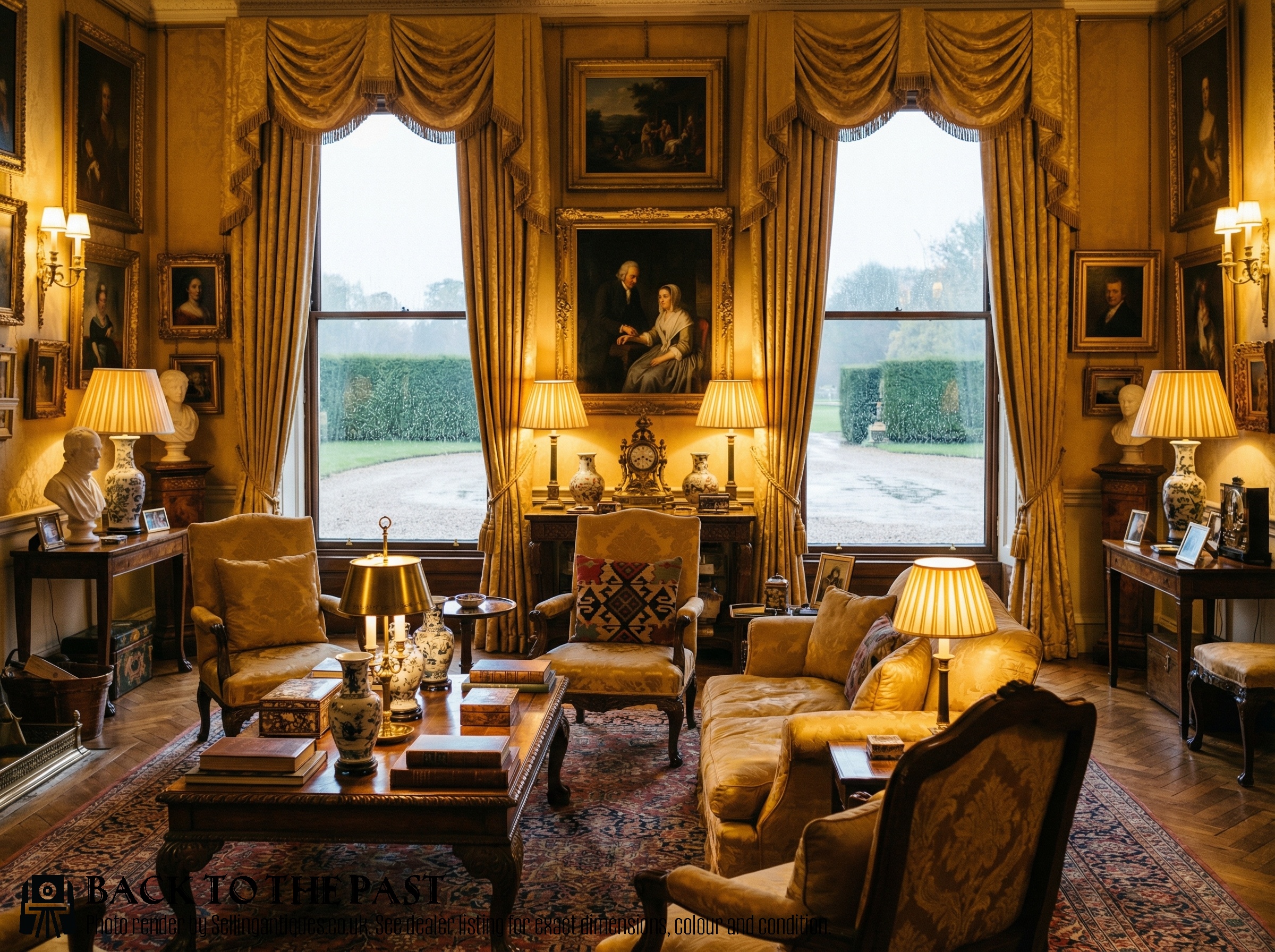
How they were made
Makers utilised hand-spun wool and cotton to produce these flat-woven textiles on traditional upright or horizontal looms. The use of hand-spun yarn imparts an irregular texture and subtle variations in thickness across the surface. Artisans interlocked the coloured weft threads tightly over the warp to create geometric designs without pile.
The structure relies on the slit-tapestry weaving technique, which produces characteristic vertical gaps where different colour areas meet. Spinners and weavers employed natural dyes derived from local plants and minerals to colour the wool. This construction method results in a durable, reversible textile designed originally for utilitarian bags and floor coverings.
Listings span from 1850 to 1920, focusing on Anatolian tribal and nomadic styles.
What varies in quality
The standard of a bohemian kilim cushion cover depends heavily on the fineness of the weave and the tightness of the yarn. Tighter tension and thinner yarns allow for crisper geometric definition and more intricate pattern work. Poorer examples often display loose construction and coarse wool that obscures the design.
Colour saturation and the integrity of the natural dyes separate the finer pieces from ordinary examples. Even fading and harmonious tonal shifts indicate superior dye preparation and quality wool. Muddied hues or harsh chemical colouration diminish the visual impact of the textile.
The Bohemian Kilim Cushion Cover Glossary
- Kilim
- A flat-woven textile produced without a pile, traditionally used as a rug, wall hanging, or storage bag in nomadic communities. These pieces rely on interlocking weft threads to form sharp geometric motifs.
- Bag face
- The decorative front panel of a nomadic utility sack, typically woven with greater care and finer detail than the back. These panels are frequently salvaged to make cushion covers.
- Warp
- The vertical threads stretched on a loom before weaving begins, providing the structural foundation for the textile. In these covers, the warp is usually concealed by the dense weft.
- Weft
- The horizontal threads passed back and forth through the warp to build the pattern and colour of the cloth. Tightly beaten wefts create the durable surface characteristic of old tribal flat-weaves.
- Nomadic
- Pertaining to pastoral groups who move seasonally, carrying portable textile arts that reflect tribal identity and local folklore. Their weaving traditions emphasise geometric symbolism and durable materials.
Bohemian Kilim Cushion Cover: Frequently Asked Questions
Are these cushion covers made from old rugs?
Yes, many are fashioned from vintage or antique flat-woven textiles, including repurposed bag faces and rug fragments.
This practice rescues worn sections of historical weaving, giving damaged textiles a new domestic purpose while preserving their artistic merit.
How do I care for a wool kilim cushion?
Wool textiles require gentle treatment, typically benefiting from professional dry cleaning or very careful hand washing in cool water.
Avoid harsh detergents and direct sunlight, which can degrade the natural fibres and cause the historic dyes to fade.
What periods do these covers date from?
The pieces listed here generally date from the nineteenth century up to the early twentieth century.
They represent historical craft traditions from Anatolia and wider tribal regions, reflecting the aesthetic standards of those eras.
How do I identify tribal Anatolian designs?
Anatolian tribal patterns usually feature repeating geometric motifs, stepped medallions, and symbolic border guards rendered in earthy tones.
These designs encode tribal heritage and local weaving conventions passed down through generations of makers.