





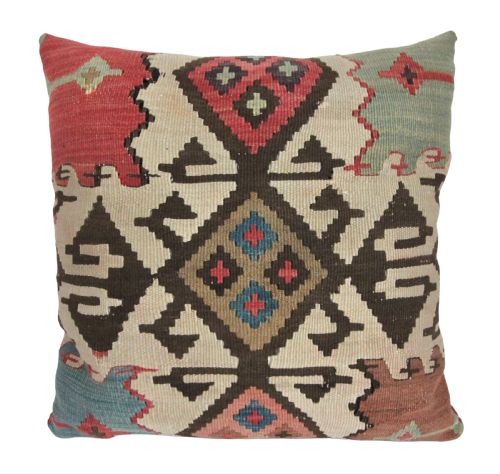
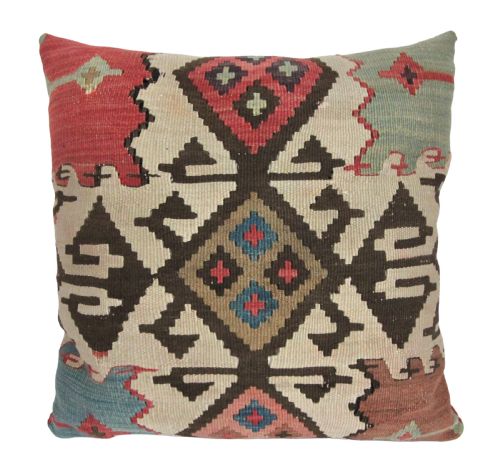
Wool Kilim Pillow
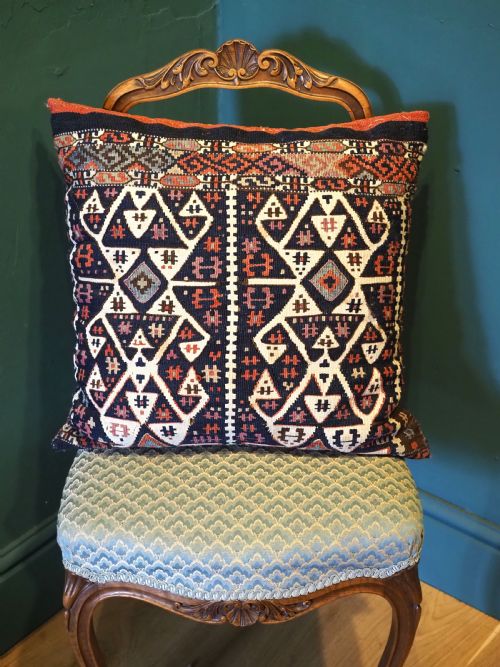
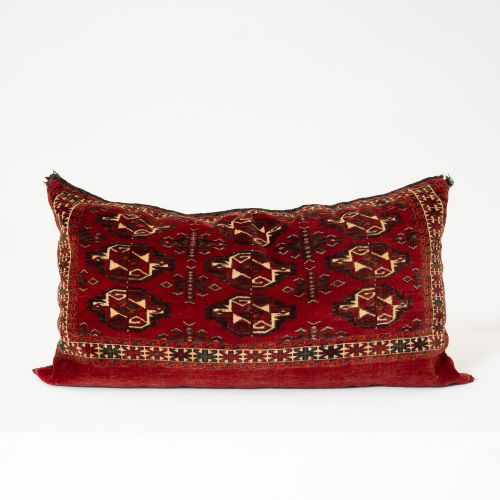
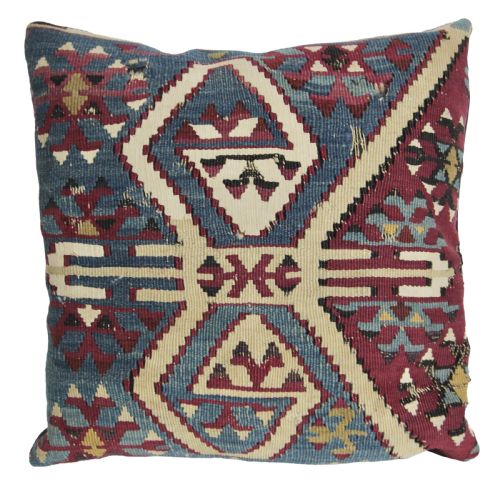
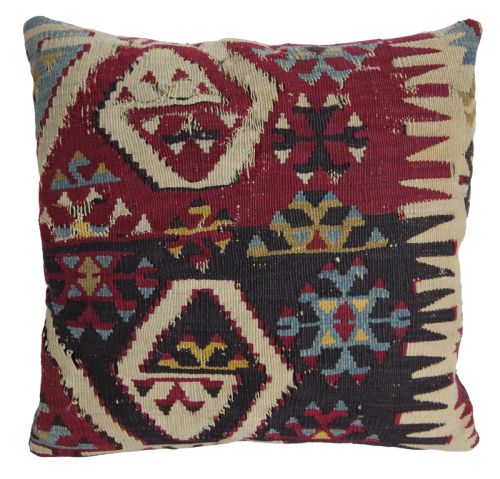
These wool kilim pillow examples bring tribal flatweaves into modern rooms, offering durable wool textiles fashioned from antique saddlebags and bag faces.
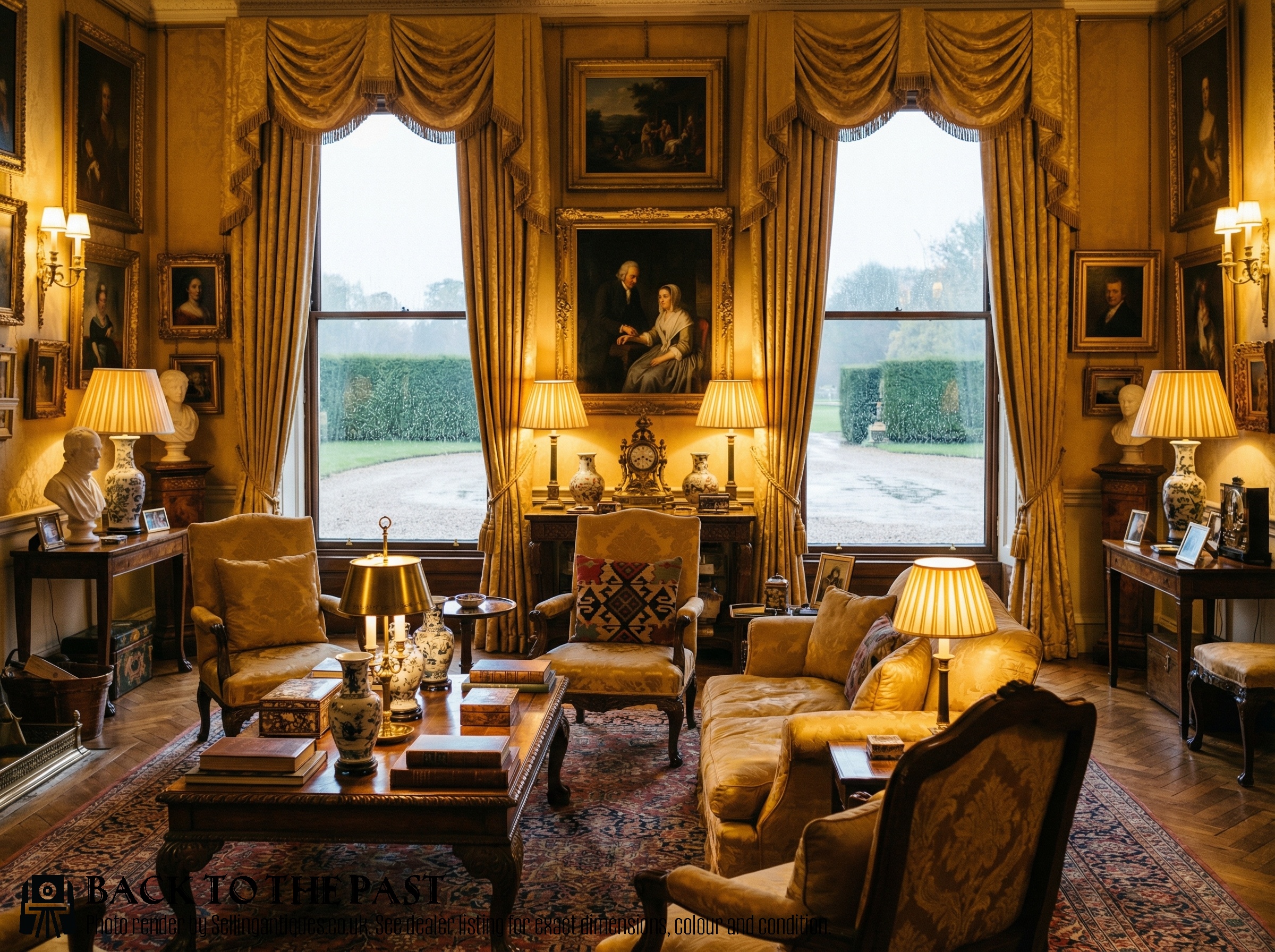
Wool Kilim Pillow
When you search for a wool kilim pillow, you find decorative cushions fashioned from antique flatwoven textiles originating across Anatolia, Persia, and Central Asia. These pieces repurpose tribal rugs, saddlebags, and storage sacks into soft furnishings for domestic interiors.
The most common examples on this page are fashioned from antique bag faces and saddlebags created by tribal groups such as the Yomut, Turkmen, Shahsavan, and Qashqa'i. These items bridge historical nomadic weaving traditions and contemporary interior styling.
The objects span periods from the mid-nineteenth century through to the early twentieth century, reflecting traditional Anatolian, Persian tribal, and Turkmen tribal designs. Each cushion retains the character of the original flatweave textile while serving a functional purpose.
How they were made
The materials recorded in these listings rely primarily on wool, often hand-spun, combined with cotton and natural dyes to create durable flatweave structures. Artisans produced these textiles using traditional tribal techniques without pile, resulting in a firm, flat fabric suitable for daily use.
Many cushions utilise fragments from larger utilitarian objects such as torbas, chuvals, and saddlebags, preserving the original slit-tapestry or banded flatweave designs. The construction incorporates sturdy backing materials and finishing details like tassels to complete each cushion.
Nomadic weavers packed their belongings in these very bags before modern travellers turned them into cushion covers.
What varies in quality
The distinction between standard examples and superior pieces rests upon the integrity of the original flatweave and the complexity of the tribal design. Finer pieces display tighter weaving density, balanced natural dye palettes, and well-preserved geometric motifs inherited from authentic bag faces.
Quality also depends on the condition of the historical textile used to make the cushion and how sympathetically it is assembled. Items retaining complete design elements, original tassels, and robust hand-spun wool structures command greater attention from collectors.
The Wool Kilim Pillow Glossary
- Kilim
- A flatwoven textile or rug made without pile, produced by tightly interweaving warp and weft strands. This technique creates a smooth, durable fabric utilised for bags and floor coverings.
- Chuval
- A large tent storage bag produced by Turkmen tribes. Fragments of these functional sacks often form the face of decorative cushions.
- Torba
- A smaller storage bag created by nomadic weavers, typically wider than it is tall. These pieces frequently feature banded geometric designs.
- Mafrash
- A rectangular bedding storage bag or chest panel made by nomadic groups. They provide richly patterned flatweave sections for textile conversion.
- Flatweave
- A weave structure produced without knots by passing the weft threads tightly over and under the warp threads. This method defines traditional kilims and saddlebags.
Wool Kilim Pillow: Frequently Asked Questions
What is a wool kilim pillow made from?
These cushions are constructed from antique tribal flatweaves, utilising hand-spun wool and natural dyes originating from nineteenth and early twentieth-century textiles.
Many examples repurpose historical saddlebags, storage sacks, and bag faces created by nomadic weavers in Anatolia, Persia, and Central Asia.
How do I care for an antique kilim cushion?
Care requires gentle treatment, relying on light surface cleaning and professional textile maintenance rather than immersion washing.
Keeping the cushion away from direct sunlight helps preserve the natural dyes used in the historical wool flatweaves.
How are different tribal designs identified?
Tribal origins are recognised through specific geometric motifs, border patterns, and colour combinations characteristic of groups such as the Yomut, Shahsavan, or Qashqa'i.
The structure of the flatweave and the specific type of utilitarian bag converted into the cushion also point towards its regional source.
Are these cushions made from old rugs?
The pieces utilise authentic historical textiles, frequently drawing from functional nomad items like saddlebags, torbas, and chuvals rather than standard floor carpets.
This provenance means each cushion incorporates genuine tribal flatweave fragments dating back to the nineteenth or early twentieth century.