






Patterned Wool Cushions
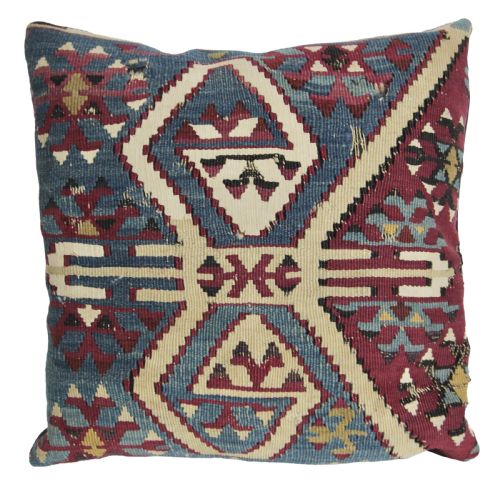
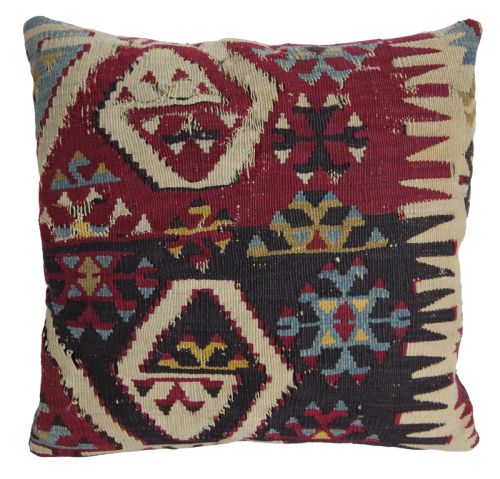
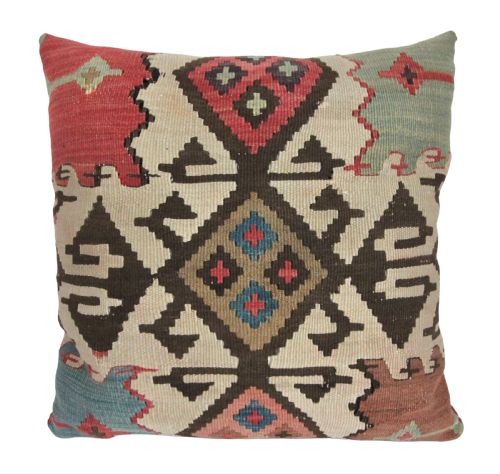
Patterned wool cushions bring rich tribal texture and history into a room, formed from repurposed antique rugs and nomadic bags.
Patterned Wool Cushions
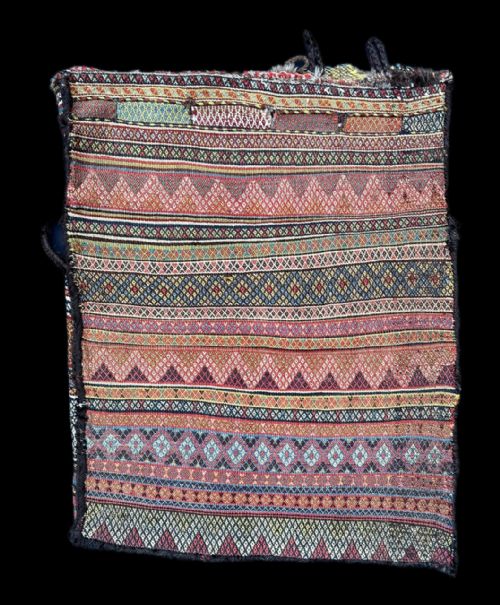
Patterned wool cushions repurpose antique and vintage textiles originating from tribal and nomadic weaving traditions, including kilims, torba faces, and pushti faces. These pieces transform older rugs and storage bags into functional home accessories.
The selections on this page span from the mid-nineteenth century through to the early twentieth century, incorporating styles such as Anatolian tribal, Central Asian tribal, and Persian tribal work. Buyers frequently encounter formats derived from traditional carpet fragments and hand-woven bag faces.
Makers often utilised durable wool and natural dyes to create these distinct decorative items, resulting in throw cushions and small rug cushions that retain authentic regional motifs.
How they were made
Weavers constructed these textiles using traditional hand-woven techniques, employing sturdy wool yarns that withstood daily nomadic use. Artisans worked with natural dyes to achieve deep, lasting colouration across the geometric and figurative motifs.
Many of these cushions originate from repurposed storage bags, torba faces, and kilim panels which were later fashioned into soft furnishings. The underlying structure relies on durable stitching that secures the historical wool textile to a backing fabric.
Nomadic weavers often embedded tiny protective symbols within their storage bags, meaning your cushion might secretly be guarding your sofa against mischief.
What varies in quality
Quality rests upon the fineness of the original weave, the clarity of the tribal design, and the integrity of the wool surface. Tighter knotting and precise geometric layouts distinguish superior examples from simpler work.
The depth and vibrancy of the natural dyes also determine the visual impact of the piece. Well-preserved textile fragments with rich, stable colouring represent the finer end of the spectrum.
The Patterned Wool Cushions Glossary
- Kilim
- A flat-woven carpet or rug produced without a pile. These textiles form the foundation for many traditional decorative cushions.
- Torba
- A small Turkmen storage bag or wall hanging. Faces of these historical pieces are frequently repurposed into decorative cushion covers.
- Pushti
- A small Persian rug or mat. The face of a pushti provides a dense pile surface suitable for small-scale soft furnishings.
- Natural Dyes
- Colourants derived from plants, insects, and minerals rather than synthetic compounds. These dyes yield the characteristic muted tones found in older wool textiles.
Patterned Wool Cushions: Frequently Asked Questions
What are patterned wool cushions made from?
These cushions are constructed from repurposed antique and vintage textiles, including flat-woven kilims, nomadic storage bags, and tribal rug faces. The primary material used in their manufacture is hand-spun wool.
Artisans historically utilised natural dyes to colour the yarns before weaving complex geometric and regional patterns into the fabric.
How should I care for an antique wool cushion?
Maintenance requires gentle handling to preserve the historical wool fibres and natural dyes. Light surface cleaning or professional textile care is recommended rather than vigorous washing.
Keeping the cushions out of direct, harsh sunlight prevents the natural colours from fading prematurely over time.
Where do these tribal designs originate?
The designs stem from nomadic and tribal weaving traditions across Anatolia, Persia, and Central Asia. Specific groups, such as the Qashqa'i nomads and Turkmen tribes, produced the original rugs and bags.
Each region developed distinct motifs and colour palettes that reflect the cultural heritage of the makers.
How can I tell the age of a cushion?
Dating relies on examining the characteristics of the wool, the composition of the natural dyes, and the specific tribal motifs present in the weave. Pieces often date from the nineteenth or early twentieth centuries based on these stylistic markers.
Structural clues within the repurposed textile fragment also help establish the approximate period of origin.