


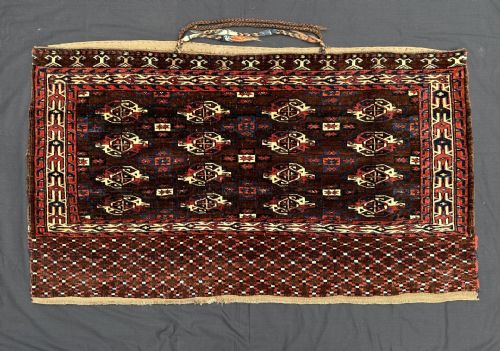
Wool Carpet Cushions
Wool carpet cushions bring tribal textiles into domestic rooms, offering dense pile and flatweave panels repurposed from historic bags and rugs.
Wool Carpet Cushions
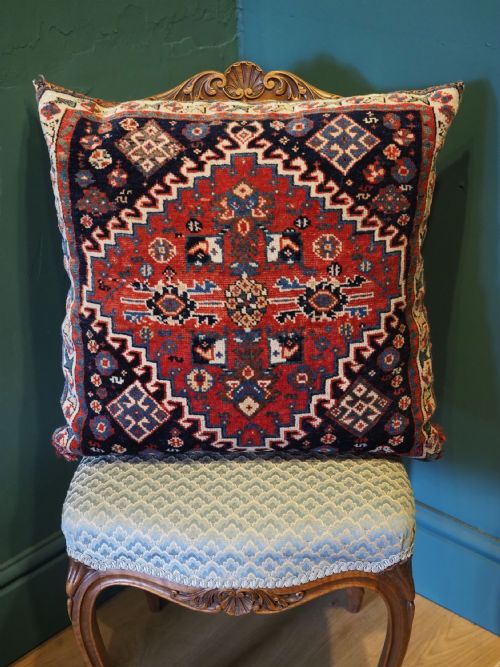
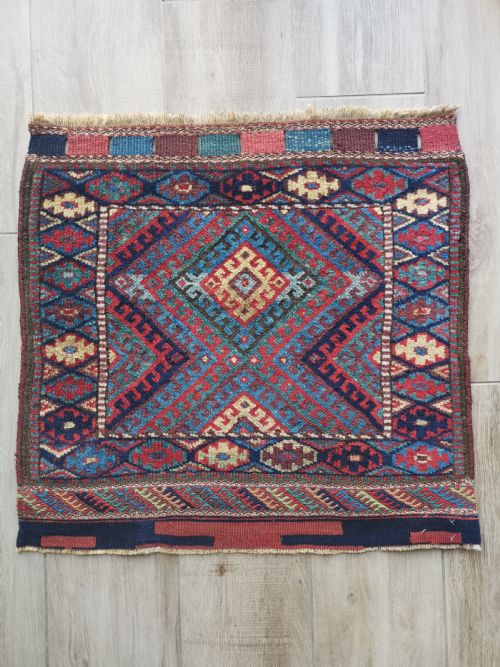
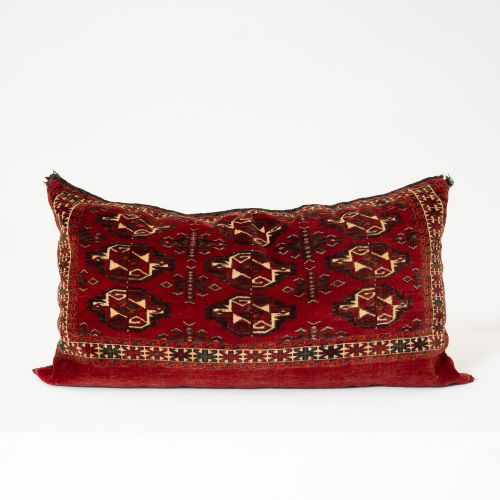
Wool carpet cushions are formed from antique tribal weavings, translating nomadic household items into functional seating accessories. Buyers searching for wool carpet cushions will discover repurposed bag faces, torbas, chuvals, and saddlebags originating from Turkmen, Persian, and Anatolian traditions.
The material inventory spans pieces created across the nineteenth and early twentieth centuries, drawing heavily on nomadic craftsmanship from Central Asia and Persia. These textiles arrive in formats such as square seating mats, complete torbas with original backs, and half-saddlebag fragments adapted for domestic interiors.
Tribal styles dominate this selection, featuring specific regional expressions like Tekke Turkmen, Yomut, Shahsevan, and Qashqai designs. Each cushion retains the geometric motifs, tribal guls, and structural integrity of the original nomadic weaving.
Materials and construction methods
Makers utilised hand-spun wool and natural goat hair foundations, combining structural durability with tactile warmth. These materials were dyed using vegetable and natural dye sources, yielding rich, saturated tones that age with distinct character.
The construction employs diverse techniques including pile knotting, flatweave, and soumak brocading. Artisans wove these dense structures for utilitarian nomadic storage bags, which centuries later found new life as finished cushions.
Listings feature wool, natural dyes, cotton, hand-spun wool, goat hair, and vegetable dyes across nineteenth and early twentieth-century periods.
Quality factors in tribal cushions
The preservation of original structural elements, such as period backs and intact borders, distinguishes superior examples. Furthermore, the vibrancy and stability of the natural and vegetable dyes dictate the visual strength of each cushion.
The Wool Carpet Cushions Glossary
- Chuval
- A large Turkmen tent-storage bag used for bedding and household goods. These panels frequently form the basis for large rectangular cushions.
- Torba
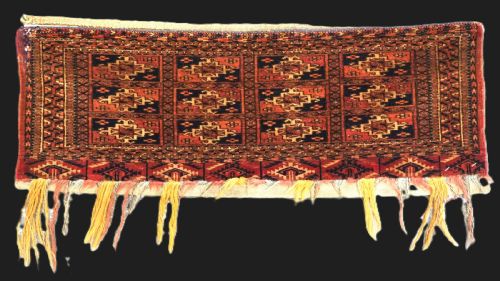
- A smaller storage bag produced by Turkmen and other nomadic groups, generally wider than it is tall and decorated with primary guls.
- Gul
- A repeating medallion or octagonal motif central to Turkmen and tribal carpet design. Each tribal group utilised distinct gul patterns to signal lineage.
- Soumak
- A historic flatweave technique involving wrapping weft threads around warp threads in a herringbone pattern. This method creates a durable, textured surface without a pile.
- Mafrash
- A rectangular box-shaped storage container or bag face used by nomads for transport and storage. Surviving panels are routinely adapted into cushions.
- Yastic
- A traditional Anatolian pillow or cushion face woven with pile or flatweave techniques. These pieces were originally used for leaning against domestic divans.
Wool Carpet Cushions: Frequently Asked Questions
What is a wool carpet cushion?
Wool carpet cushions are decorative home accessories created by repurposing historic nomadic bags, saddlebags, and rugs into usable pillows. They preserve authentic tribal textiles within a modern domestic format.
These pieces utilise antique materials woven by tribal groups across Central Asia, Persia, and Anatolia during the nineteenth and early twentieth centuries.
How were these antique textiles used originally?
Nomadic tribes utilised these woven pieces as functional storage containers inside tents, packing them with blankets, clothing, and household goods. Saddlebags and torbas served both transport and organizational roles in daily nomadic life.
Over time, surviving textile faces from these bags are professionally converted into cushions for interior display and seating.
How do I identify different tribal designs?
Tribal designs are identified by specific geometric motifs, colour palettes, and structural patterns unique to each weaving group. For instance, Turkmen groups often feature repeating octagonal guls, while Shahsevan pieces frequently display soumak brocade work and bird motifs.
Region and nomadic subgroup determine the distinct visual vocabulary found on each cushion face.
How do I care for a wool carpet cushion?
Care for wool carpet cushions requires gentle treatment, including regular light vacuuming without a rotating brush to remove surface dust. Professional specialist cleaning is recommended for any deeper maintenance.
Keeping these antique textiles out of direct, prolonged sunlight protects the natural and vegetable dyes from fading over time.