







Traditional Kilim Scatter Pillow
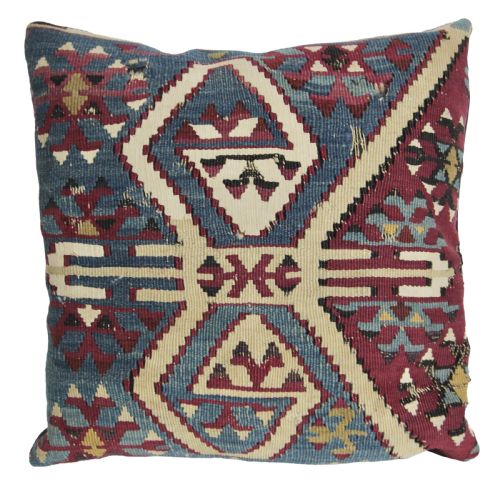
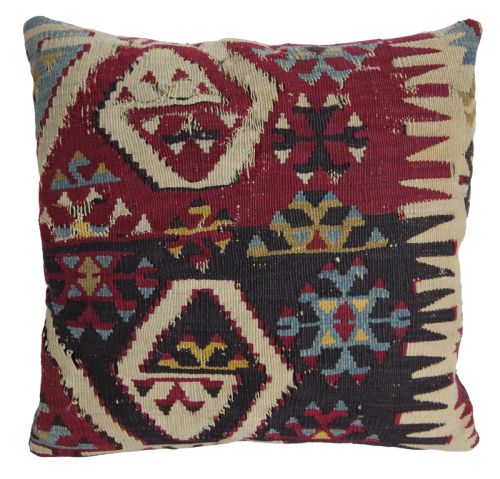
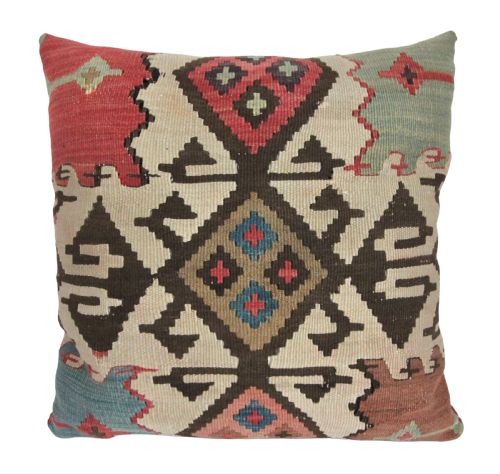
These traditional kilim scatter pillow pieces bring flatweave textile history into a room through hand woven wool and cotton.
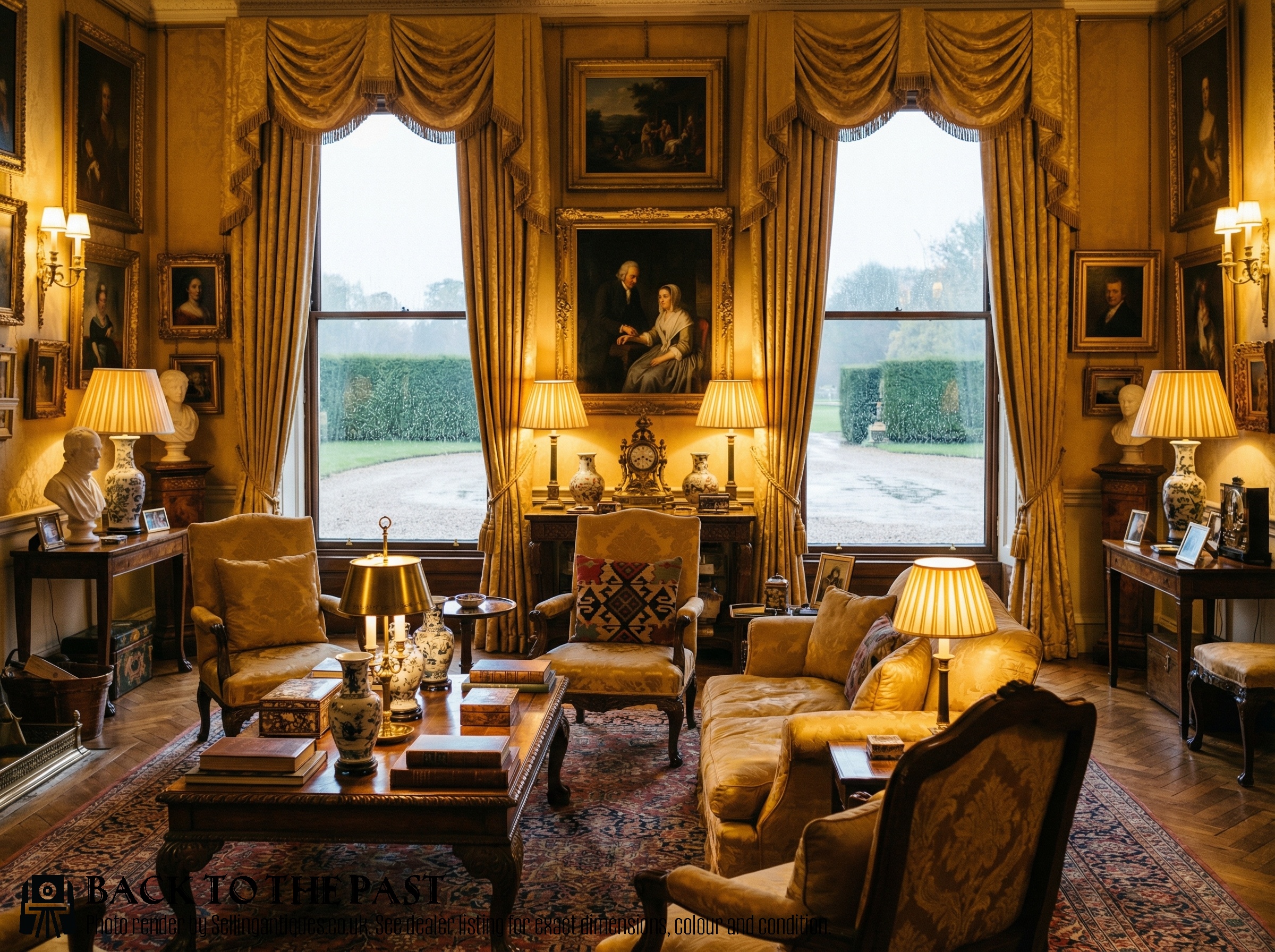
Traditional Kilim Scatter Pillow
A traditional kilim scatter pillow offers a practical way to bring antique flatweave textiles into a seating area or bed. Buyers select these items to add texture and pattern to a room using authentic historical materials.
The pieces on this page primarily take the form of cushions, throw cushions, and cushions and soft furnishings. These items date across periods including 1850, 1870, and 1920, reflecting diverse production years.
Originating from Anatolian tribal and traditional Anatolian styles, these items often utilise repurposed bag faces or fragments. The selection combines standard antique kilim cushions with larger hand woven tribal bag face cushions.
How they were made
Makers constructed these flatweave items using wool and cotton fibres spun and dyed by hand. The weavers employed traditional slit-tapestry techniques to create geometric patterns without pile.
Many examples incorporate antique tribal bag faces into the construction of the cushion. Artisans then backed and edged these woven panels to form functional soft furnishings.
Nomadic weavers once packed their worldly goods in the very same bags that now cushion your afternoon nap.
What varies in quality
The intricacy of the flatweave design and the tightness of the wool weave set superior examples apart from simpler pieces. Finer hand spinning and well-preserved natural dyes contribute to a higher standard of craftsmanship.
The integrity of the original textile portion dictates the overall calibre of the item. Pieces fashioned from complete, well-balanced bag faces command more attention than those made from heavily worn fragments.
The Traditional Kilim Scatter Pillow Glossary
- Kilim
- A flatwoven textile produced by tightly interweaving warp and weft strands without creating a pile. This technique yields a smooth surface with patterns visible on both sides.
- Bag face
- The decorative front panel of a nomadic storage sack, often repurposed into cushions. These panels typically display the most complex tribal motifs.
- Flatweave
- A textile method that does not involve knotting pile into the foundation threads. Rugs and cushions made this way are thinner and lighter than knotted carpets.
- Warp
- The vertical stationary threads stretched on a loom before weaving begins. Weft threads pass over and under these structural lines to form the fabric.
Traditional Kilim Scatter Pillow: Frequently Asked Questions
Are these cushions made from old rugs?
Many traditional kilim scatter pillow items utilise authentic antique flatweaves or repurposed tribal bag faces. Artisans convert these historical textiles into functional soft furnishings for modern interiors.
This method preserves vintage wool and cotton fragments that might otherwise remain unused. Each cushion retains the original character of the woven textile from periods like 1850 or 1870.
How do I style a kilim cushion?
Pair these wool and cotton cushions with solid linen or leather furniture to let the geometric patterns stand out. Mixing different Anatolian tribal designs adds visual depth to a neutral sofa or bed.
Because these pieces feature traditional Anatolian motifs, they suit both rustic interiors and modern minimalist spaces. The flatweave texture contrasts well against smooth contemporary fabrics.
How do I clean an antique cushion?
Maintain these wool and cotton items with gentle surface dusting or professional textile cleaning rather than machine washing. Harsh detergents can damage natural dyes and historical fibres.
Keep the cushions out of direct sunlight to prevent the colours from fading over time. Regular rotation helps distribute wear evenly across the flatweave surface.
What is a tribal bag face?
A bag face is the ornamented front panel of a nomadic storage sack used historically for transport and household organisation. Weavers invested their finest work into these specific panels.
These sections frequently feature distinct Anatolian tribal patterns that translate well onto scatter cushions. Finding a bag face cushion connects your interior directly to nomadic weaving traditions.