
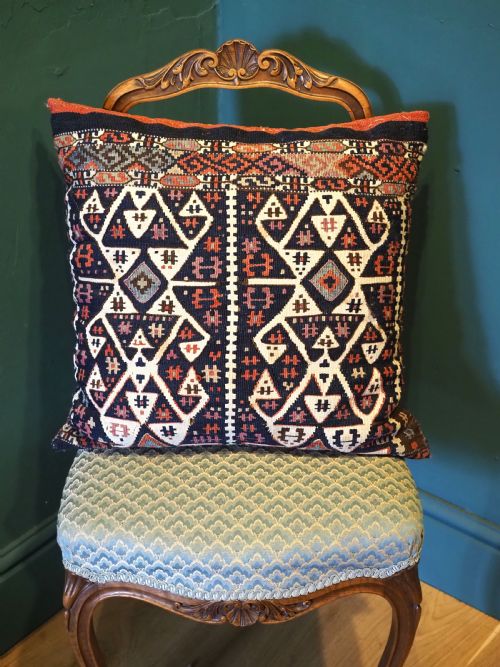


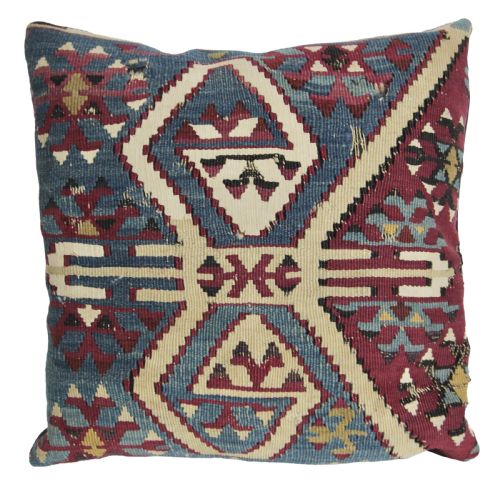

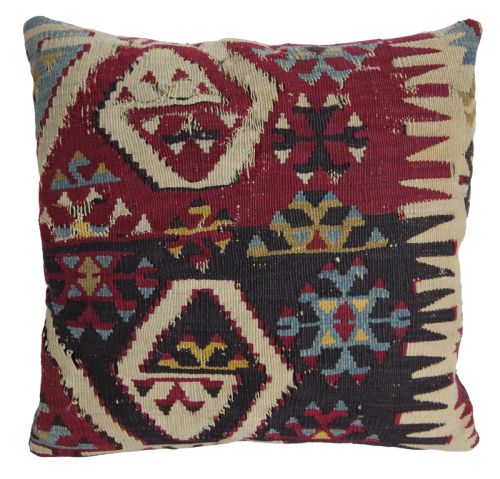


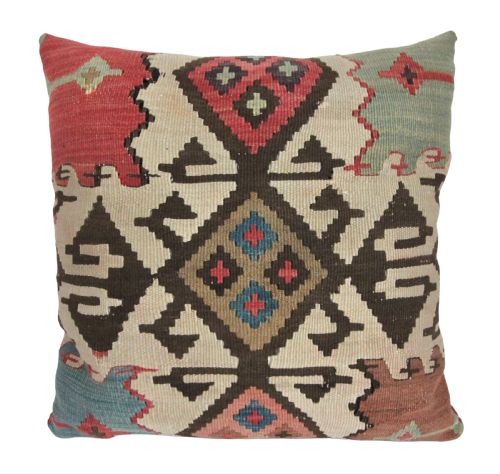
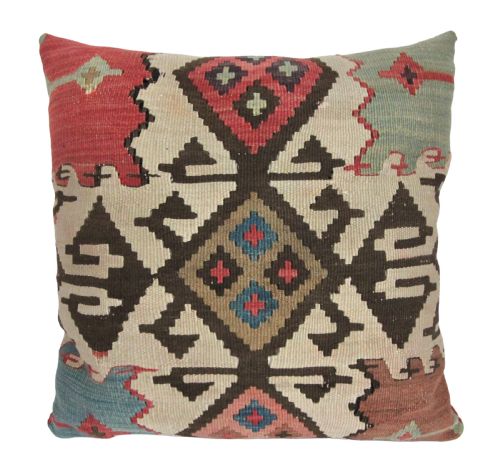

Turkish Kilim Throw Pillow
A turkish kilim throw pillow brings rich tribal texture and deep history into a room, offering genuine antique character.

Turkish Kilim Throw Pillow
A turkish kilim throw pillow utilises authentic fragments from flatwoven rugs and tribal bags, transformed into functional home accessories. These pieces originate from regional traditions such as Anatolian Tribal, Nomadic and Traditional Anatolian workshops.
The pieces available here draw from periods spanning the mid-nineteenth century up to the early twentieth century, specifically incorporating dates around 1850, 1870, 1900 and 1920. Buyers frequently encounter cushions fashioned from repurposed saddle bags and bag faces alongside general kilim fragments.
Forms listed on this page encompass cushions, throw cushions and combined cushions and pillows. Each object displays the distinctive flatweave structure characteristic of historic nomadic weaving traditions.
Materials and Construction
Makers constructed these textiles predominantly using natural wool and cotton fibres, spun by hand and dyed with traditional pigments before weaving. The reliance on wool provides the durable, stiff surface characteristic of authentic flatweaves.
Weavers utilised slit-tapestry techniques on traditional looms to create sharp geometric patterns without floating threads on the reverse. This labour-intensive method produces strong, reversible fabric well suited to eventual repurposing as decorative cushions.
Nomadic weavers packed their entire worldly goods into these very bags before they became scatter cushions.
Distinguishing Quality
Quality rests upon the tightness of the weave and the complexity of the original tribal patterns retained in the textile face. Finely beaten wool results in a denser, more resilient fabric that holds its structure effectively as a cushion.
The integrity of the historic textile fragment dictates the overall standard of the piece, particularly where original bag faces or saddle bag panels are preserved. Pieces retaining clear, uncompromised tribal motifs demonstrate superior decorative and historical value.
The Turkish Kilim Throw Pillow Glossary
- Kilim
- A flatwoven textile produced without a pile, created by tightly interlocking weft threads over warp threads. This technique defines the smooth surface of every cushion listed.
- Anatolian
- Pertaining to the historic region of Anatolia, encompassing modern-day Turkey, known for distinct regional weaving styles. Pieces from this area display specific tribal motifs.
- Saddle bag
- A utilitarian nomadic container woven in pairs to carry belongings on pack animals. Fragments of these functional items frequently supply the textile face for decorative cushions.
- Bag face
- The decorative front panel of a tribal bag, separated and repurposed for display due to its intricate pattern work. These panels form a major category of cushion materials.
Turkish Kilim Throw Pillow: Frequently Asked Questions
How are these cushions made?
Makers repurpose historic flatwoven textiles, specifically wool and cotton rugs and bag faces, into decorative cushion covers.
Artisans cut and stitch these antique fragments together, often backing them with sturdy cotton fabric to create functional home accessories.
What periods do they date from?
The pieces listed on this page span the mid-nineteenth century through the early twentieth century.
Specific examples originate from production dates recorded around 1850, 1870, 1900 and 1920.
How do I care for an antique cushion?
Protect antique wool and cotton textiles by keeping them out of direct sunlight to prevent fading of natural dyes.
Professional dry cleaning is recommended for historic fabrics to maintain the integrity of the vintage weave.
What is a bag face cushion?
A bag face cushion incorporates the decorative front panel of a nomadic storage bag rather than a standard rug fragment.
These panels typically feature more concentrated tribal patterns and older, finer wool work than general flatweaves.