






Flatweave Kilim Cushion
A flatweave kilim cushion brings nomadic woolwork and tribal geometric patterns directly into a modern interior.
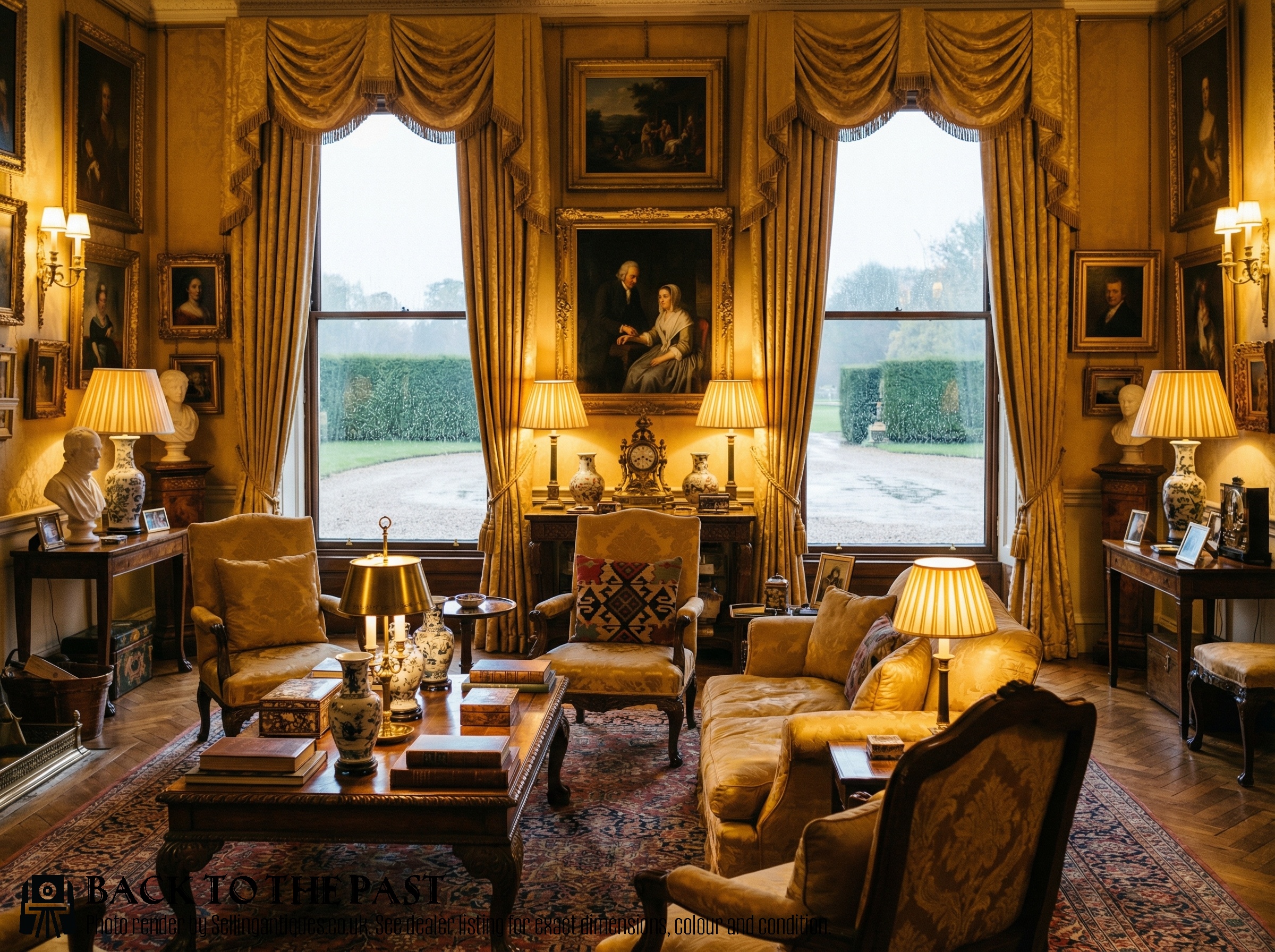
Flatweave Kilim Cushion
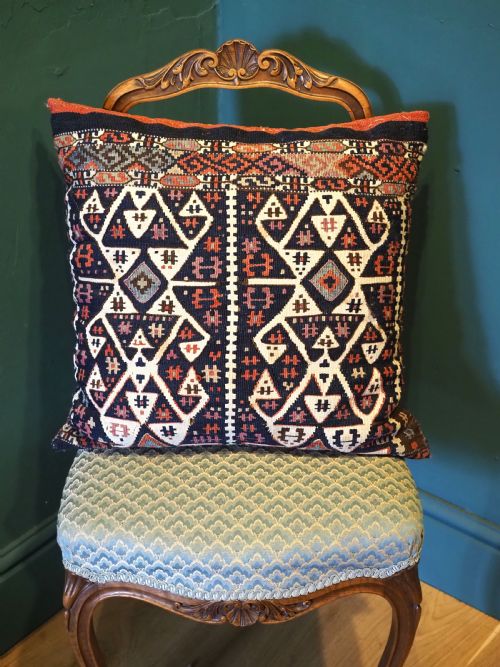
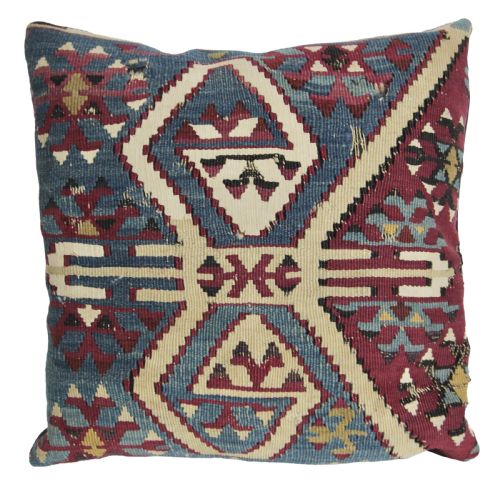
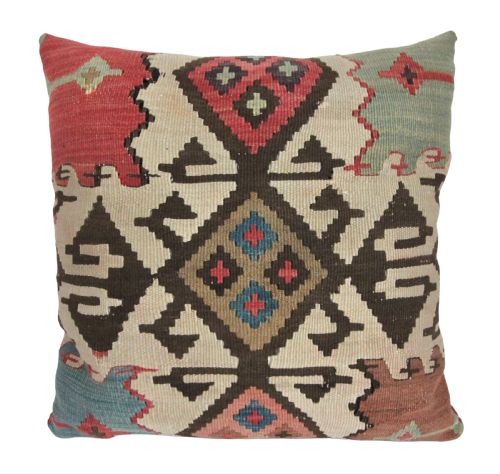
A flatweave kilim cushion is constructed from antique tribal textiles, repurposed storage bags, and saddle bags originating from Anatolia and Persia. You will most frequently encounter pieces fashioned from nineteenth and early twentieth century bag faces, including items designated as tacheh, mafrash, and torba.
The aesthetic is distinctly tribal and nomadic, drawing upon Anatolian, Persian, Turkmen, and Kurdish traditions. These textiles bring rich geometric patterns and banded designs into domestic spaces as decorative floor or sofa cushions.
How these textiles were constructed
The primary materials recorded are wool, hand-spun wool, cotton, and goat hair, dyed using natural colorants. Artisans utilised flatweave techniques without pile, creating durable surfaces suitable for utility and travel.
Many items incorporate original backs, tassels, and weft work design from their previous existence as storage containers or saddlebags. The weaving traditions span specific tribal groups across Western Persia, Azerbaijan, and Central Asia.
Listings span periods from the mid nineteenth century through to the early twentieth century, featuring wool, cotton, and natural dyes.
What separates examples in quality
Quality rests upon the integrity of the original flatweave textile and the subtlety of the natural dyes used in the wool. Intricacy of banded weft work and the survival of original backs or tassels distinguish finer examples.
The condition and authenticity of the tribal bag face dictate the overall character of the piece. Superior items retain the structural tightness of the hand-spun wool and the distinct regional iconography of their nomadic makers.
The Flatweave Kilim Cushion Glossary
- Flatweave
- A textile produced without knotted pile by interweaving warp and weft threads. This creates a flat, durable fabric typical of nomadic rugs and utilitarian sacks.
- Kilim
- A tapestry-woven carpet or rug originating from the Balkans to Pakistan. These textiles form the main body of material utilised for these cushions.
- Torba
- A small Turkmen storage bag or wall hanging. Examples often feature banded weft work designs.
- Mafrash
- A large rectangular storage sack used by nomads for bedding and household goods. The panels are frequently repurposed into cushions.
- Tacheh
- A traditional wheat sack or grain bag woven by tribal groups such as the Bakhtiari and Luri. They display robust geometric patterns suited to heavy use.
Flatweave Kilim Cushion: Frequently Asked Questions
How were antique kilim cushions used originally?
The materials forming these cushions served practical purposes in nomadic daily life. They functioned as saddlebags, grain sacks, and storage containers for bedding and household possessions.
Tribal groups transported belongings across Anatolia and Persia using these durable flatweave containers. Over time, surviving textile panels are converted into modern cushions.
How do I care for a wool kilim cushion?
Wool and natural dye textiles require gentle maintenance to preserve the integrity of the hand-spun fibres. Professional specialist cleaning is recommended for antique materials.
Keep cushions away from direct sunlight to prevent fading of the natural dyes. Gentle vacuuming without a rotating brush helps remove surface dust.
How can I tell different tribal designs apart?
Tribal origins are identified through specific weaving structures, wool types, and geometric motifs. Persian examples often display distinctive banded weft work from groups like the Bakhtiari or Qashqa'i.
Turkmen and Uzbek pieces present alternative colour palettes and storage bag formats such as the torba or mafrash. Each region maintains a recognisable vocabulary of symbols.