

9ct Gold Clasp Necklace
A 9ct gold clasp necklace brings together durable precious metal and delicate beadwork, offering a secure fastening alongside fine gem or metal design.
9ct Gold Clasp Necklace
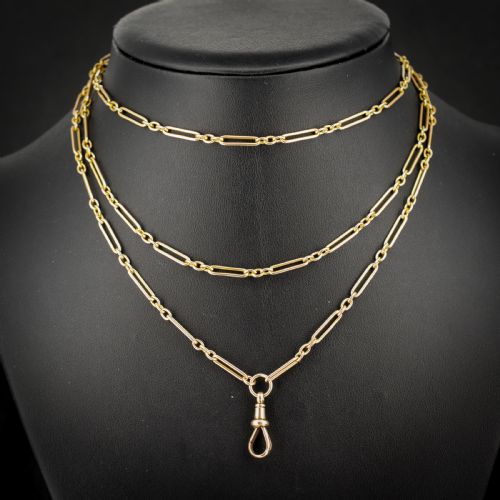
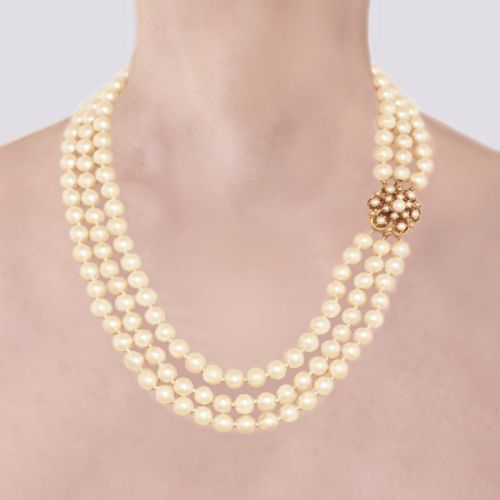
A 9ct gold clasp necklace spans multiple periods, featuring heavily in Victorian, Edwardian, Art Deco, and Mid-Century designs. Buyers searching this phrase encounter two distinct styles: continuous metal link chains and multi-strand pearl or bead strands fastened with a secure metal box, barrel, or dog clip mechanism.
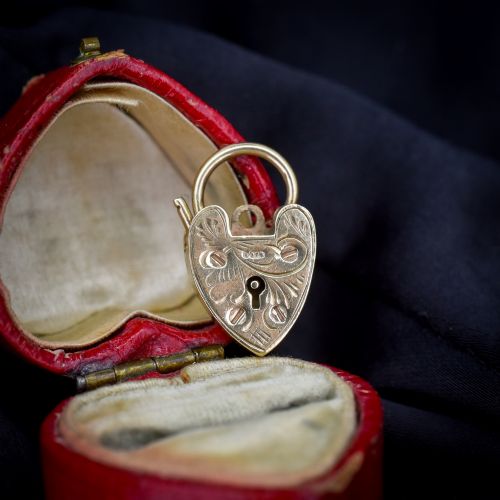
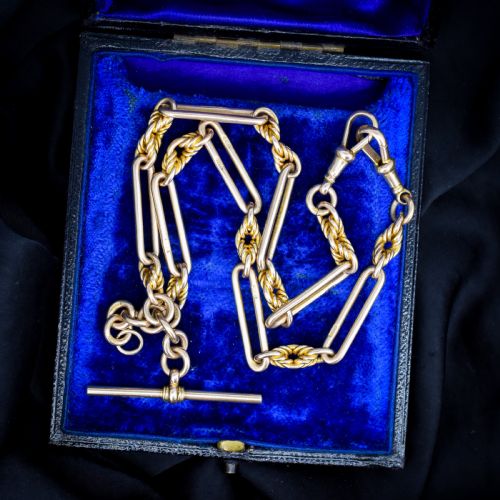
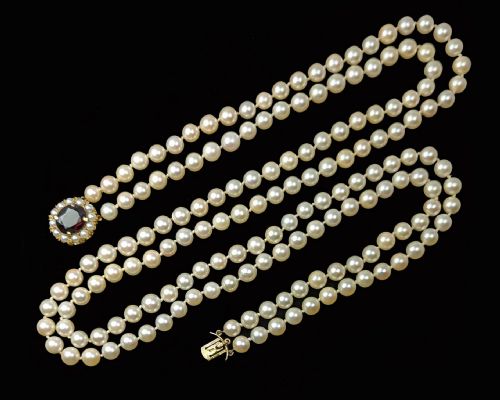
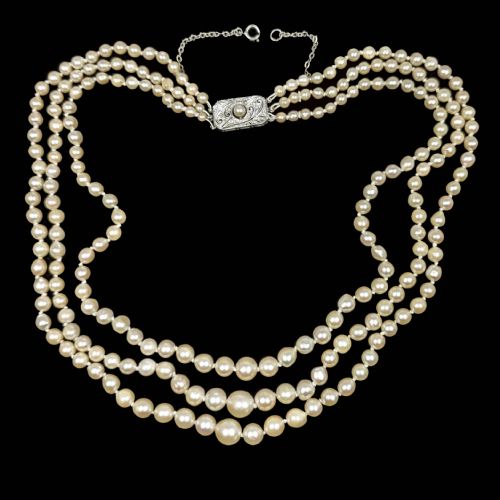
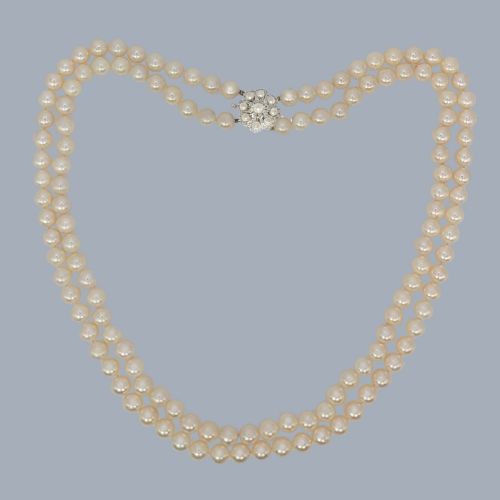
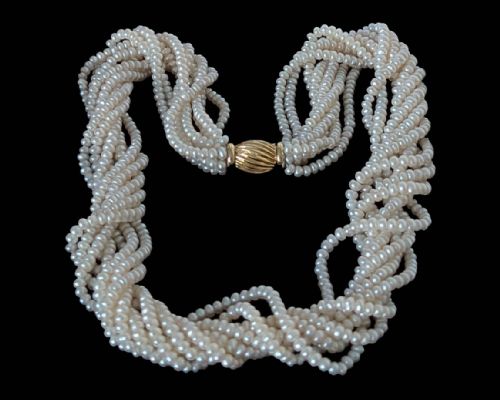
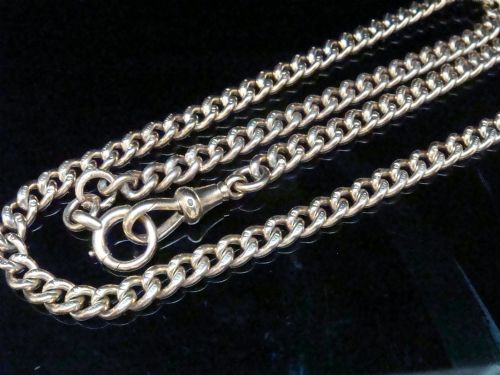
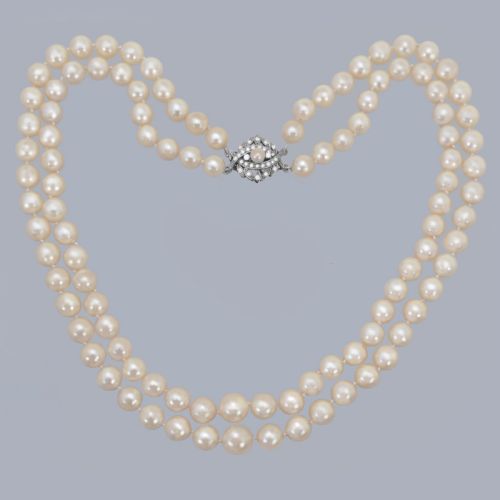
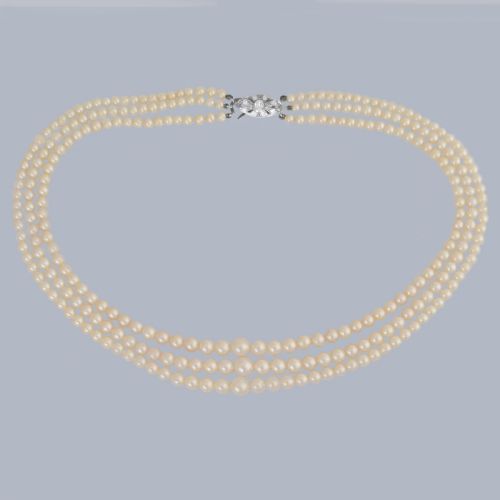
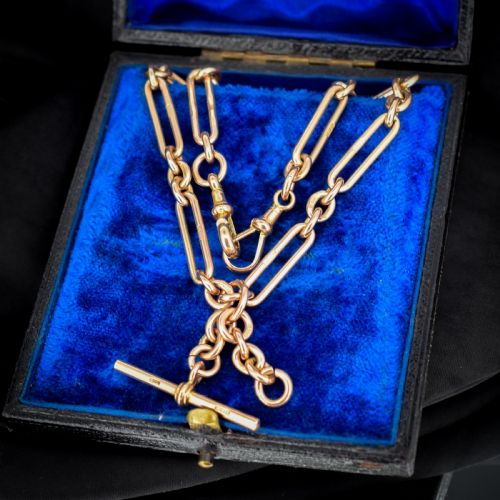
The pearl strand variations often incorporate multiple rows of cultured or freshwater pearls paired with gemstone-set clasps utilising rubies, sapphires, garnets, or diamonds. Metal chain versions include heavier albert links, trombone links, and engraved padlock charms originating from the nineteenth and early twentieth centuries.
Origins range from early British hallmarked pieces to mid-century creations by established makers like Cropp and Farr. These necklaces serve as both practical everyday wear and ornate evening adornment depending on the strand configuration and metal colour used.
How They Were Made
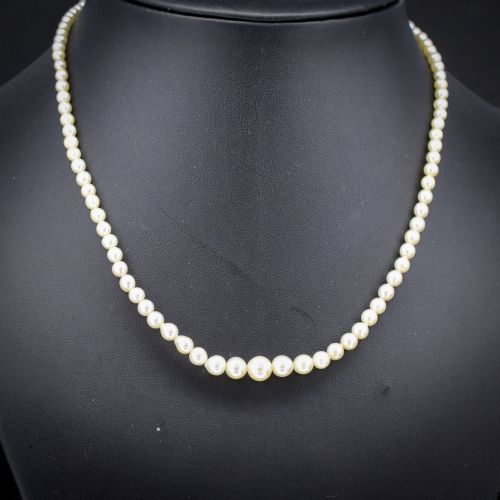
Construction relies on 9ct yellow, rose, or white gold combined with natural, cultured, or freshwater pearls threaded on silk or synthetic cord. Many multi-strand pearl necklaces utilise hand-knotted silk thread between individual beads to prevent friction and loss.
Clasps are engineered using traditional box, barrel, or swivel dog clip mechanisms, frequently cast or engraved and set with precious gemstones like diamonds, amethysts, and sapphires. Metal chains feature individual links - such as paper, cable, curb, or trombone patterns - soldered and hallmarked for purity.
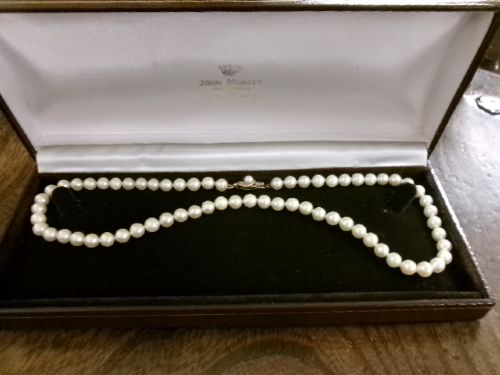
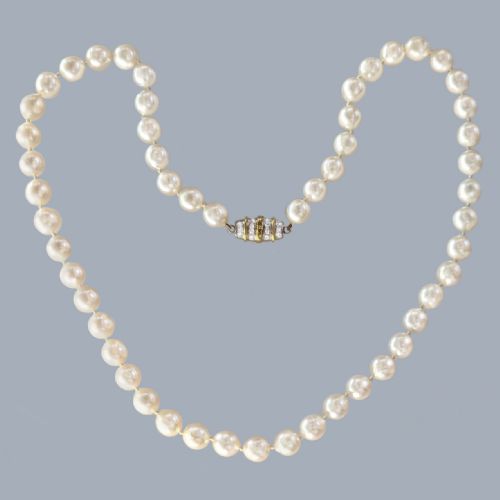
Listings feature 9ct gold clasps paired with both freshwater pearls and gemstone clusters across Victorian and Mid-Century periods.
What Varies In Quality
Quality differences emerge in the uniformity and lustre of the pearls, the complexity of the gold clasp mounting, and the presence of official hallmarks. Multi-strand configurations with matched gemstone clusters demand higher precision in assembly than single base metal or hollow gold links.
The integrity of the stringing materials influences longevity, with hand-knotted silk threads representing higher standard maintenance compared to degraded original cords. Goldsmithing detail, such as hand-engraved links or securely flush-set diamonds within the clasp, separates standard production pieces from finer items.
Cropp and Farr
The 9ct Gold Clasp Necklace Glossary
- Albert Chain
- A short chain originally designed for pocket watches, often repurposed as a necklace format with dog clip fasteners.
- Cultured Pearl
- Pearls formed through the introduction of an irritant into an oyster, widely utilised in mid-century multi-strand necklace designs.
- Dog Clip
- A spring-loaded swivel fastening mechanism commonly found on Victorian and Edwardian gold chains and charm pendants.
- Trombone Link
- An elongated geometric gold link pattern characteristic of antique watch chains and necklaces.
- Hallmark
- An official stamp applied to precious metals indicating the purity standard, assay office, and year of manufacture.
9ct Gold Clasp Necklace: Frequently Asked Questions
How do I secure a barrel clasp?
Barrel clasps screw together or push and click into a cylindrical housing to ensure the strand remains locked during wear.
Checking the threading and internal screw thread prevents accidental loosening while moving.
Are pearl strands hand knotted?
Many vintage pearl necklaces feature individual knots tied in the silk thread between every single pearl.
This technique stops pearls from rubbing against one another and prevents complete bead loss if the strand breaks.
What is 9ct gold?
Nine-carat gold contains thirty-seven point five percent pure gold alloyed with other metals like silver and copper for increased durability.
This alloy composition provides a harder metal suitable for daily necklace wear and secure gemstone settings.
How do I date an antique chain?
Dating relies on matching hallmarks, link styles, and clasp mechanisms to known historical periods such as the Victorian or Edwardian eras.
Assay office stamps and registration marks often pinpoint the exact year of manufacture.